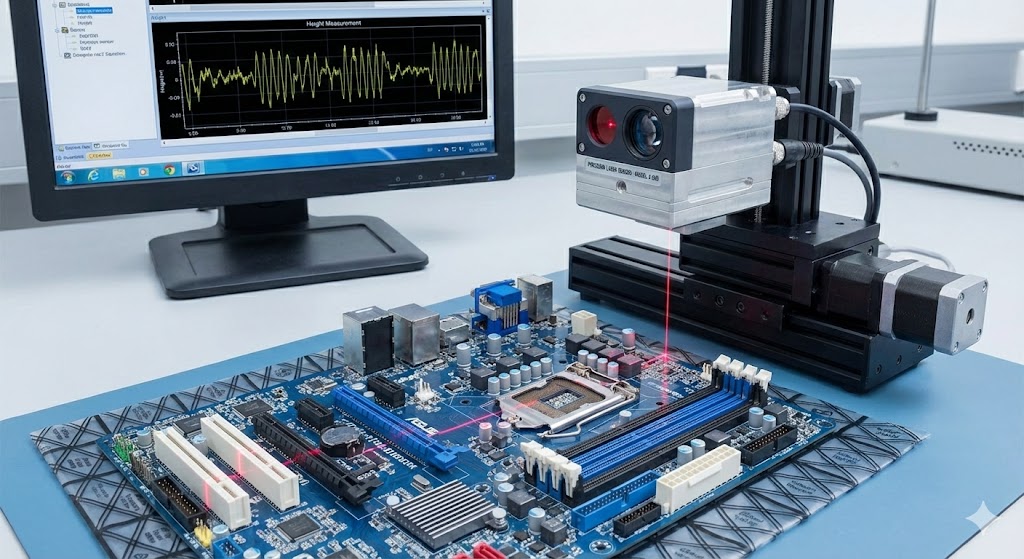
Laser sensor gratings represent a critical advancement in precision measurement and detection technologies widely utilized across industrial automation robotics and quality control systems. These devices operate based on the principle of diffraction where a laser beam interacts with a periodic grating structure to generate interference patterns that encode positional or displacement information. The core components include a laser source a grating scale typically made of glass or metal with precisely etched lines and a photodetector array. As the grating moves relative to the sensor the diffracted light shifts creating sinusoidal signals that are processed to determine parameters such as position velocity or alignment with micron or even nanometer-level accuracy.
One of the primary advantages of laser sensor gratings is their exceptional resolution and repeatability. Unlike conventional optical sensors they are less susceptible to environmental factors like dust or minor obstructions due to the coherent nature of laser light. This makes them ideal for harsh manufacturing environments where reliability is paramount. Common applications include coordinate measuring machines CNC machine tools semiconductor wafer inspection and high-speed packaging lines. In robotics they provide real-time feedback for arm positioning ensuring precise movements in assembly tasks. Additionally in the field of metrology they enable non-contact measurement of surface profiles and thicknesses reducing wear and improving throughput.
When selecting a laser sensor grating several technical specifications must be considered. The grating pitch defined as the distance between adjacent lines directly influences resolution finer pitches yield higher precision but may require more sophisticated signal processing. The measurement range should align with the application needs from short-range micro-positioning to long-range scanning. Environmental robustness is another key factor including resistance to vibrations temperature fluctuations and contaminants. Modern designs often incorporate protective coatings and sealed housings to enhance durability. Signal output options such as analog voltage digital interfaces like SSI or Ethernet-based protocols should match the control system requirements.
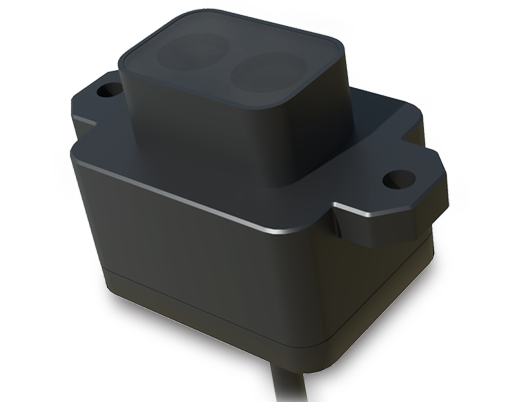
Recent innovations in laser sensor grating technology focus on miniaturization and integration with smart systems. For instance advancements in microfabrication allow for smaller grating scales without compromising accuracy enabling their use in compact devices like medical instruments or consumer electronics. The integration of artificial intelligence and IoT connectivity facilitates predictive maintenance where sensors monitor their own performance and alert operators to potential issues before failures occur. Furthermore the development of multi-axis gratings permits simultaneous measurement in multiple directions streamlining complex inspection processes.

Despite their benefits challenges remain particularly in cost and calibration. High-precision gratings involve expensive manufacturing processes which can be prohibitive for small-scale applications. Calibration requires specialized equipment and expertise to ensure long-term accuracy. However ongoing research in materials science and automated calibration techniques aims to reduce these barriers. As industries increasingly adopt automation and Industry 4.0 standards the demand for reliable high-performance laser sensor gratings is expected to grow driving further innovation in this field.
In summary laser sensor gratings are indispensable tools for modern engineering offering unparalleled precision in diverse applications. By understanding their operating principles and selection criteria engineers can optimize their use to enhance system performance and reliability. As technology evolves these sensors will continue to play a pivotal role in advancing automation and measurement capabilities across sectors.