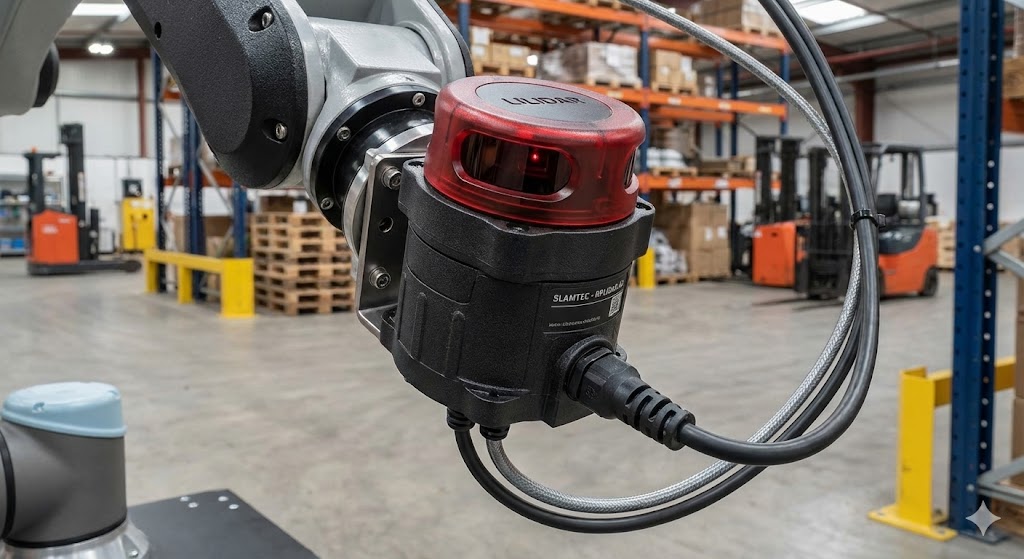
In the realm of precision measurement and structural monitoring, the laser inclinometer stands as a pivotal instrument. This device, fundamentally an advanced type of tilt sensor, utilizes a laser beam as its primary reference to measure angles of inclination or declination with exceptional accuracy. Unlike traditional bubble levels or mechanical inclinometers, laser-based systems offer non-contact measurement, high resolution, and the ability to transmit data digitally for integration into broader monitoring networks. The core principle involves projecting a stable laser line or dot onto a target surface. An internal sensor, often a position-sensitive detector or a sophisticated CMOS/CCD array, then precisely calculates the angle by analyzing the displacement of the laser point relative to a calibrated zero position. This method eliminates mechanical wear and provides real-time, dynamic readings crucial for modern industrial applications.
The applications of laser inclinometers are vast and critical across multiple sectors. In civil engineering and geotechnical monitoring, they are indispensable for assessing the settlement and tilt of dams, bridges, skyscrapers, and historical structures. Early detection of minute angular shifts can prevent catastrophic failures. Within the manufacturing and automation industry, these sensors ensure the precise leveling of heavy machinery, robotic arms, and assembly platforms, directly impacting product quality and operational safety. The aerospace sector relies on them for aligning aircraft components and testing platforms. Furthermore, in the burgeoning field of autonomous vehicles and advanced robotics, laser inclinometers contribute to stability control and navigation systems by providing accurate pitch and roll data.
Selecting the appropriate laser inclinometer requires careful consideration of several technical parameters. Measurement range is primary; some models are designed for minute deviations (e.g., ±1° to ±10°), while others cover a full 360° range. Accuracy and resolution are paramount, typically specified in arc-seconds or microradians. Environmental robustness is another key factor. Industrial-grade sensors must possess high Ingress Protection (IP) ratings to withstand dust, moisture, and often extreme temperatures. Vibration resistance and electromagnetic compatibility are essential for operation near heavy machinery. The output interface—whether analog (4-20mA, 0-10V) or digital (RS-485, CAN bus, Ethernet/IP)—must be compatible with the existing data acquisition system. Finally, the choice between a single-axis and a dual-axis model depends on whether measurement is needed in one plane or two perpendicular planes simultaneously.

Installation and calibration are critical steps to ensure data integrity. The sensor must be rigidly mounted to the structure or machine being monitored, ensuring its base is aligned with the measurement plane. Any mounting surface imperfection can introduce error. Initial calibration, often performed at the factory, sets the zero-reference point. However, field verification is recommended, especially after installation or transportation. Modern units frequently feature software tools for remote calibration and configuration, streamlining maintenance. Users must also consider the target surface for the laser; a highly reflective or absorbent surface may require a retro-reflective target or specific surface treatment to ensure a clear, measurable signal.
Looking ahead, the integration of laser inclinometers with the Internet of Things (IoT) and cloud analytics represents the next frontier. Wireless-enabled sensors can form dense, real-time monitoring networks, feeding data into predictive maintenance algorithms. This evolution transforms inclinometers from standalone measurement tools into intelligent nodes within a digital ecosystem, enabling proactive decision-making and enhancing overall system resilience. As industries continue to demand higher precision, reliability, and connectivity, the laser inclinometer will undoubtedly evolve, solidifying its role as a cornerstone technology for ensuring stability, safety, and efficiency in an increasingly automated world.