In the evolving landscape of automotive electronics, the transition from traditional mechanical switches to solid-state, non-contact solutions represents a significant leap in reliability and functionality. Among these advancements, the proximity sensor brake switch has emerged as a critical component, fundamentally changing how a vehicle's electronic control units (ECUs) interpret brake pedal actuation. Unlike conventional plunger-style switches that rely on physical contact and are prone to wear, bounce, and failure, proximity sensors operate on the principle of detecting the presence or absence of a metallic target—in this case, a small flag or actuator on the brake pedal arm—without any physical interaction.
The core technology typically employed is the inductive proximity sensor. This sensor generates a high-frequency electromagnetic field from its active face. When a metallic target enters this field, eddy currents are induced within the target, causing a change in the sensor's internal oscillation amplitude. This change is detected by the sensor's circuitry, which subsequently switches its output state. For a brake switch application, this means a clean, bounce-free digital signal indicating "brake pedal pressed" or "brake pedal released" is sent to the vehicle's network, most commonly via a Controller Area Network (CAN) bus or a direct hardwired connection.
The advantages of this approach are substantial. First and foremost is durability. With no moving parts to wear out and no contacts to arc or corrode, the lifespan of a proximity sensor brake switch often exceeds that of the vehicle itself. This directly translates to reduced warranty claims and improved long-term reliability. Secondly, the signal quality is superior. The digital output is immune to the contact bounce that plagues mechanical switches, ensuring a single, definitive state change. This clean signal is crucial for modern safety and convenience systems. For instance, the brake transmission shift interlock (BTSI), electronic stability control (ESC), torque management in hybrid/electric vehicles, and the instant activation of brake lights all benefit from a precise and immediate signal.
Furthermore, the programmability and diagnostic capabilities of smart proximity sensors add another layer of sophistication. Many modern versions can be configured for different sensing distances or output logic (normally open/normally closed). They can also communicate diagnostic data, such as reporting a short circuit to ground or battery voltage, an open circuit, or even a fault within the sensor itself. This aligns perfectly with the automotive industry's push towards enhanced diagnostics and prognostics, allowing for pre-emptive maintenance and clearer troubleshooting.
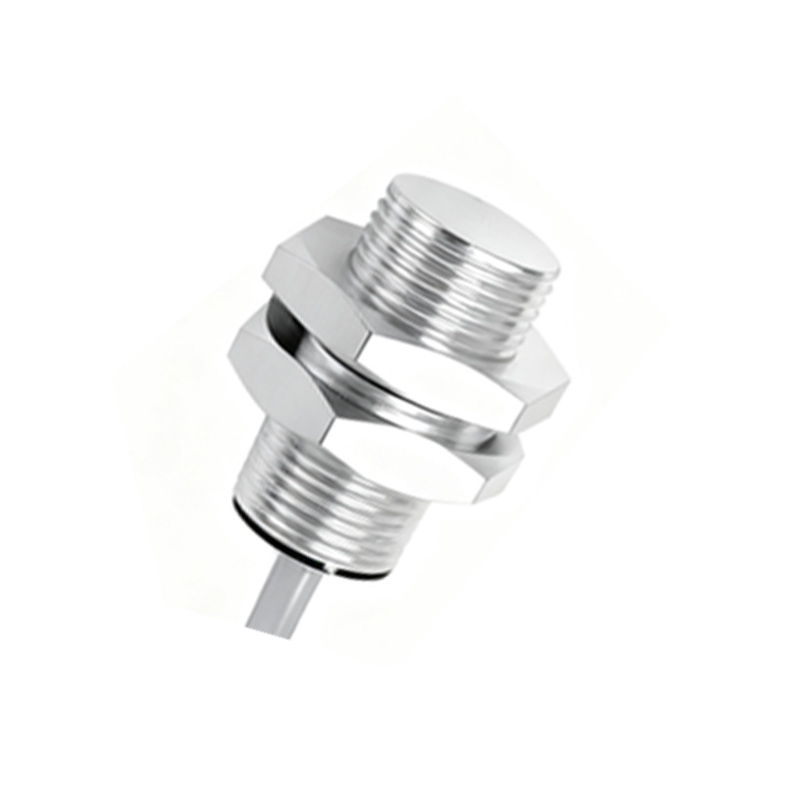
Integration into the vehicle's architecture is a key design consideration. The sensor is typically mounted on a fixed bracket near the brake pedal assembly. A small metallic target is attached to the pedal arm. The alignment and air gap between the sensor and target are critical parameters specified by the manufacturer; deviations can lead to inconsistent operation. The sensor housing is designed to withstand the harsh under-dash environment, including temperature extremes, vibration, humidity, and exposure to dust or cleaning chemicals. Connectors are sealed to IP6K9K or similar standards to prevent moisture ingress.
From a functional safety perspective, as defined by standards like ISO 26262, the brake switch is often classified as a safety-critical item. This has led to the development of dual-channel or redundant proximity sensor designs. These systems employ two independent sensing elements in one housing, providing two separate signals to different ECUs. This redundancy allows the system to perform plausibility checks and maintain a fail-operational or at least a fail-safe state in case of a single sensor failure, a vital feature for brake light functionality and emerging autonomous driving systems.
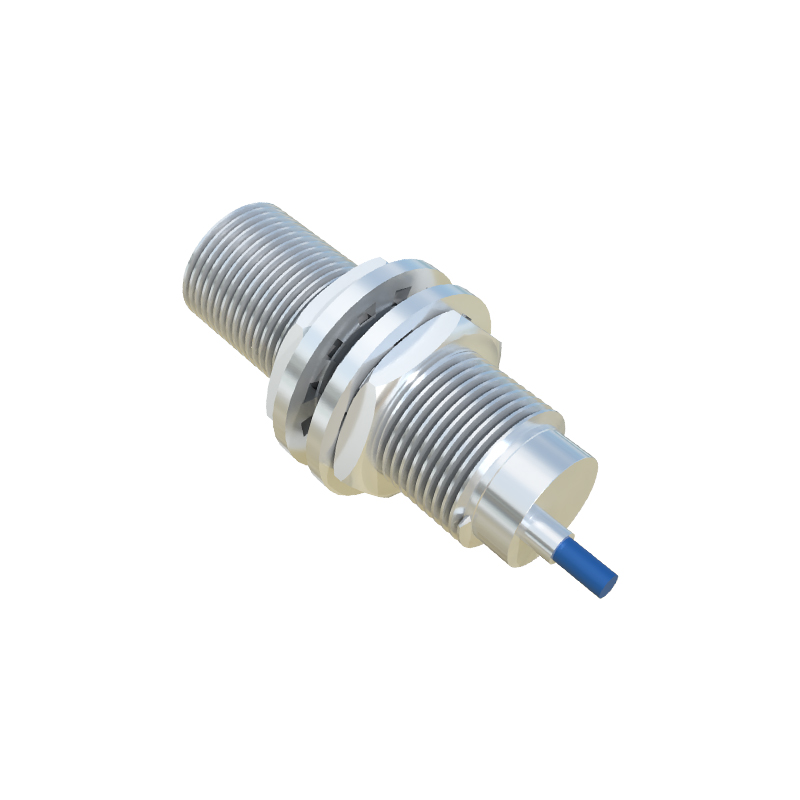
The installation and service procedures differ from mechanical switches. There is no mechanical adjustment for "play"; instead, technicians must ensure the specified air gap is achieved, often verified with a feeler gauge. Diagnosis involves using a scan tool to monitor the brake switch parameter identifier (PID) in the relevant ECU, observing the state change in real-time, and performing continuity and voltage checks on the wiring harness, rather than simply checking for a click.
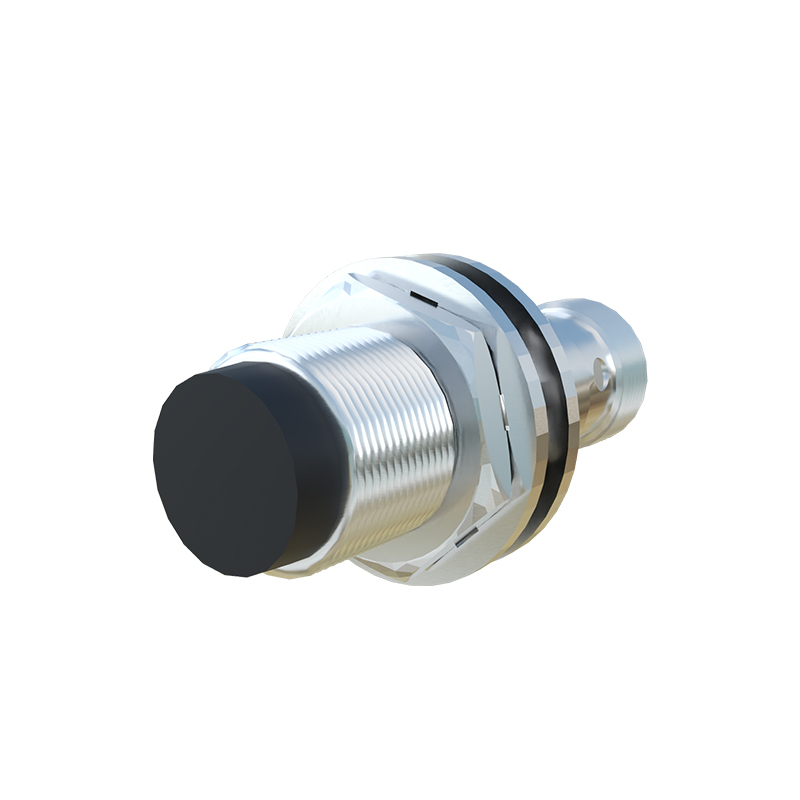
In conclusion, the proximity sensor brake switch is more than just a simple replacement for an old component. It is an enabling technology that provides the robust, high-fidelity digital signal required by today's complex, interconnected, and safety-focused vehicle systems. Its adoption reflects the broader industry shift towards mechatronics, where reliability, signal integrity, and diagnostic intelligence are paramount. As vehicles continue to evolve toward higher levels of electrification and automation, the role of such non-contact sensing solutions will only become more central to vehicle operation and safety.