Speed measurement laser sensors represent a critical technology in modern industrial automation, offering non-contact, high-precision velocity and length measurement for a wide range of moving objects. These sensors operate on the principle of laser Doppler velocimetry (LDV) or, in some configurations, time-of-flight and correlation methods. Essentially, a laser diode emits a coherent light beam toward a target surface. The moving surface scatters the light, causing a frequency shift proportional to the target's velocity—known as the Doppler shift. The sensor's photodetector and sophisticated signal processor analyze this shifted light, extracting precise speed data with exceptional accuracy, often within ±0.05% of the measured value.
The advantages of using laser sensors for speed measurement are substantial. Unlike traditional contact methods like tachometers or encoders, they eliminate mechanical wear, slippage errors, and the need for physical attachment. This makes them ideal for delicate, hot, or inaccessible surfaces, such as in metal processing, paper manufacturing, textile production, and printing. For instance, in steel rolling mills, laser sensors accurately measure the velocity of red-hot strips without any contact, ensuring consistent product quality and process control. In web handling for plastics or films, they monitor line speed to prevent stretching or tearing.
Key performance specifications include measurement range, resolution, response time, and stand-off distance. Modern sensors can measure speeds from a few mm/s to over 100 m/s, with response times in the microsecond range, enabling real-time feedback for high-speed control loops. The choice of sensor depends on the application's surface characteristics; rough surfaces generally provide better signal reflection than glossy or transparent ones, though advanced models with adaptive algorithms can handle challenging materials.
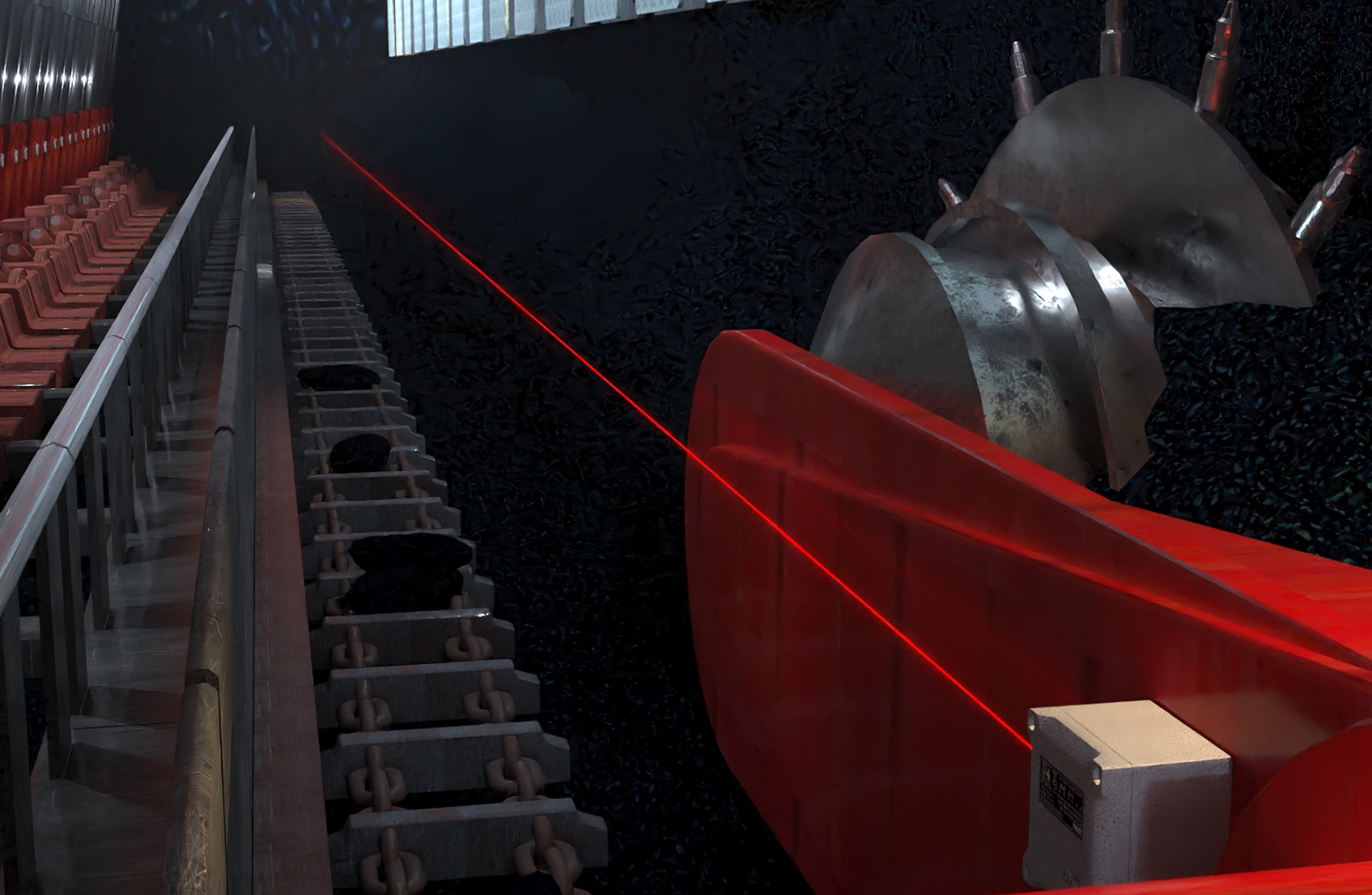
Installation and alignment are crucial for optimal performance. The sensor must be positioned to ensure the laser beam is perpendicular to the direction of motion, minimizing cosine error. Environmental factors like dust, vibration, and ambient light can interfere with measurements, necessitating proper housing or models with integrated compensation features. Regular calibration against a known reference is recommended to maintain long-term accuracy.

Integration into industrial systems is straightforward via analog outputs (e.g., 4-20 mA, 0-10 V) or digital interfaces like Ethernet/IP, PROFINET, or IO-Link. This allows seamless connectivity with PLCs, drives, and SCADA systems for automated speed regulation, length counting, or synchronization of multiple production lines. The data can also be used for predictive maintenance, detecting anomalies like slippage or unexpected speed variations that indicate equipment wear.
Looking ahead, advancements in laser diode technology and digital signal processing are driving trends toward smaller, more robust, and intelligent sensors. Features like integrated web interfaces for configuration, onboard data logging, and AI-based diagnostics are becoming standard. As Industry 4.0 evolves, these sensors will play a pivotal role in creating fully connected, data-driven manufacturing environments where precise speed measurement is foundational to efficiency and quality.
In summary, speed measurement laser sensors are indispensable tools for enhancing productivity, ensuring product consistency, and enabling advanced automation. Their non-contact nature, coupled with high precision and reliability, makes them a superior choice for demanding industrial applications, from heavy machinery to delicate material processing. Selecting the right sensor and implementing it correctly can lead to significant improvements in process control and operational cost savings.