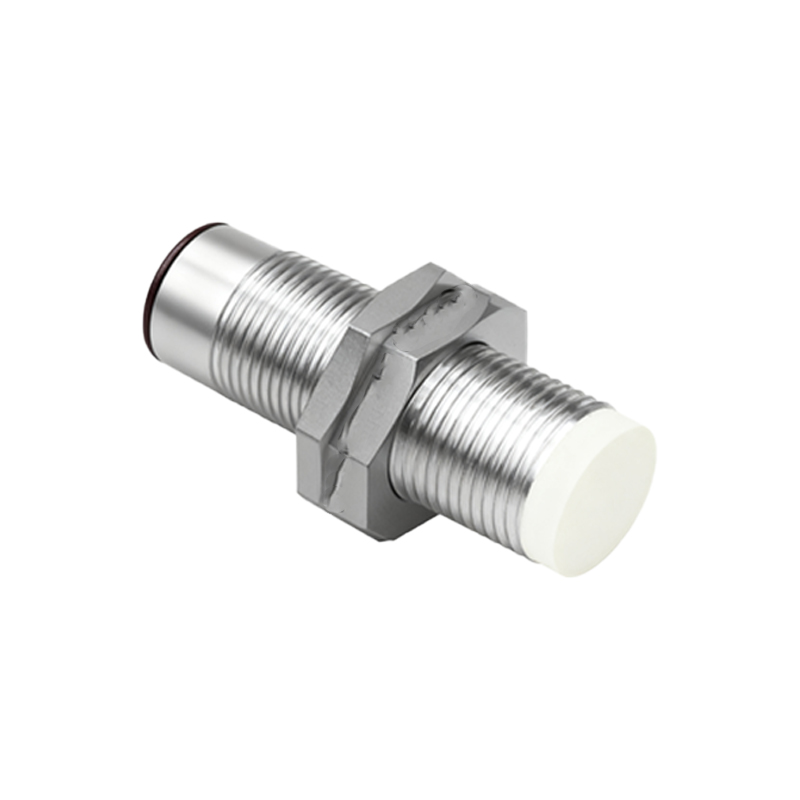
In the dynamic landscape of industrial automation and smart manufacturing, proximity sensors have emerged as critical components for enabling precise, non-contact detection of objects. Among these, circular proximity sensors, often referred to as ring-shaped or annular sensors, represent a specialized segment that is gaining significant traction. These sensors are designed with a hollow, circular structure, allowing objects to pass through their center, making them ideal for applications such as counting, positioning, and inspection on production lines. This article delves into the advancements driven by leading circular proximity sensor companies, exploring their technological innovations, market strategies, and the evolving industry demands they address.
The core technology behind circular proximity sensors typically involves inductive, capacitive, or photoelectric principles. Inductive variants are prevalent for detecting metallic objects, leveraging electromagnetic fields to sense presence without physical contact. Companies in this niche have focused on enhancing sensitivity and reliability, even in harsh environments with dust, moisture, or temperature fluctuations. For instance, recent developments include sensors with integrated intelligence, such as IO-Link connectivity, which allows for real-time data exchange and predictive maintenance. This shift toward Industry 4.0 compatibility is a hallmark of progressive firms, enabling seamless integration into IoT ecosystems.
Market leaders in the circular proximity sensor domain often distinguish themselves through customization and application-specific solutions. A prominent company might offer sensors with varying diameters, from a few millimeters to over a meter, tailored to different industrial needs—from miniature electronics assembly to large-scale automotive manufacturing. These firms invest heavily in R&D to improve response times, reduce energy consumption, and enhance durability. For example, some have introduced sensors with robust housings made from stainless steel or specialized polymers, ensuring longevity in corrosive or high-vibration settings. Additionally, advancements in sensing ranges and noise immunity have expanded their use in precision-critical sectors like pharmaceuticals and food processing, where hygiene and accuracy are paramount.
The competitive landscape is shaped by both established multinational corporations and agile specialized manufacturers. Larger entities often leverage their broad portfolios to provide integrated automation packages, while smaller, niche companies excel in rapid innovation and customer-centric designs. A key trend is the emphasis on sustainability, with companies developing energy-efficient sensors that contribute to greener operations. Moreover, the rise of collaborative robotics (cobots) has spurred demand for compact, high-performance circular sensors that ensure safe human-machine interaction. Companies are responding by creating sensors with enhanced safety features, such as fail-safe mechanisms and compliance with international standards like IEC 60947-5-2.
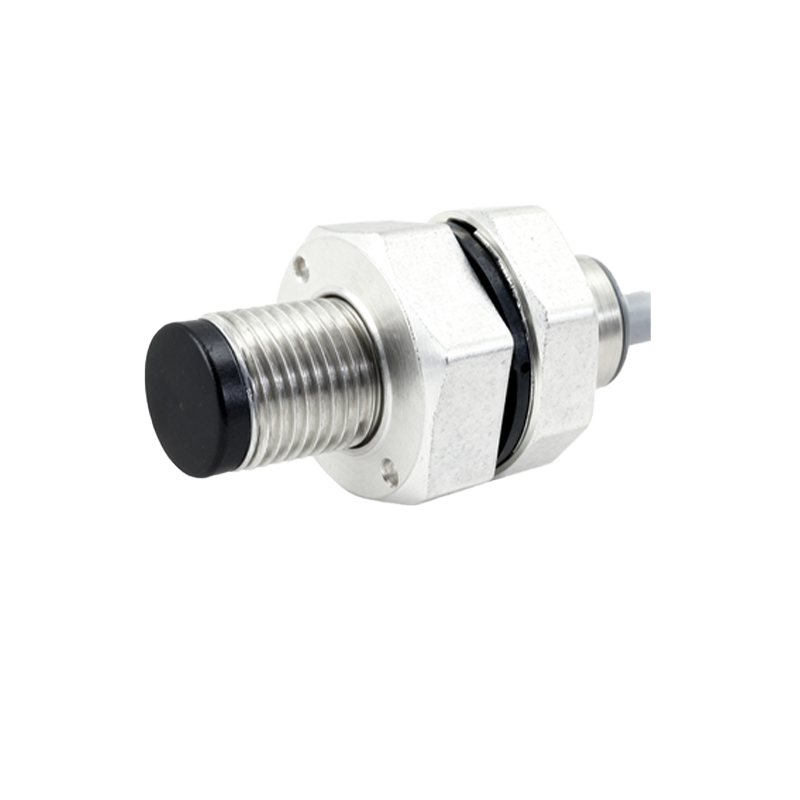
Looking ahead, the future of circular proximity sensor companies appears intertwined with advancements in artificial intelligence and machine learning. Predictive analytics enabled by sensor data can optimize production flows and minimize downtime. Furthermore, the expansion into emerging markets, such as renewable energy and electric vehicle manufacturing, presents new opportunities. Companies that prioritize adaptability, digital transformation, and global supply chain resilience are poised to lead. In conclusion, the evolution of circular proximity sensors reflects a broader movement toward smarter, more efficient industrial systems, driven by firms committed to innovation and quality. As automation continues to permeate diverse sectors, these sensors will remain indispensable, with their developers at the forefront of technological progress.