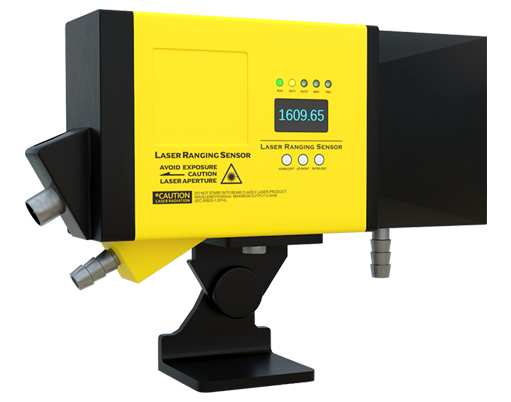
In today's industrial landscape, air quality monitoring has become a critical component of workplace safety, environmental compliance, and process optimization. Among the various technologies available for detecting airborne particulate matter, laser air dust sensors have emerged as a leading solution due to their precision, reliability, and real-time capabilities. This article delves into the operational principles, key components, and diverse applications of these advanced sensors in industrial settings.
At the core of a laser air dust sensor is the principle of light scattering, specifically known as laser diffraction or light scattering particle analysis. The sensor employs a focused laser beam, typically from a low-power diode laser, which passes through a sampling chamber where ambient air is continuously drawn. As dust particles and other aerosols enter the laser's path, they scatter the light in various directions. The scattered light is then collected by a photodetector, usually positioned at a specific angle (such as 90 degrees) to optimize sensitivity to particle size. The intensity of the scattered light is proportional to the particle concentration and size, allowing the sensor to calculate the mass concentration of particulate matter, often categorized as PM1.0, PM2.5, and PM10.
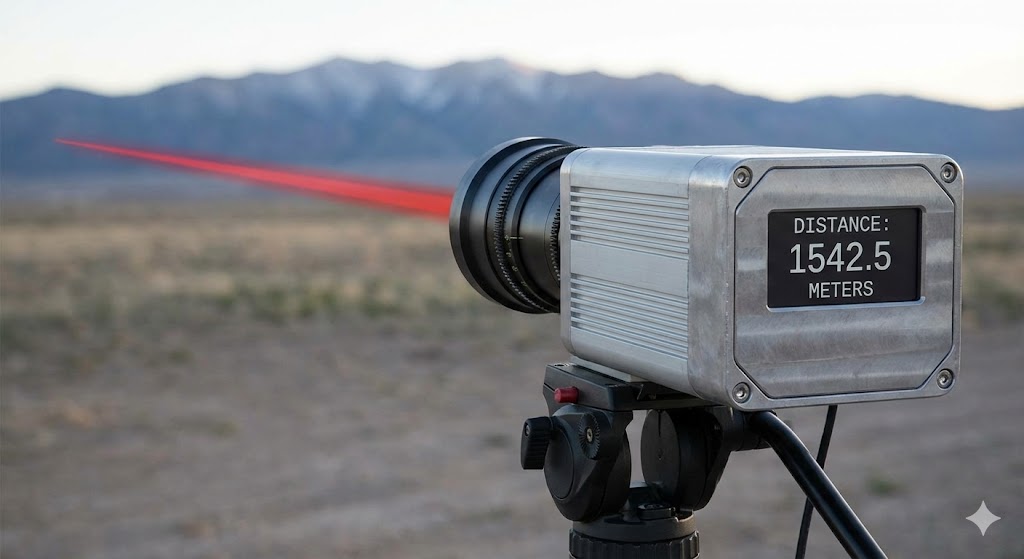
Key components of a high-performance laser dust sensor include the laser emitter, optical chamber, photodetector, airflow system, and signal processing unit. The optical chamber is meticulously designed to minimize background noise and prevent internal reflections that could interfere with measurements. A small fan or pump ensures a consistent flow of air through the chamber, enabling continuous monitoring. Advanced models incorporate temperature and humidity sensors to compensate for environmental factors that might affect readings, thereby enhancing accuracy. The signal processing unit converts the analog photodetector signals into digital data, often using algorithms to differentiate particle sizes and filter out electronic noise.
One of the standout features of laser air dust sensors is their ability to provide real-time data with high resolution and fast response times. Unlike traditional gravimetric methods that require laboratory analysis, these sensors deliver instant feedback, which is crucial for dynamic industrial environments. They are capable of detecting particles as small as 0.1 micrometers, making them suitable for monitoring fine dust, smoke, and even some fumes. This sensitivity is particularly valuable in industries where submicron particles pose health risks or can contaminate products.
The applications of laser air dust sensors span a wide range of industries. In manufacturing facilities, they are used to monitor dust levels in workshops, ensuring compliance with occupational exposure limits set by agencies like OSHA. For example, in woodworking or metal grinding operations, excessive dust can lead to respiratory issues and explosion hazards; real-time sensors allow for immediate ventilation adjustments or shutdowns if thresholds are exceeded. In cleanrooms for semiconductor or pharmaceutical production, these sensors help maintain ultra-low particulate counts to prevent defects in sensitive products. Additionally, they play a vital role in environmental monitoring stations, tracking airborne pollution from construction sites or industrial emissions to support regulatory reporting and public health initiatives.

Recent advancements have further expanded the capabilities of laser dust sensors. Integration with IoT platforms enables remote monitoring and data logging, facilitating predictive maintenance and trend analysis. Some sensors now feature modular designs, allowing for easy calibration and component replacement in the field. Energy-efficient models with low power consumption are also available, making them suitable for battery-operated or portable devices. However, challenges remain, such as potential interference from high humidity or oil mist, which can cause false readings. Manufacturers address these issues through improved housing materials, advanced algorithms, and regular calibration protocols.
In conclusion, laser air dust sensors represent a sophisticated and essential tool for modern industrial air quality management. Their reliance on laser scattering technology provides accurate, real-time insights into particulate concentrations, supporting safety, efficiency, and regulatory adherence. As industries continue to prioritize sustainable and healthy workplaces, the adoption of these sensors is expected to grow, driven by ongoing innovations in sensitivity, connectivity, and durability. Engineers and facility managers should consider factors like particle size range, environmental conditions, and integration capabilities when selecting a sensor to ensure optimal performance for their specific applications.