Paper proximity sensors are critical components in modern industrial automation, particularly within printing, packaging, and paper converting machinery. These sensors detect the presence, absence, or position of paper sheets, rolls, or stacks without physical contact, ensuring precise process control and preventing costly jams or misfeeds. Unlike mechanical limit switches, proximity sensors offer non-contact operation, leading to reduced wear, higher reliability, and minimal maintenance.
The core technology behind paper proximity sensors often involves inductive, capacitive, or optical principles. Inductive sensors are ideal for detecting metallic elements in paper handling, such as staples or foil, but are generally unsuitable for plain paper. Capacitive sensors, however, excel in direct paper detection. They function by measuring changes in an electrostatic field. When paper—a dielectric material—enters the sensing field, it alters the capacitance, triggering the sensor output. This makes capacitive sensors highly effective for detecting various paper grades, thicknesses, and even through certain non-metallic barriers. Optical sensors, including through-beam and reflective types, use light beams interrupted or reflected by the paper. They offer high precision for edge detection or counting thin sheets but can be sensitive to ambient light, dust, or color variations.
Selecting the appropriate sensor requires careful analysis of the application. Key parameters include sensing distance, response time, environmental conditions, and the specific paper characteristics. For instance, in high-speed printing presses, sensors with millisecond-level response times are mandatory to maintain registration accuracy. In humid or dusty environments, such as paper mills, sensors with high IP ratings (e.g., IP67) are necessary to ensure longevity. Furthermore, the sensor's output type—PNP/NPN analog or digital—must be compatible with the programmable logic controller (PLC) or machine interface.
Installation and calibration are paramount for optimal performance. Engineers must consider the mounting position, alignment, and potential interference from nearby machinery or electrical noise. For capacitive sensors, the sensitivity often needs adjustment to distinguish between the paper product and its background or conveyor belt. Regular maintenance, though minimal, involves lens cleaning for optical sensors and checking for buildup of paper dust or debris on sensor faces.
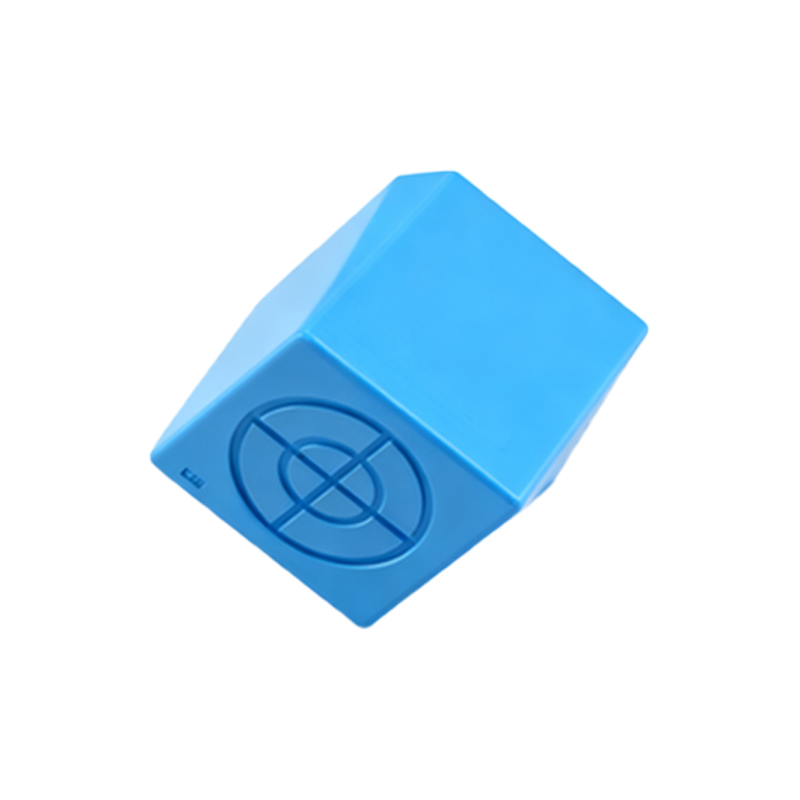
The integration of Industry 4.0 and IoT trends is shaping the next generation of paper proximity sensors. Smart sensors now feature IO-Link communication, enabling real-time diagnostics, parameter adjustment via software, and predictive maintenance alerts. This connectivity allows for centralized monitoring of sensor health across a production line, minimizing unplanned downtime.

In conclusion, paper proximity sensors are indispensable for efficiency and quality in paper-based industries. A deep understanding of sensor technologies, coupled with meticulous selection and setup, empowers engineers to design robust and reliable automation systems. As materials and processes evolve, continued innovation in sensor design will further enhance precision and operational intelligence.