The rapid expansion of the new energy sector, encompassing solar, wind, electric vehicles, and energy storage systems, has catalyzed a significant evolution in the supporting industrial technologies. Among these, proximity sensors play a pivotal role, ensuring safety, efficiency, and reliability. The core components of these sensors have undergone substantial innovation to meet the unique demands of harsh and dynamic new energy environments.
Traditionally, inductive and capacitive proximity sensors dominated industrial automation. However, new energy applications demand components that can withstand extreme temperatures, high electromagnetic interference (EMI), corrosive atmospheres, and constant vibration. For instance, in wind turbine pitch control systems, sensors must operate reliably in sub-zero temperatures at great heights with minimal maintenance. This has driven the development of advanced sensing elements. A key innovation is the use of robust, temperature-stable oscillator circuits within inductive sensors. These circuits now incorporate specialized ICs that compensate for thermal drift, ensuring consistent switching points from -40°C to 100°C. The coil windings, a critical component, are increasingly being encapsulated using vacuum potting compounds with high thermal conductivity, which protect against moisture, salt spray, and physical shock while dissipating heat from nearby power electronics.
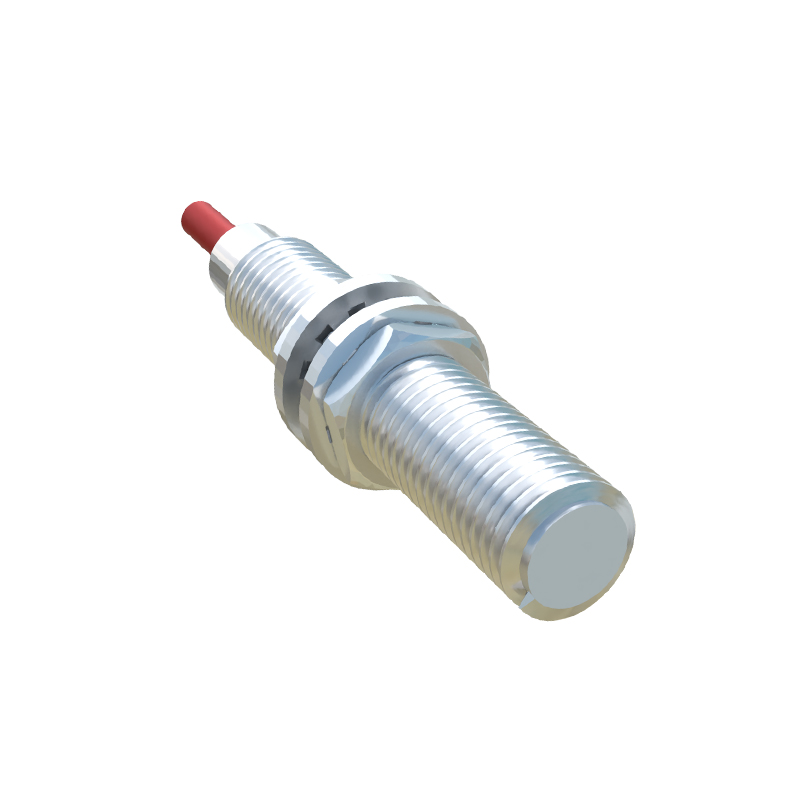
In photovoltaic systems, particularly within inverter units, capacitive proximity sensors are essential for detecting coolant levels and monitoring busbar connections. The sensing face dielectric, a fundamental component, has seen material science advancements. New ceramic composites and PEEK-based polymers offer superior dielectric constants that remain stable under intense UV exposure and thermal cycling, preventing false triggers caused by material degradation. Furthermore, the integration of ASICs (Application-Specific Integrated Circuits) has miniaturized the evaluation electronics, allowing for more compact sensor designs that fit into the densely packed inverters without sacrificing performance.
The electric vehicle (EV) ecosystem presents perhaps the most demanding set of challenges. Proximity sensors are ubiquitous in battery management systems (BMS), charging ports, and motor assemblies. Here, Hall-effect sensors, a type of magnetic proximity sensor, have become indispensable. The core component—the Hall-effect IC—has evolved to include integrated diagnostics, reverse polarity protection, and a wide operating voltage range compatible with EV power systems. The packaging of these ICs is critical; advanced molding techniques using epoxy resins with high CTI (Comparative Tracking Index) ratings prevent electrical tracking in high-voltage environments. Additionally, for detecting rotor position in traction motors, sensors employing giant magnetoresistance (GMR) or tunnel magnetoresistance (TMR) elements are gaining traction. These solid-state components offer exceptional sensitivity and accuracy in the presence of strong stray magnetic fields from motor currents, a common issue in EV drivetrains.
Another transformative trend is the move towards IO-Link communication capabilities integrated directly into the sensor's circuitry. This "smart component" architecture allows for not just binary detection but also continuous parameter monitoring—such as measuring the exact distance to a target or reporting internal temperature. This predictive maintenance data is invaluable for large-scale battery farms or offshore wind installations where unplanned downtime is catastrophic. The component enabling this is often a microcontroller unit (MCU) embedded within the sensor housing, designed for low-power operation and robust digital communication even in electrically noisy environments.
Material selection for housings and sensing faces has also progressed. Stainless steel (e.g., 316L grade) remains standard for corrosive environments, but for weight-sensitive applications like UAV batteries, engineered thermoplastics filled with conductive materials are being adopted. These provide EMI shielding and structural integrity while reducing overall mass.
Looking ahead, the convergence of new energy demands and Industry 4.0 will further push component innovation. We anticipate wider adoption of silicon carbide (SiC) semiconductors in sensor power regulation for higher temperature tolerance, and the development of sensing elements based on novel principles like eddy-current array technology for larger area monitoring in battery modules. The reliability of every weld, the safety of every charging cycle, and the efficiency of every kilowatt-hour generated hinge on the continuous advancement of these seemingly mundane yet profoundly critical proximity sensor components.