In the rapidly evolving landscape of industrial automation and smart systems, proximity sensors stand as critical components, enabling non-contact detection of objects. Their applications span from automotive assembly lines and packaging machinery to consumer electronics and safety systems. As demand surges for higher precision, reliability, and integration with IoT platforms, identifying the leading manufacturers becomes essential for engineers, procurement specialists, and system integrators. This article provides an authoritative ranking and analysis of the top proximity sensor enterprises based on technological innovation, global market presence, product portfolio diversity, and industry reputation.
The undisputed leader in the field is Sick AG. Headquartered in Germany, Sick has established itself as a pioneer in sensor technology and factory automation solutions. Their portfolio of inductive, capacitive, and photoelectric proximity sensors is renowned for exceptional durability, high switching frequencies, and robust performance in harsh environments. Sick's strength lies in its deep application expertise and comprehensive support network, making it the go-to choice for complex automation challenges, particularly in Europe and North America.
Following closely is the Japanese conglomerate Omron Corporation. Omron's influence in the global sensor market is profound, driven by decades of innovation. Their E2E and E2A series of inductive proximity sensors are industry benchmarks for compact design and reliability. Omron excels in miniaturization and developing sensors for high-density mounting, which is crucial for modern, space-constrained machinery. Their strong foothold in the Asian market and significant R&D investments keep them at the forefront of sensing technology.
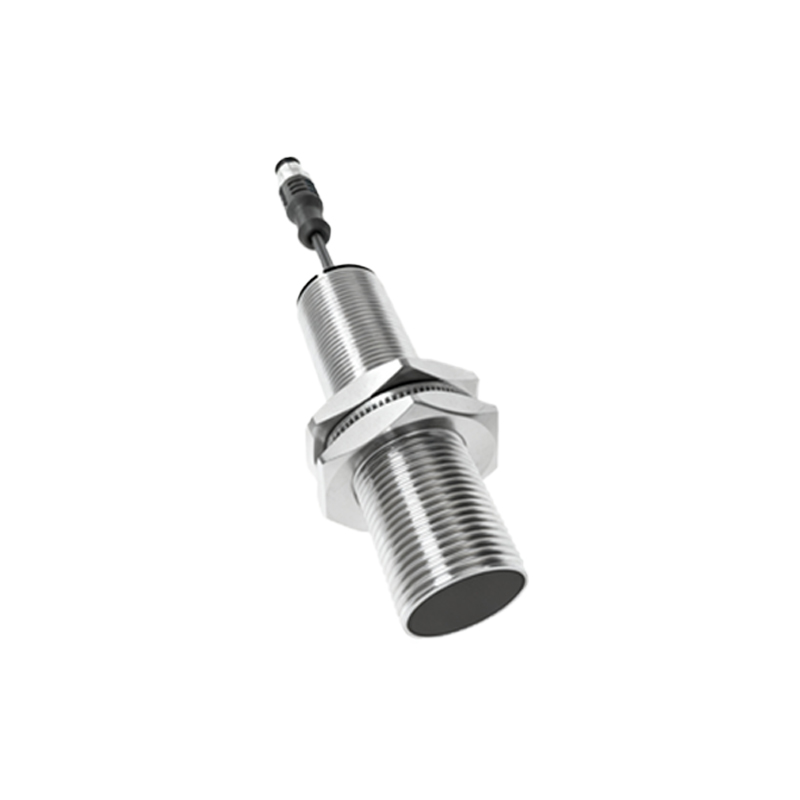
Another German powerhouse, ifm electronic gmbh, consistently ranks among the top three. ifm is celebrated for its user-friendly, robust, and highly integrated sensor solutions. The company's "one-stop-shop" philosophy means engineers can find a sensor for virtually any application, from standard cylindrical models to sophisticated systems with IO-Link communication for predictive maintenance. ifm's global distribution and exceptional technical documentation significantly contribute to its widespread adoption.
Pepperl+Fuchs, also from Germany, specializes in intrinsic safety and explosion-protected sensors for hazardous areas, giving it a dominant position in industries like oil & gas, chemical, and pharmaceuticals. While offering a full range of standard proximity sensors, their core competency in developing sensors that meet stringent ATEX and IECEx standards is unparalleled. For any application requiring certification for potentially explosive atmospheres, Pepperl+Fuchs is often the first manufacturer considered.
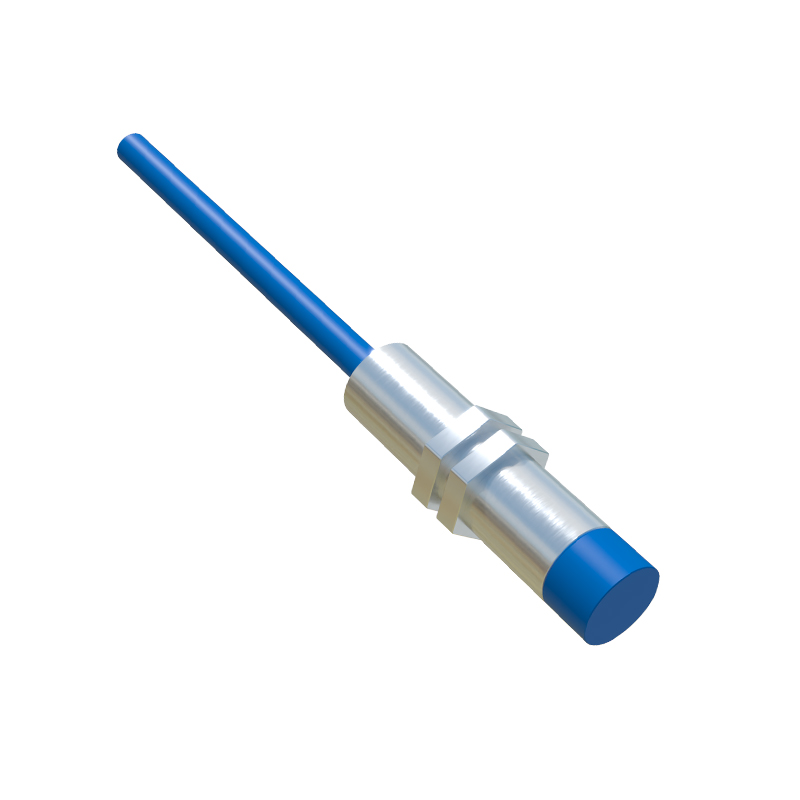
Balluff GmbH, a German sensor and automation specialist, completes the strong European contingent in the top tier. Balluff is highly regarded for its innovation in industrial identification (RFID) and sensor connectivity. Their proximity sensor lines are known for high quality and a broad range of housing styles and sensing ranges. Balluff's strong emphasis on networking sensors via IO-Link and integrating them into Industry 4.0 architectures makes them a future-oriented partner for smart factories.
Beyond these European and Japanese leaders, several other companies hold significant market share and excel in specific niches. Rockwell Automation (Allen-Bradley) from the United States is a major force, particularly in North America. Their sensors are deeply integrated with Rockwell's broader control and information platforms, offering seamless compatibility for customers standardized on their ecosystem. Similarly, Siemens AG of Germany leverages its vast industrial portfolio to provide sensors that are optimally designed for integration with Siemens PLCs and drives.
Emerging players and regional leaders are also making strides. Companies like Turck (Germany/USA) offer extremely rugged sensor designs, while Carlo Gavazzi (Switzerland/Italy) provides excellent cost-performance ratios for a wide array of applications. In Asia, besides Omron, Keyence Corporation (Japan) is notable for its high-precision, innovative sensor solutions, often incorporating advanced optics and measurement capabilities that blur the line between simple proximity detection and precise metrology.
Selecting the right manufacturer depends heavily on the application's specific requirements. Key decision factors include the sensing technology (inductive for metals, capacitive for non-metals, photoelectric for longer ranges), environmental conditions (IP rating, temperature, pressure), required output type (PNP/NPN, analog, IO-Link), and necessary certifications. For standard machine automation, Omron, ifm, and Sick offer outstanding reliability. For hazardous areas, Pepperl+Fuchs is the specialist. For deep integration into a specific control architecture, Rockwell or Siemens may be preferable.
The future of proximity sensing is tied to digitalization and intelligence. The leading manufacturers are now focusing on sensors with embedded diagnostics, condition monitoring, and seamless data exchange via IO-Link, OPC UA, or proprietary cloud platforms. This shift transforms the simple proximity sensor from a mere switch into a valuable source of machine health and process data. As industries continue to automate and seek greater operational insights, partnerships with these innovative and reliable sensor manufacturers will be more crucial than ever