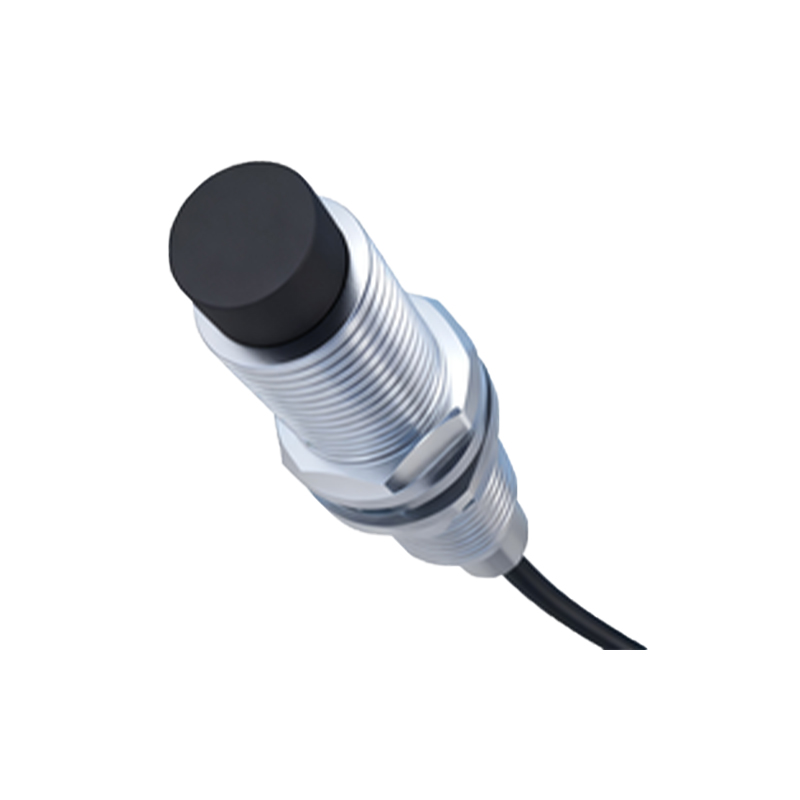
In the dynamic landscape of industrial automation, the demand for precision and reliability has never been higher. Custom proximity sensors have emerged as a critical component, offering tailored solutions that address specific operational challenges across diverse sectors. Unlike off-the-shelf models, these bespoke sensors are engineered to meet exact requirements, ensuring optimal performance in unique environments. This article delves into the intricacies of custom proximity sensor design, highlighting key considerations, applications, and benefits for industries seeking to enhance efficiency and safety.
The process of customizing proximity sensors begins with a thorough analysis of the application's parameters. Factors such as sensing range, target material, environmental conditions (e.g., temperature extremes, humidity, or exposure to chemicals), and output requirements must be meticulously evaluated. For instance, in automotive manufacturing, sensors may need to detect metallic components at high speeds with minimal error margins, while in food processing, they might require stainless steel housings and washdown capabilities to maintain hygiene standards. By collaborating closely with engineers, clients can specify details like housing materials, connector types, and sensing technologies—whether inductive, capacitive, or ultrasonic—to achieve a perfect fit for their systems.
One of the primary advantages of custom proximity sensors is their ability to overcome limitations posed by standard products. In harsh industrial settings, such as mining or heavy machinery, sensors often face vibrations, dust, and electromagnetic interference. Custom designs can incorporate robust enclosures, specialized shielding, and enhanced durability to withstand these conditions, thereby reducing downtime and maintenance costs. Additionally, tailored sensors can be integrated seamlessly into existing machinery, with form factors adjusted to fit tight spaces or unusual mounting configurations. This flexibility not only improves installation efficiency but also optimizes sensor placement for maximum accuracy.
Applications of custom proximity sensors span a wide array of industries. In logistics and warehousing, they enable precise object detection for automated guided vehicles (AGVs) and sorting systems, enhancing throughput and reducing errors. The aerospace sector relies on high-precision sensors for monitoring component alignment and safety mechanisms, where even minor deviations can have significant consequences. Similarly, in renewable energy projects, such as wind turbines, custom sensors monitor blade position and structural integrity, contributing to reliable operation in remote locations. By adapting to sector-specific needs, these sensors play a pivotal role in advancing smart manufacturing and Industry 4.0 initiatives.
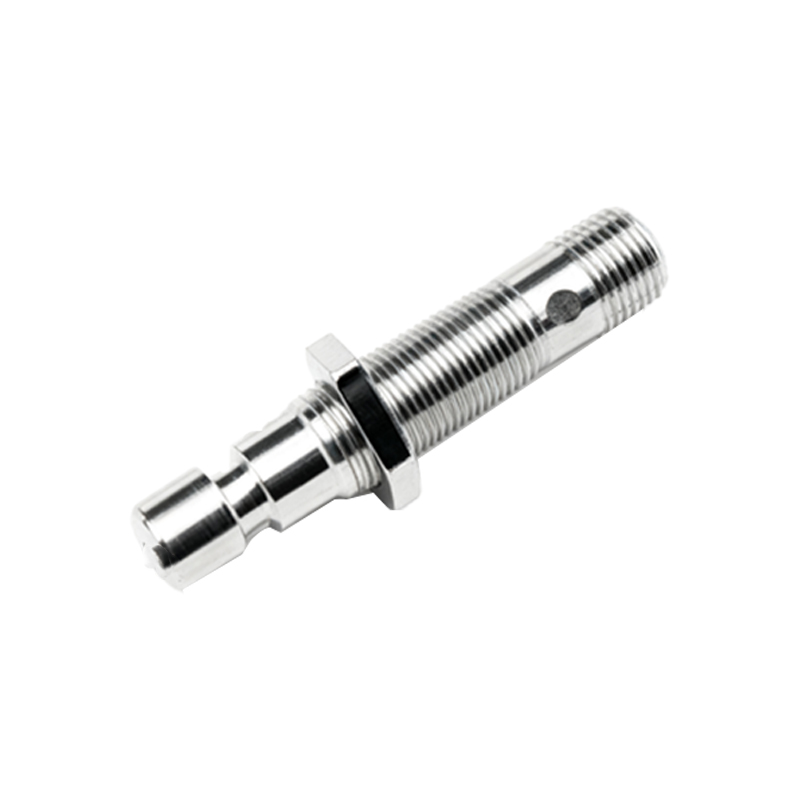
From a technical standpoint, the development of custom proximity sensors involves advanced engineering and testing protocols. Prototyping is a crucial phase, allowing for real-world validation before full-scale production. Engineers utilize simulation tools and material analysis to predict performance under stress, ensuring that the final product meets stringent quality standards. Moreover, customization extends to electronic aspects, such as adjusting response times or implementing programmable logic for complex detection scenarios. This holistic approach guarantees that each sensor delivers consistent, long-term reliability, backed by technical support and compliance with international certifications like IEC and UL.
In conclusion, investing in custom proximity sensors offers a strategic advantage for industries aiming to boost automation capabilities. By focusing on tailored solutions, businesses can address unique challenges, improve operational efficiency, and foster innovation. As technology evolves, the collaboration between clients and sensor manufacturers will continue to drive advancements, paving the way for smarter, more resilient industrial ecosystems. Whether for routine monitoring or critical safety functions, custom sensors represent a commitment to excellence in an increasingly automated world.