In the realm of industrial automation and quality control, precision measurement is paramount. Among the array of technologies enabling such accuracy, laser displacement sensors stand out for their non-contact, high-speed, and high-resolution capabilities. BGS laser displacement sensors, in particular, have garnered significant attention for their robust performance in demanding environments. This article delves into the operational principles, key features, and diverse applications of these sophisticated instruments, providing a comprehensive technical overview for engineers and industry professionals.
At its core, a BGS laser displacement sensor operates on the principle of optical triangulation. The sensor emits a focused beam of laser light onto the target surface. The reflected light is then captured by a receiving lens and focused onto a position-sensitive detector, typically a CMOS or CCD array. The position of the light spot on this detector changes proportionally to the distance of the target. By precisely calculating this positional shift, the sensor's internal processor determines the displacement or distance with exceptional accuracy. This method allows for measurements that are immune to the wear and tear associated with contact probes and are unaffected by the material's electromagnetic properties.
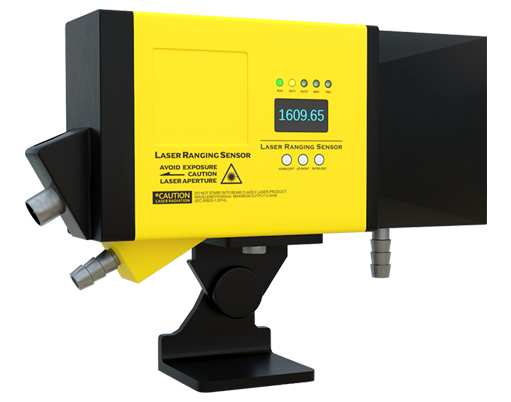
The performance specifications of BGS laser displacement sensors are a testament to their engineering excellence. Key parameters include measurement range, resolution, linearity, and sampling speed. Modern BGS sensors offer sub-micron resolution, enabling the detection of minute surface variations, cracks, or deformations. Their high linearity ensures that measurements are consistent and reliable across the entire sensing range. Furthermore, sampling rates can reach into the tens of kilohertz, making them ideal for high-speed production lines where real-time feedback is critical for process control. Many models also feature integrated analog and digital outputs (e.g., 4-20mA, 0-10V, RS-485, Ethernet/IP) for seamless integration into PLCs and data acquisition systems.
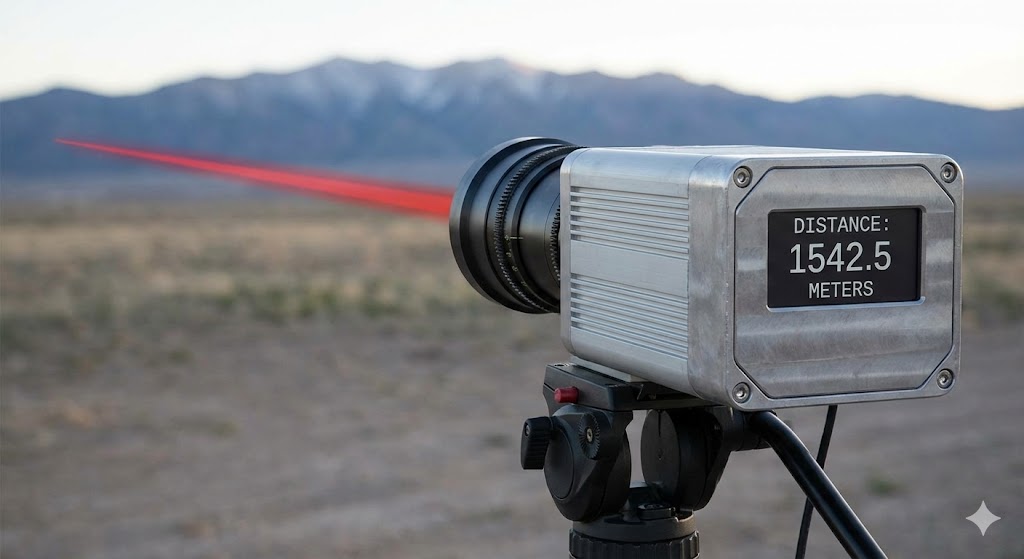
Environmental robustness is a hallmark of BGS laser sensors. Designed for industrial settings, they often boast high IP ratings (e.g., IP67) for resistance against dust and water ingress. They can withstand significant levels of vibration and shock, maintaining calibration and accuracy. Advanced models incorporate features like automatic background suppression to minimize interference from ambient light and automatic power control to ensure stable performance regardless of the target's color or surface finish—from highly reflective metals to dark, absorbent materials. This adaptability is crucial for applications with varying target conditions.
The applications for BGS laser displacement sensors are vast and span multiple industries. In automotive manufacturing, they are used for precise gap and flush measurement between body panels, thickness inspection of brake discs, and vibration analysis of engines. In the electronics sector, they ensure the coplanarity of chip leads, measure solder paste height on PCBs, and inspect the flatness of display panels. Within metal processing, they monitor thickness during rolling processes, control the position of robotic welders, and detect warpage in stamped parts. Additionally, they play a vital role in robotics for precise positioning and guidance, and in logistics for dimensioning packages and pallets.
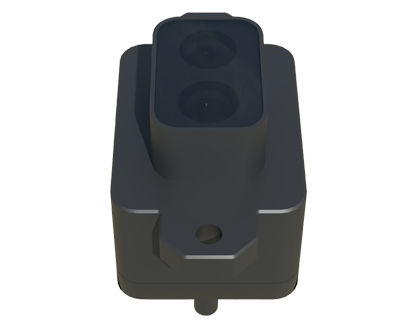
When integrating a BGS laser displacement sensor, several factors must be considered. Proper mounting is essential to avoid mechanical stress and thermal effects on the sensor body. The choice of measurement range should provide an adequate margin beyond the expected target movement. The spot size of the laser must be appropriate for the target feature; a smaller spot allows for higher resolution on detailed features, while a larger spot can average out surface roughness. Understanding the target's surface characteristics is also vital, as excessively rough, transparent, or specularly reflective surfaces may require special sensor models with diffuse reflection or through-beam configurations.
Looking ahead, the evolution of BGS laser displacement sensors continues. Trends point towards even smaller form factors, higher speeds, and enhanced connectivity for Industry 4.0 applications. The integration of onboard intelligence, such as edge computing capabilities for direct data processing and analysis, is becoming more prevalent. Furthermore, the development of multi-point and profile measurement sensors, which use laser lines instead of single points, is expanding their utility for 3D contour inspection and more complex measurement tasks.
In conclusion, BGS laser displacement sensors represent a critical technology for modern precision engineering. Their combination of non-contact operation, high accuracy, speed, and environmental durability makes them an indispensable tool for enhancing quality, optimizing processes, and enabling automation across a wide spectrum of industrial applications. For engineers tasked with implementing reliable measurement solutions, a thorough understanding of these sensors' capabilities and proper application guidelines is key to unlocking their full potential and driving operational excellence.