In modern industrial and commercial environments, efficient and automated lighting control is essential for energy conservation, safety, and operational convenience. DC proximity sensors, known for their reliability and precision, offer an excellent solution for automating lighting systems. This article delves into the practical aspects of using DC proximity sensors to control lighting, covering principles, wiring configurations, and best practices for electrical engineers.
DC proximity sensors operate by detecting the presence or absence of an object within a specified range without physical contact. They typically emit an electromagnetic field or a beam of infrared light, and when an object disrupts this field, the sensor triggers an output signal. For lighting control, this signal can be used to switch lights on or off, adjust brightness, or activate specific lighting zones. Common types include inductive sensors for metal detection and capacitive sensors for non-metallic materials, both available in DC versions (e.g., 12V or 24V DC) for stable performance in low-voltage applications.
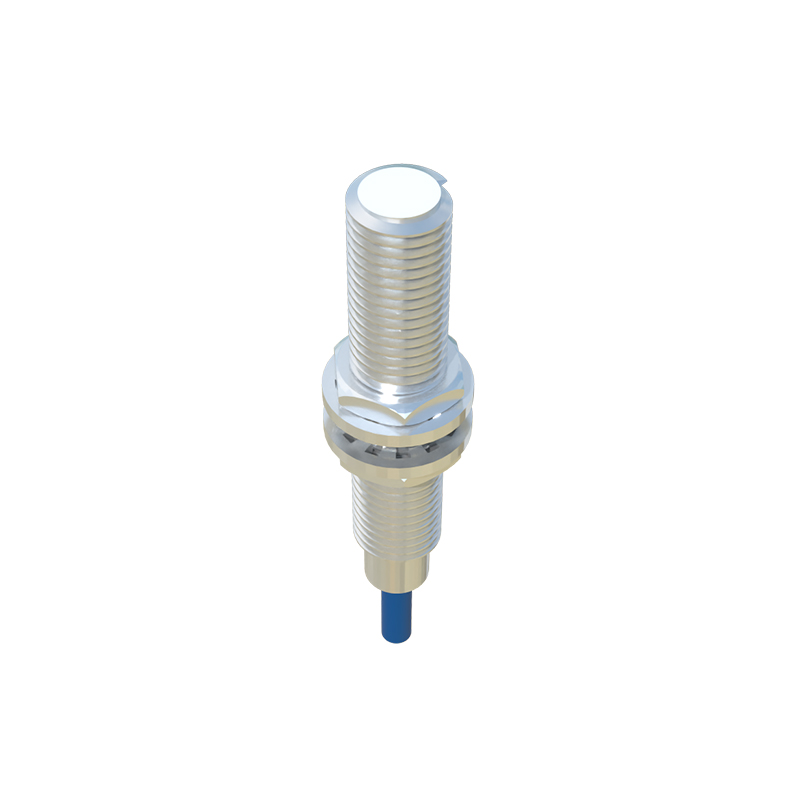
To implement a DC proximity sensor-based lighting system, start by selecting an appropriate sensor based on the environment. For instance, in warehouses or parking garages, inductive sensors are ideal for detecting vehicles, while capacitive sensors suit areas with human traffic, like corridors or restrooms. Ensure the sensor's sensing distance and response time align with the lighting requirements—typically, a range of 5-20 mm suffices for most applications. Wiring is straightforward: connect the DC power supply (positive and negative terminals) to the sensor, and link the output terminal to a control relay or a programmable logic controller (PLC). The relay then manages the lighting circuit, allowing the sensor to activate lights upon detecting motion or presence.
A key advantage of using DC sensors is their low power consumption and compatibility with battery-backed or solar-powered systems, making them suitable for remote or energy-efficient setups. Engineers should consider environmental factors such as temperature, humidity, and electromagnetic interference, which can affect sensor accuracy. Shielded sensors are recommended in high-noise areas to prevent false triggers. Additionally, integrating timers or dimming controllers with the sensor output can enhance functionality—for example, lights can be programmed to stay on for 30 seconds after detection or to dim when ambient light is sufficient.
In practice, a common application is in smart office buildings, where DC proximity sensors control lighting in conference rooms or workstations. When an employee enters, the sensor detects movement and turns on the lights; after a period of inactivity, it switches them off, reducing energy waste. For industrial safety, sensors can illuminate hazardous zones when machinery approaches, preventing accidents. Regular maintenance, such as cleaning sensor lenses and checking connections, ensures long-term reliability.
Overall, DC proximity sensors provide a robust and flexible method for lighting automation. By understanding their technical specifications and integrating them thoughtfully into electrical designs, engineers can create efficient, responsive lighting systems that meet modern demands for sustainability and smart control. Future trends may include IoT-enabled sensors for remote monitoring, but the core principles remain rooted in precise detection and reliable DC operation.