In the realm of industrial automation and process control, the demand for reliable, non-contact sensing solutions is paramount. Among the diverse array of technologies available, laser diffuse reflection proximity sensors have carved out a significant niche, offering precision and versatility for a multitude of applications. This article delves into the operational principles, key characteristics, and practical considerations for deploying these sophisticated devices.
At its core, a laser diffuse reflection proximity sensor operates on a straightforward yet effective principle. The sensor emits a focused beam of laser light, typically from a Class 1 or Class 2 laser diode, towards a target object. Unlike through-beam or retro-reflective sensors that require a separate receiver or a reflector, this type is a self-contained unit. The emitted laser light strikes the surface of the target. Due to the microscopic irregularities present on almost all surfaces, the light is scattered or "diffusely reflected" in many directions. A portion of this scattered light returns to the sensor's integrated receiver lens and is focused onto a photodetector, such as a photodiode or a position-sensitive device (PSD).
The sensor's internal electronics then evaluate the intensity or the positional shift of the returned light signal. For standard diffuse reflection models, the detection is based on the received light intensity surpassing a pre-set threshold. More advanced versions utilize triangulation principles. In a triangulation sensor, the position where the reflected light hits the PSD changes depending on the distance to the target. By calculating this shift, the sensor can not only detect presence but also provide precise distance measurement, making it a laser diffuse reflection distance sensor.
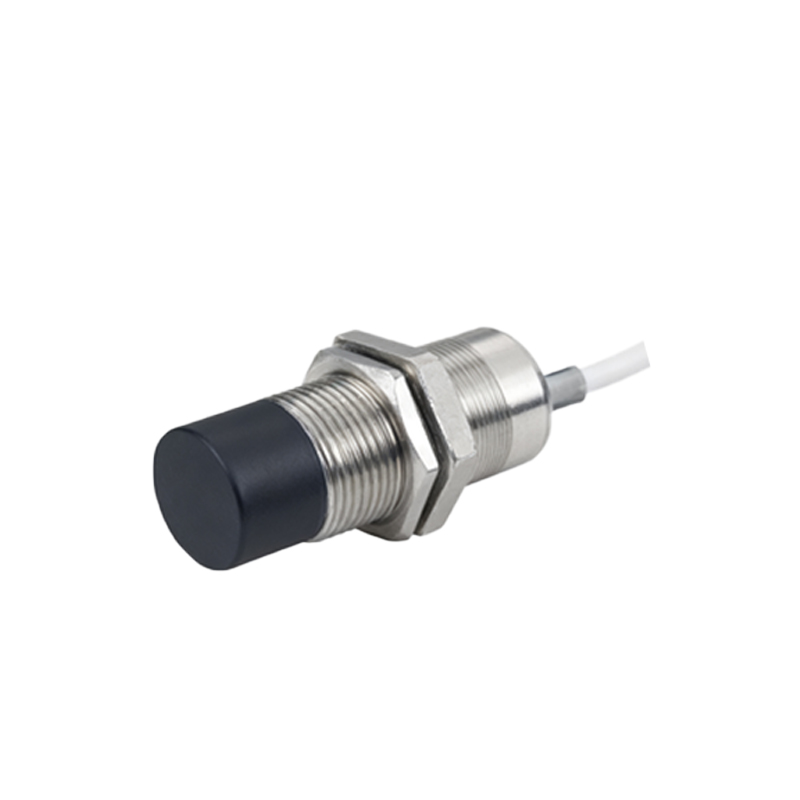
Key performance specifications define the suitability of these sensors for specific tasks. The sensing range is a primary consideration, varying from a few millimeters to several meters, depending on the model, laser power, and target surface properties. Background suppression is a critical feature, especially for standard diffuse models. This technology allows the sensor to ignore objects beyond a certain programmed distance, preventing false triggers from distant surfaces like machine walls or conveyor belts. Response time is exceptionally fast, often in the microsecond range, enabling detection of high-speed events or objects on rapid production lines. Furthermore, the small, focused laser spot allows for the detection of minute objects or precise positioning, such as verifying the presence of a tiny screw or aligning a component.
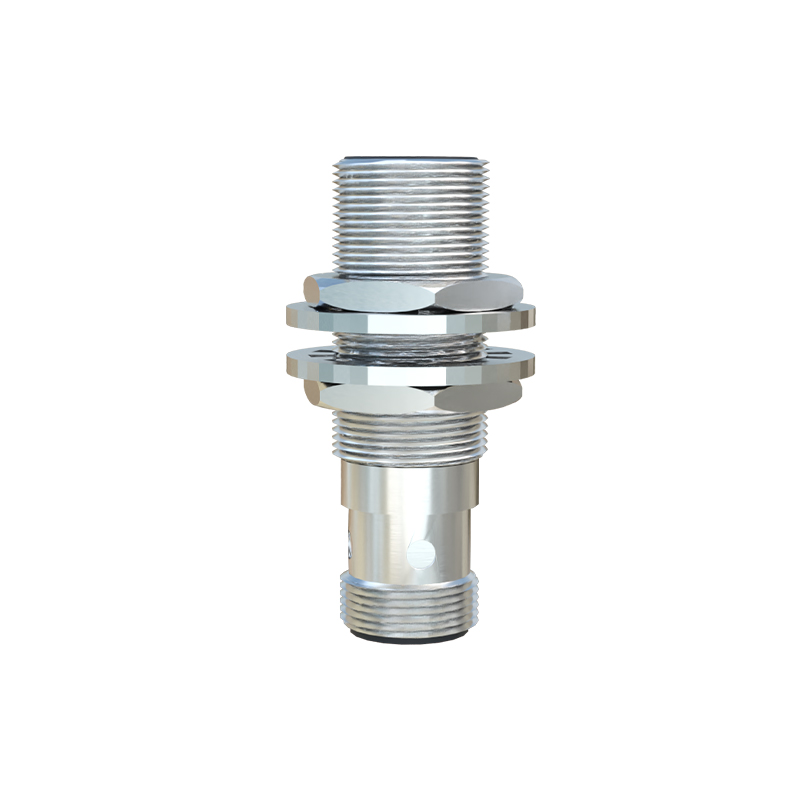
The choice of target material and surface finish profoundly impacts performance. Ideal targets are opaque, non-metallic, and have a matte, light-colored finish (e.g., white plastic, paper, untreated wood), which provides excellent diffuse reflection. Challenging surfaces include shiny metals, glass, or black objects. Shiny surfaces cause specular (mirror-like) reflection, which may deflect the beam away from the receiver, while black or dark-colored materials absorb most of the laser light, drastically reducing the amount of reflected energy. For such difficult surfaces, specialized sensors with higher laser power, background suppression, or specific algorithms are recommended.
Practical applications for laser diffuse reflection proximity sensors are vast across industries. In packaging, they detect transparent films, count bottles, or control filling levels. In electronics assembly, they verify component placement on PCBs or measure wafer thickness. In material handling, they provide precise positioning for robotic arms, detect objects on conveyors, or monitor roll diameters. The triangulation-based distance sensors are indispensable for profiling, thickness gauging, and controlling robot standoff distances.
When integrating these sensors, several factors must be addressed. Proper alignment is crucial; the laser beam must strike the target surface perpendicularly for optimal signal return. Environmental conditions like dust, steam, or intense ambient light can interfere with operation. Selecting sensors with adequate ingress protection (IP ratings) and using models with modulated laser light (to distinguish from ambient light) mitigates these issues. Regular maintenance, primarily keeping the lens clean, ensures long-term reliability.
In conclusion, laser diffuse reflection proximity sensors represent a powerful tool in the automation engineer's arsenal. Their combination of non-contact operation, high precision, speed, and compact design makes them ideal for solving complex detection and measurement challenges. By understanding their operating principles and carefully considering application requirements—target characteristics, environmental factors, and required functionality—engineers can leverage this technology to enhance system accuracy, efficiency, and robustness. As laser and receiver technologies continue to advance, we can expect these sensors to offer even greater performance, pushing the boundaries of what is possible in automated sensing and control.