Proximity sensors integrated into door handles are critical components in modern automated access systems, industrial machinery, and automotive applications. These sensors, typically inductive or capacitive types, detect the presence of a hand or object to trigger actions such as unlocking doors or initiating safety protocols. A circuit failure or open circuit in such sensors can lead to system malfunctions, security vulnerabilities, and operational downtime. This article examines the common causes, diagnostic procedures, and corrective measures for proximity sensor circuit failures in door handle setups.
One primary cause of circuit failure is physical damage to the sensor or its wiring. Door handles are high-traffic areas exposed to mechanical stress, environmental factors, and vandalism. Vibration, impact, or repeated use can fracture solder joints, break internal coils in inductive sensors, or sever cable connections. In outdoor or harsh industrial environments, moisture ingress and corrosion can degrade electrical contacts, leading to increased resistance or open circuits. For instance, in automotive door handles, road salt and temperature fluctuations accelerate corrosion, while in industrial settings, chemical exposure may compromise insulation.
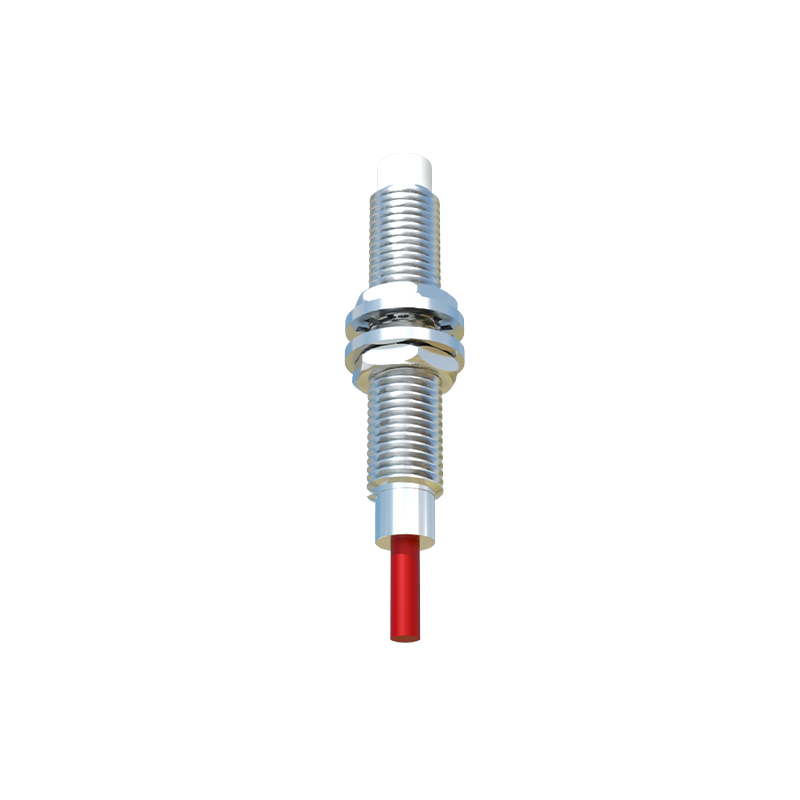
Electrical issues also contribute to sensor circuit failures. Overvoltage spikes from power surges or electromagnetic interference (EMI) can damage sensitive sensor electronics. Poor grounding or incorrect wiring during installation may cause short circuits or open loops. Additionally, component aging—such as degraded capacitors or worn-out oscillator circuits in inductive sensors—can lead to gradual failure. In some cases, manufacturing defects like weak wire bonds or substandard materials manifest as intermittent faults before complete circuit opening.
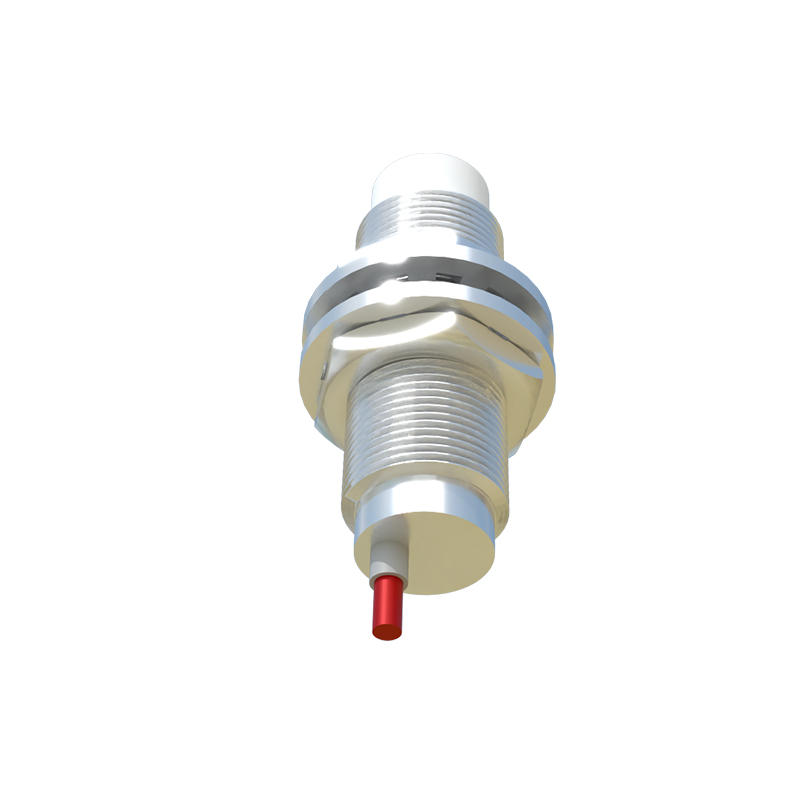
Diagnosing a proximity sensor circuit failure requires a systematic approach. Begin with a visual inspection of the door handle assembly, looking for obvious damage, loose connectors, or corrosion. Use a multimeter to check continuity across the sensor’s terminals; an infinite resistance reading indicates an open circuit. For active sensors, measure output signals against specifications—a lack of signal change when an object is present suggests internal failure. Oscilloscopes can help analyze signal integrity, especially for sensors with pulsed outputs. In networked systems, diagnostic tools can read error codes, such as "sensor open circuit" alerts in programmable logic controllers (PLCs) or access control panels.
To resolve these failures, first address physical damage by replacing damaged sensors or cables with industrial-grade components rated for the application. Ensure proper strain relief and sealing for environmental protection. For electrical issues, install surge protectors or filters to mitigate voltage spikes and EMI. Verify wiring according to manufacturer diagrams, emphasizing secure connections and correct grounding. Preventive maintenance, including regular cleaning and testing, can extend sensor lifespan. In critical applications, consider redundant sensor setups or fail-safe designs to maintain functionality during failures.
Advancements in sensor technology offer improved reliability. For example, self-diagnostic sensors with integrated health monitoring can alert users to impending failures, while robust designs with IP67 or higher ratings resist environmental challenges. When selecting proximity sensors for door handles, prioritize models with proven durability and compliance with industry standards like IEC 60947-5-2.
In summary, proximity sensor circuit failures in door handles stem from physical, environmental, and electrical factors. Through careful diagnosis and proactive solutions—including quality components, proper installation, and maintenance—engineers can minimize downtime and ensure reliable operation. As automation evolves, leveraging resilient sensor designs will be key to enhancing system integrity in access control and safety applications.