In the realm of industrial automation, precision, reliability, and durability are non-negotiable. Among the myriad of sensing technologies available, the square photoelectric switch stands out as a versatile and robust solution for countless detection and control tasks. This article delves into the operational principles, key features, selection criteria, and typical applications of this essential component, providing a detailed guide for engineers and system integrators.
At its core, a square photoelectric switch operates on the principle of light beam modulation. It consists of two primary components: an emitter and a receiver, often housed within a single, compact square-shaped casing. The emitter projects a beam of light—typically infrared, red, or laser—towards the receiver. The presence, absence, or specific characteristics of an object are detected based on how it interacts with this light beam. There are three fundamental sensing modes: through-beam, retro-reflective, and diffuse-reflective. Through-beam models have separate emitter and receiver units; an object is detected when it interrupts the beam. Retro-reflective types use a single housing with both emitter and receiver, relying on a reflector to bounce the beam back; detection occurs when the beam is blocked. Diffuse-reflective (or proximity) sensors also house both elements but detect objects by measuring the light reflected directly off the target's surface.
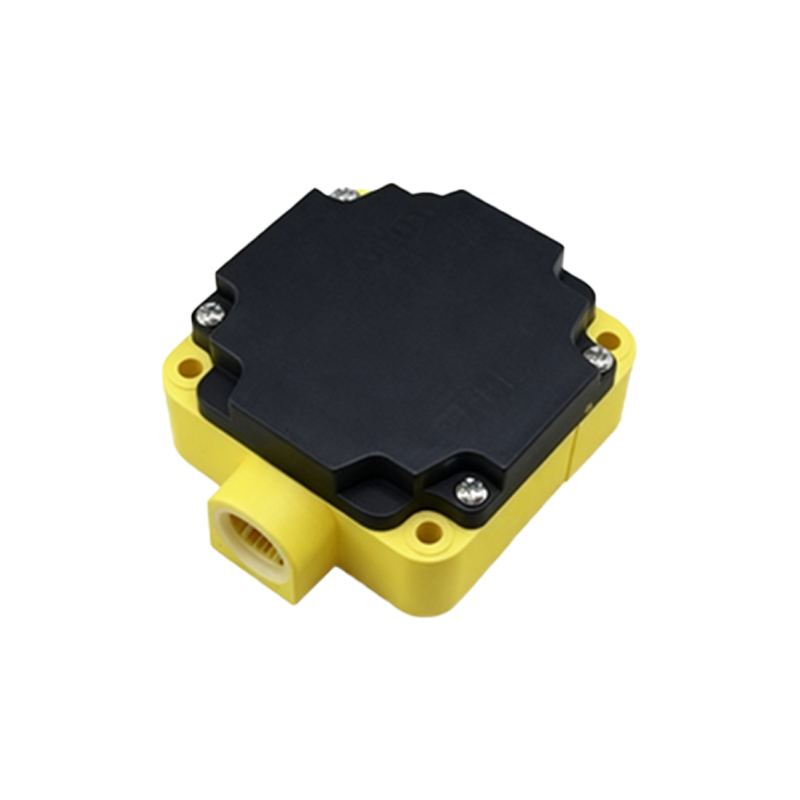
The square form factor is a significant design choice. It offers distinct advantages in industrial settings. The flat surfaces facilitate easy and secure mounting on machinery, control panels, or conveyor frames using standard brackets. This shape often allows for multi-directional mounting, providing flexibility in installation. Furthermore, the robust construction typical of square housings, frequently made from high-grade plastics like PBT or metals such as stainless steel, ensures excellent resistance to mechanical impacts, vibrations, and harsh environmental conditions. Many models boast high Ingress Protection (IP) ratings (e.g., IP67, IP69K), making them impervious to dust, water jets, and even temporary immersion, which is crucial for washdown environments in food & beverage or pharmaceutical industries.
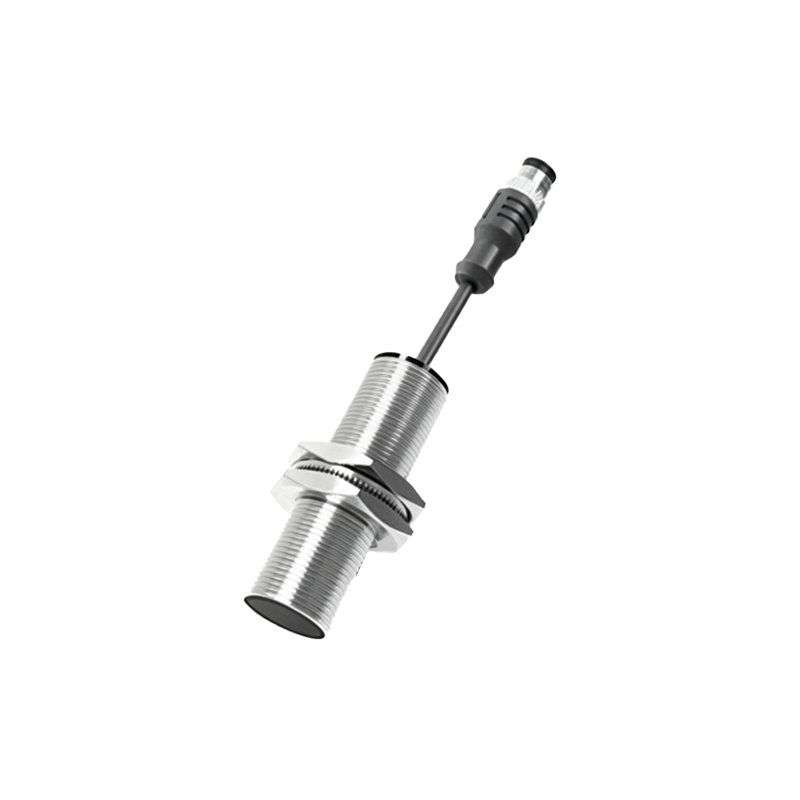
When selecting a square photoelectric switch, several technical parameters demand careful consideration. Sensing range is paramount; through-beam models offer the longest ranges, often exceeding 10 meters, while diffuse types are suitable for shorter distances. The response time, measured in milliseconds or microseconds, determines how quickly the sensor can react to a passing object, a critical factor in high-speed production lines. Output configuration is another key decision point. Common outputs include NPN (sinking) or PNP (sourcing) transistor outputs, relay contacts, or analog outputs (4-20mA, 0-10V). The choice depends on the compatibility with the programmable logic controller (PLC) or other control circuitry. Additional features like built-in timers (ON-delay, OFF-delay), teach-in functionality for easy range setting, and diagnostic indicators (LEDs for power and output status) greatly enhance operational convenience and troubleshooting.
The application spectrum for square photoelectric switches is remarkably broad. In packaging machinery, they are indispensable for detecting the presence of boxes, bottles, or labels, ensuring proper filling and sealing sequences. On automated assembly lines, they count parts, verify component placement, and control robotic pick-and-place operations. Within material handling systems, these sensors monitor object position on conveyors, detect stack height, and prevent jams. Their robustness also makes them ideal for outdoor or harsh indoor applications, such as detecting vehicles in parking systems, monitoring bulk material levels in silos, or ensuring safety by monitoring guard door positions.
Installation and alignment are critical for optimal performance. For through-beam and retro-reflective types, precise alignment between the emitter, receiver, and/or reflector is necessary to ensure a stable light signal. Diffuse sensors require consideration of the target object's color, material, and surface finish, as these factors affect reflectivity. Environmental factors like ambient light, dust, fog, or temperature extremes must also be accounted for; selecting sensors with modulated LED light (which is immune to ambient light interference) and appropriate housing materials is essential for reliable operation in challenging conditions.
In conclusion, the square photoelectric switch is a fundamental pillar of modern industrial sensing. Its combination of a practical form factor, rugged construction, versatile sensing modes, and high performance makes it a go-to solution for engineers designing automated systems. By understanding its operating principles and carefully matching its specifications to the application requirements, one can ensure enhanced system reliability, efficiency, and productivity. As automation continues to evolve, these robust sensors will undoubtedly remain a key component in the intelligent factories of today and tomorrow.