In the realm of industrial automation and precision measurement, laser camera sensors have become indispensable tools for tasks ranging from dimensional inspection to robotic guidance. However, the accuracy and repeatability of these sensors are heavily dependent on the fixtures that hold them. A well-designed fixture is not merely a mounting bracket; it is a critical component that ensures stability, alignment, and protection, directly impacting the quality of data captured.
The primary function of a laser camera sensor fixture is to provide a rigid and vibration-free platform. Any unintended movement, even at the micron level, can introduce significant error into measurement results. Therefore, material selection is paramount. High-grade aluminum alloys, such as 6061-T6, are commonly used for their excellent strength-to-weight ratio and machinability. For applications requiring extreme thermal stability or in corrosive environments, stainless steel or engineered polymers like PEEK may be employed. The fixture's design must also consider the sensor's center of gravity to prevent torque-induced deflection.
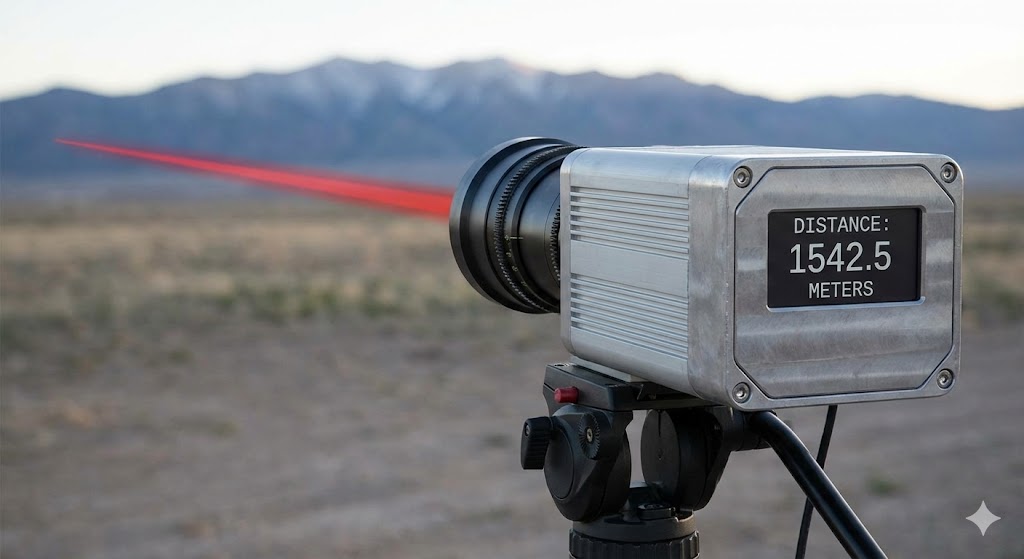
Alignment is another crucial aspect. Laser camera sensors often require precise angular and positional adjustment relative to the target or production line. Modern fixtures incorporate fine-adjustment mechanisms, such as micrometer heads or goniometric stages, allowing technicians to calibrate the sensor's pitch, yaw, and roll with high precision. These adjustments are typically locked in place after calibration to prevent drift during operation. Furthermore, fixtures should facilitate easy access for periodic recalibration without requiring complete disassembly, minimizing downtime.
Environmental factors pose significant challenges. In manufacturing settings, fixtures are exposed to dust, coolant, oil mist, and mechanical shocks. A robust fixture design includes integrated protective shrouds or bellows to shield the sensor's lens and laser emitter from contaminants. For sensors used in high-temperature areas, such as near welding stations, fixtures may incorporate active or passive cooling elements, like heat sinks or thermal isolation pads, to maintain the sensor within its specified operating temperature range.
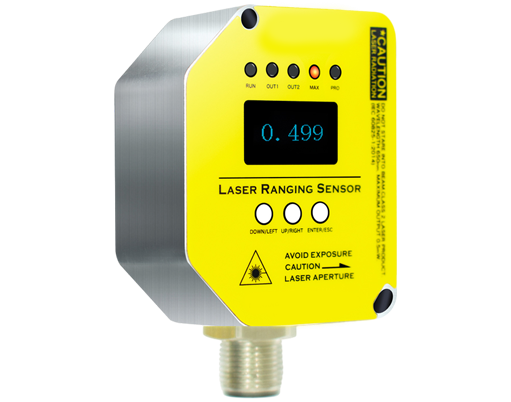
Modularity and flexibility are increasingly important in today's fast-changing production environments. A modular fixture system allows the same base mount to accommodate different sensor models or to be quickly reconfigured for new inspection tasks. Quick-release mechanisms, such as ball-lock pins or tool-less clamps, enable rapid sensor changeover, enhancing production line flexibility. This design philosophy reduces inventory costs and accelerates deployment for new applications.
Integration with other system components is a key consideration. The fixture must provide secure pathways for the sensor's data and power cables, preventing strain on electrical connectors which can lead to intermittent faults. Cable management features, like built-in conduits or strain relief clamps, are essential for long-term reliability. Additionally, the fixture should be designed to avoid casting shadows or creating reflections that could interfere with the sensor's field of view, a factor often overlooked in initial design stages.
From a maintenance perspective, fixtures should be designed for simplicity. Components subject to wear, such as locking knobs or adjustment screws, should be easily replaceable. Clear labeling of adjustment axes and calibration references on the fixture itself aids in troubleshooting and reduces dependency on extensive documentation. Regular maintenance checks should include verifying the tightness of all fasteners and inspecting for any signs of corrosion or physical damage.
In conclusion, the laser camera sensor fixture is a foundational element that bridges the gap between sensor capability and real-world performance. Investing in a meticulously engineered fixture—considering factors of rigidity, alignment, environmental protection, modularity, and integration—yields substantial returns in measurement accuracy, system reliability, and operational efficiency. As sensor technology advances towards higher resolutions and faster capture rates, the role of the precision fixture will only grow in significance, demanding continuous innovation in materials and mechanical design from engineers.