Laser sensor boxes represent a critical advancement in industrial automation and precision measurement, offering unparalleled accuracy and reliability in diverse applications. As an electrical engineer, understanding the design principles, operational mechanisms, and integration strategies of these devices is essential for optimizing system performance. This guide delves into the core aspects of laser sensor boxes, providing insights into their functionality, selection criteria, and implementation in modern engineering projects.
At its core, a laser sensor box integrates a laser source, optical components, and detection electronics within a compact, protective enclosure. The laser emits a focused beam of light, which interacts with a target object. Reflected or scattered light is captured by a receiver, and the sensor processes this data to determine parameters such as distance, position, thickness, or presence. Key technologies employed include time-of-flight (ToF), triangulation, and confocal measurement, each suited to specific industrial needs. For instance, ToF sensors excel in long-range distance sensing, while triangulation methods offer high precision for surface profiling.
The construction of a laser sensor box emphasizes durability and environmental resilience. Enclosures are typically rated to IP67 or higher standards, ensuring protection against dust, moisture, and mechanical shocks. Electrical interfaces, such as analog outputs (e.g., 4-20 mA or 0-10 V) and digital protocols (e.g., IO-Link, Ethernet/IP), facilitate seamless integration with PLCs, HMIs, and control systems. Engineers must consider factors like beam wavelength (commonly 650 nm red lasers or 905 nm infrared), measurement range, response time, and ambient light immunity when selecting a sensor. For example, infrared lasers minimize interference in bright settings, while faster response times enhance dynamic measurement capabilities.
In practice, laser sensor boxes are deployed across industries including automotive manufacturing, electronics assembly, packaging, and robotics. They enable non-contact inspection of components, precise alignment in assembly lines, and quality control in material handling. A case study from automotive welding lines illustrates their value: sensors monitor weld seam positions with micron-level accuracy, reducing defects and improving throughput. Integration involves calibrating the sensor to the target surface properties, configuring output signals, and implementing error-handling routines in control software.
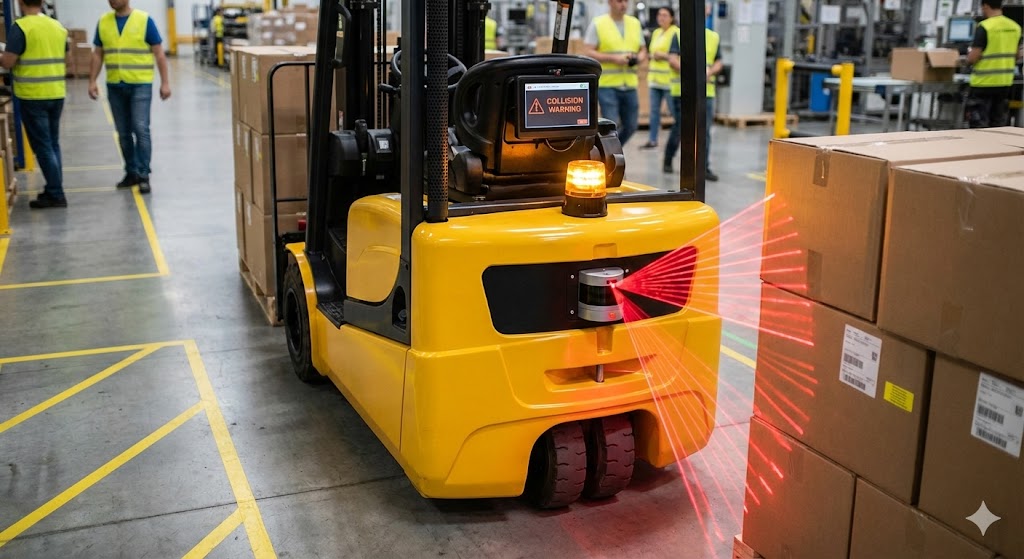
Maintenance and calibration are vital for sustained accuracy. Regular cleaning of optical windows prevents signal attenuation, while periodic recalibration compensates for environmental drift. Advanced models feature self-diagnostic functions, alerting users to issues like lens contamination or alignment errors. Engineers should adhere to manufacturer guidelines for operating temperatures (often -10°C to 50°C) and avoid exposing sensors to direct sunlight or corrosive substances.
Future trends in laser sensor technology include miniaturization, enhanced connectivity via Industrial IoT, and AI-driven data analysis. Smart sensors with embedded processing capabilities can perform edge computing, reducing latency in decision-making. As Industry 4.0 evolves, laser sensor boxes will play a pivotal role in enabling adaptive, data-rich automation systems.
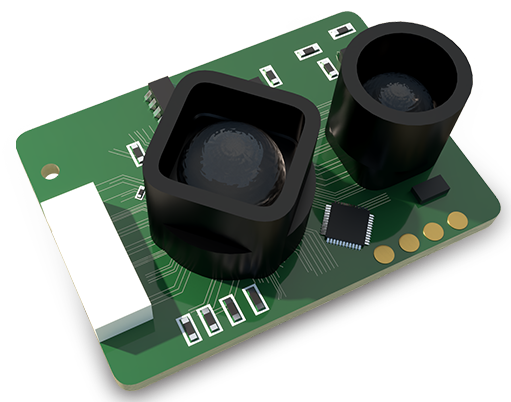
For electrical engineers, mastering laser sensor boxes involves hands-on experimentation and staying updated with technological advancements. By leveraging their precision and versatility, professionals can drive innovation in automation, ensuring efficiency and reliability in complex industrial environments.