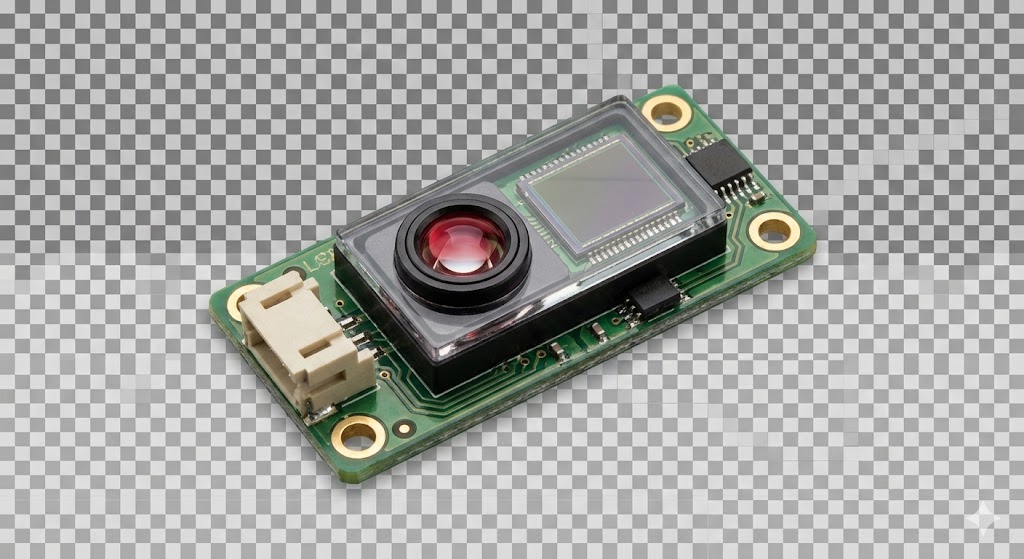
In the realm of industrial automation, precision and reliability are paramount. Counting laser sensors have emerged as indispensable tools for achieving these goals, offering non-contact, high-speed, and accurate object detection and counting capabilities. This article delves into the working principles, key applications, and critical factors for selecting the right counting laser sensor for your operations.
At its core, a counting laser sensor operates on the principle of optical triangulation or time-of-flight measurement. In a common through-beam configuration, the sensor consists of two separate units: a laser transmitter and a receiver. The transmitter emits a focused beam of coherent light. When an object passes between the two units, it interrupts this beam. The receiver detects this interruption and sends a signal to an integrated or external counter. Retro-reflective models use a single housing that emits a beam towards a reflector; the count is triggered when the reflected beam is blocked. Diffuse or proximity sensors rely on light reflected directly from the target object itself. Advanced versions incorporate background suppression technology or precise background evaluation to ignore distant objects or changing environmental conditions, ensuring counts are only registered for the intended targets.
The applications for counting laser sensors are vast and span numerous industries. In packaging and bottling lines, they are used to verify fill levels, count bottles or packages on conveyors, and monitor production throughput. The automotive industry employs them for part verification on assembly lines, ensuring the correct number of components are present. In logistics and warehouse management, these sensors count boxes on sorting lines, parcels on chutes, and items entering or leaving a storage system. They are also crucial in the pharmaceutical industry for counting pills, vials, and blister packs with extreme accuracy to comply with strict regulations. Furthermore, in electronic component manufacturing, they count tiny parts like resistors, capacitors, and integrated circuits.
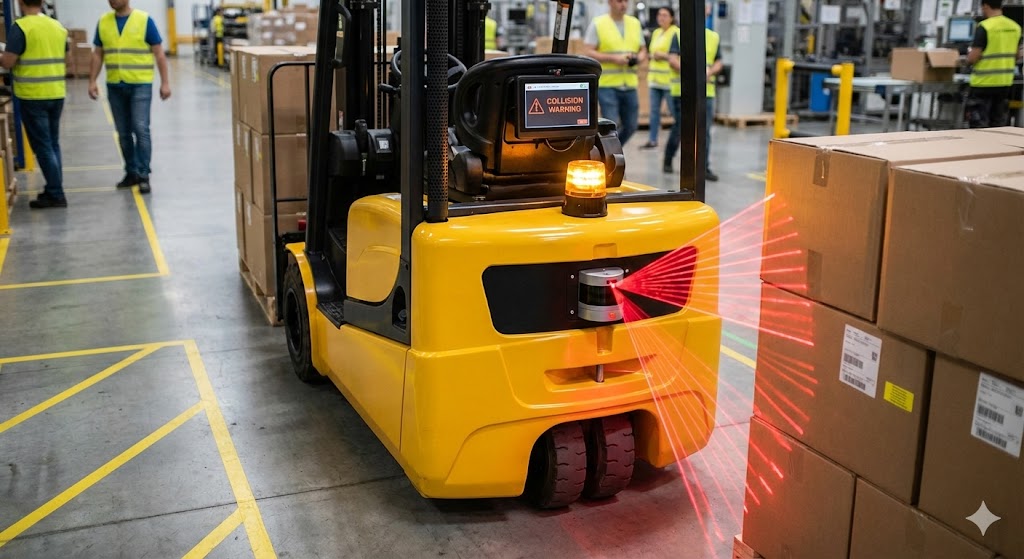
When selecting a counting laser sensor, several technical parameters must be carefully evaluated. First, consider the sensing range and spot size. The required working distance and the size of the smallest object to be detected will dictate these choices. A smaller, more focused spot allows for detecting finer details and higher precision counting. Second, the response time or switching frequency is critical for high-speed applications. This determines how quickly the sensor can detect an object and reset for the next one, directly impacting the maximum counting speed. Third, environmental robustness is essential. Look for sensors with high Ingress Protection (IP) ratings (e.g., IP67) to withstand dust, moisture, and washdowns. Resistance to ambient light interference, typically achieved with modulated laser light, is another key feature for stable operation under varying lighting conditions.
Output options and connectivity are equally important. Most sensors offer digital outputs like PNP/NPN or relay contacts to interface directly with Programmable Logic Controllers (PLCs), counters, or data acquisition systems. Some advanced models feature IO-Link connectivity for seamless parameter setting, diagnostics, and process data integration into Industry 4.0 frameworks. The physical housing design, whether cylindrical or rectangular, must suit the mounting constraints of the application.
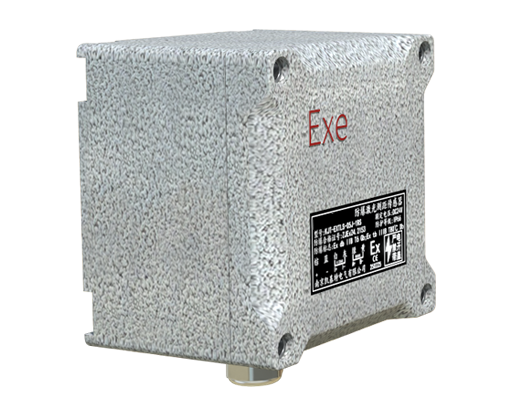
Installation and alignment are practical considerations that affect performance. Through-beam sensors require precise alignment of the transmitter and receiver, which can be facilitated by models with visible laser beams or alignment indicators. Diffuse sensors are easier to install as they are single units but require careful adjustment of the sensing range and sensitivity to avoid false triggers from background objects. Regular maintenance, primarily keeping the lenses clean from dust and debris, is necessary for long-term reliability.
In conclusion, counting laser sensors are vital components that enhance efficiency, accuracy, and traceability in automated processes. By understanding their operating principles, recognizing their diverse applications, and meticulously selecting sensors based on range, speed, environmental suitability, and connectivity, engineers can implement robust counting solutions. As technology advances, we can expect these sensors to become even more intelligent, with integrated data processing and enhanced communication capabilities, further solidifying their role in the smart factories of the future.