In the realm of industrial automation and machine design, proximity sensors are ubiquitous components, silently ensuring precision, safety, and efficiency. A common point of inquiry, often leading to some confusion, is the relationship between proximity sensors and inductive sensing. The straightforward answer is: Not all proximity sensors are inductive, but inductive sensing is the most prevalent technology for detecting metallic objects. To fully grasp this, we must delve into the working principles of various proximity sensor types.
At its core, a proximity sensor is a device that detects the presence or absence of an object within a specified range without physical contact. The term "proximity sensor" defines the function, not the technology. Several distinct physical principles are employed to achieve this non-contact detection, each with its own ideal applications and limitations.
1. Inductive Proximity Sensors
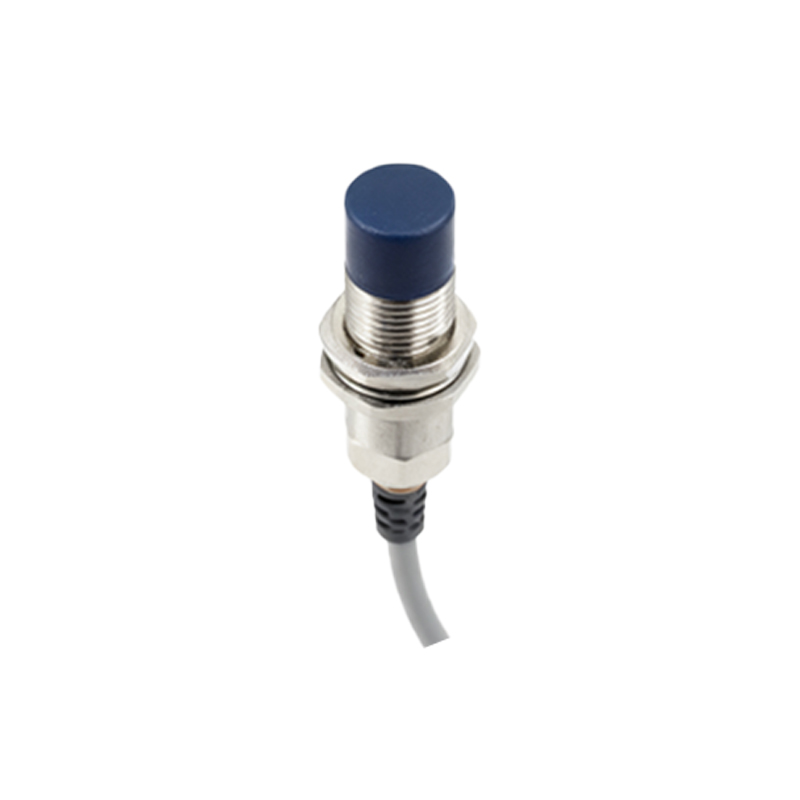
This is the technology most associated with the term. Inductive proximity sensors are specifically designed to detect ferrous and non-ferrous metals. Their operation is based on the principle of electromagnetic induction.
How they work: The sensor's active face contains a coil that is part of an oscillator circuit, generating a high-frequency electromagnetic field. When a metallic object enters this field, eddy currents are induced on the object's surface. These eddy currents draw energy from the sensor's oscillator, causing a change in its amplitude. This change is detected by a threshold circuit, which subsequently switches the sensor's output state (e.g., from OFF to ON).
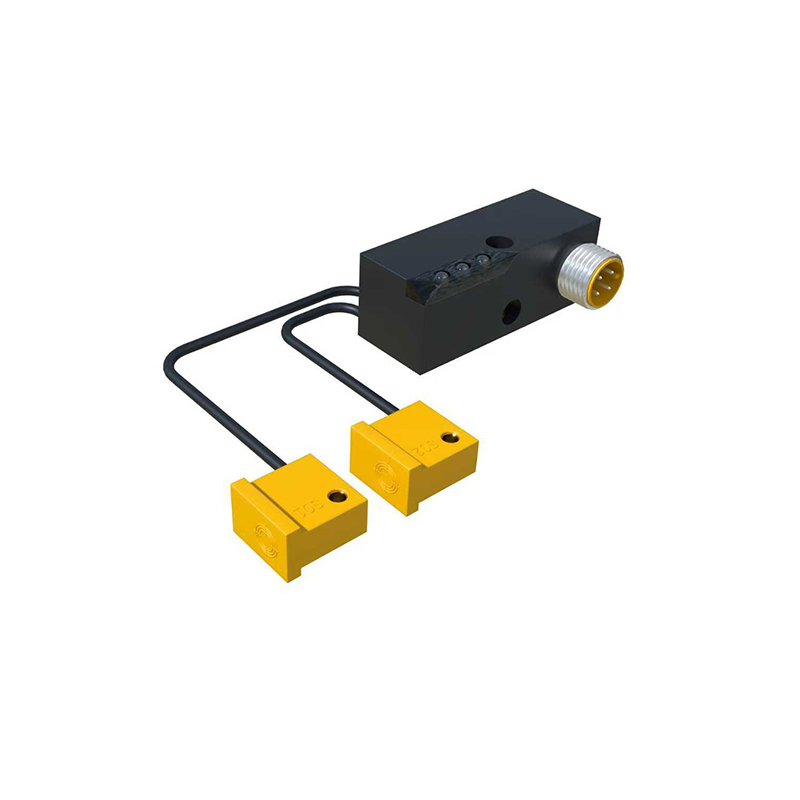
Key Characteristics: They only detect metals. Sensing range is influenced by the type of metal (ferrous metals like iron and steel are detected at longer ranges than non-ferrous metals like aluminum or copper). They are robust, resistant to dust, dirt, and oil splashes, and are ideal for harsh industrial environments. Common applications include position sensing of machine parts, limit switching, and counting metal objects.
2. Capacitive Proximity Sensors
These sensors can detect a much wider variety of materials, including metals, plastics, glass, liquids, and granular substances.
How they work: The sensor face acts as one plate of a capacitor, with the target object acting as the other plate. The sensor generates an electrostatic field. The introduction of any object with a different dielectric constant than air alters the capacitance of this system. This change is measured, and when it exceeds a set threshold, the output switches.
Key Characteristics: They detect both conductive and non-conductive materials. Sensitivity is often adjustable to ignore certain materials (like a container wall) and sense the material inside (like a liquid). Applications include liquid level detection, material handling for non-metals, and presence detection of plastics or wood.
3. Photoelectric Sensors
This category uses light beams (visible, infrared, or laser) for detection and is further divided into through-beam, retro-reflective, and diffuse (proximity) modes.
How they work: A light emitter sends out a beam. A receiver detects changes in this beam. In the diffuse mode, which functions as a true proximity sensor, the emitted light reflects off the target object back to the receiver. The sensor triggers when the reflected light intensity is sufficient.
Key Characteristics: They offer very long sensing ranges compared to inductive/capacitive sensors. They can detect virtually any object regardless of material, as long as it reflects or interrupts light. They are sensitive to environmental factors like dirt, fog, or highly reflective backgrounds. Used for object detection, counting, and registration across vast distances.
4. Ultrasonic Proximity Sensors
These sensors use sound waves beyond the human hearing range.
How they work: The sensor emits ultrasonic pulses and listens for the echo. By calculating the time between emission and reception of the reflected echo, it can determine the distance to an object.
Key Characteristics: They are excellent for detecting objects of any material, shape, or color, and are largely unaffected by dust, smoke, or light conditions. Ideal for distance measurement, level sensing of liquids or bulk solids, and detecting transparent objects (like glass) that challenge photoelectric sensors.
Conclusion: Inductive vs. Proximity
Therefore, it is more accurate to state that inductive sensing is a subset of proximity sensing technology. When an engineer specifies an "inductive proximity sensor," they are defining both the function (non-contact detection) and the technology (electromagnetic induction for metals). In contrast, a "photoelectric proximity sensor" serves the same functional purpose but uses a completely different physical principle.
Selecting the correct sensor hinges on a clear understanding of the target object's properties (metal, plastic, liquid), the required sensing distance, environmental conditions (dust, moisture, temperature), and the needed response speed. For the quintessential industrial task of detecting a metal