Proximity sensors are indispensable components in modern industrial automation, providing non-contact detection of objects for applications ranging from assembly line positioning to safety guarding. Despite their widespread adoption and technological advancements, these sensors are not immune to inherent defects and operational limitations that can compromise system reliability and efficiency. Understanding these shortcomings is crucial for engineers and system integrators to implement robust solutions and select the appropriate sensor type for a given environment.
One of the most prevalent defects stems from environmental interference. Inductive proximity sensors, which detect metallic objects, are notoriously susceptible to electromagnetic interference (EMI) generated by nearby motors, variable frequency drives (VFDs), or welding equipment. This EMI can induce false triggering or cause the sensor to become unstable, leading to production errors. Similarly, capacitive sensors, designed to detect a wider range of materials including liquids and plastics, can be adversely affected by changes in ambient humidity, temperature fluctuations, or the presence of airborne contaminants like dust or oil mist. These factors alter the dielectric constant in the sensing field, resulting in inconsistent detection ranges and unreliable operation.
Another significant limitation is the issue of sensing range and material dependency. The nominal sensing distance specified by manufacturers is typically calibrated under ideal laboratory conditions using a standard target, such as a mild steel square for inductive sensors. In practice, the effective sensing distance can be drastically reduced when detecting different materials. For instance, an inductive sensor's range decreases when sensing aluminum or copper compared to steel. Capacitive sensors exhibit variability based on a material's density and dielectric properties. This inconsistency necessitates meticulous on-site tuning and often requires a safety margin in positioning, which can limit design flexibility and increase installation complexity.
Sensor mounting and mechanical installation present further challenges. The sensing field of a proximity sensor is not a perfectly defined cylinder or rectangle; it has a specific shape that can include side lobes or a conical front field. Improper mounting near metal surfaces (for inductive types) or other objects can cause shielding or masking effects, effectively reducing the operational range or causing permanent damage due to eddy currents. Vibration in harsh industrial settings can loosen mounting hardware, gradually misaligning the sensor and leading to intermittent failures that are difficult to diagnose. Furthermore, physical damage from collisions with machinery or objects, while a user error, is a common failure mode, especially for non-flush mountable sensors that have exposed active faces.
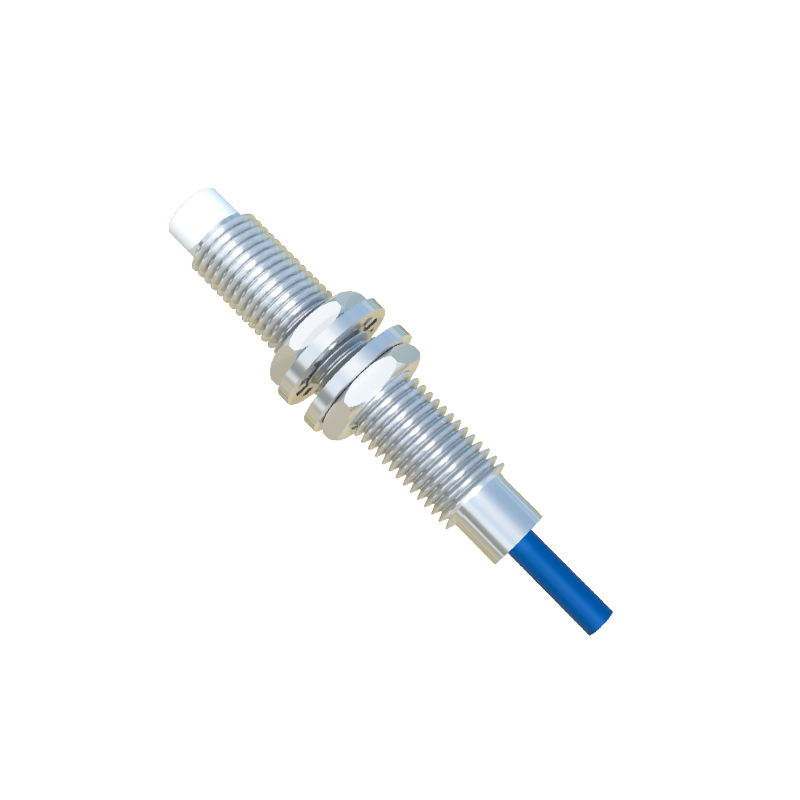
Electrical characteristics and compatibility issues also contribute to defects. Many DC-powered proximity sensors exhibit a residual current or leakage current when in the "off" state. While small, this current can be sufficient to inadvertently activate a highly sensitive PLC input module, causing a false "on" signal. Conversely, insufficient load current in the "on" state might not reliably switch a load, a problem known as "contact wetting" in relay contexts. Voltage spikes from inductive loads (like solenoids or relays) connected to the sensor's output can cause premature failure of the sensor's internal solid-state switching element. Ensuring proper surge suppression and correct wiring is often overlooked during installation, leading to field failures.
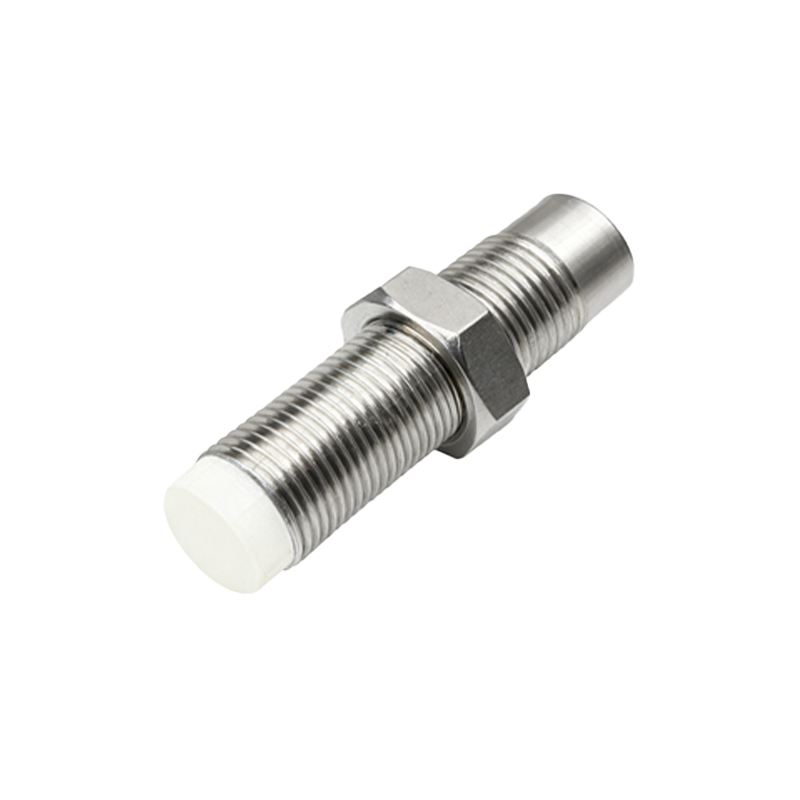
Finally, a fundamental limitation lies in the basic operating principle. Standard proximity sensors provide a simple binary output: an object is either present or not within the sensing range. They cannot distinguish between different objects, measure exact distance (unless specifically designed as analog sensors), or identify the object's orientation. For more complex tasks requiring discrimination, precise positioning, or speed measurement, engineers must resort to more sophisticated and expensive vision systems or specialized sensors. The "blind zone" immediately in front of the sensor face, where detection is impossible, also imposes design constraints.
In conclusion, while proximity sensors are robust and reliable workhorses, their performance is contingent on a careful consideration of the application environment, target material, electrical network, and mechanical setup. Defects often arise not from sensor failure per se, but from a mismatch between the sensor's capabilities and the real-world operating conditions. Mitigation strategies include selecting sensors with appropriate environmental ratings (IP, NEMA), implementing EMI shielding and filtering, using correct mounting accessories, following electrical best practices, and applying generous safety factors to sensing distances. A thorough understanding of these inherent defects is the first step toward designing fault-tolerant and highly reliable automated systems.