As an electrical engineer with over two decades of experience in industrial automation and control systems, I am frequently asked by colleagues and clients: "Where is the best place to buy proximity sensors?" The answer, as with most engineering components, is not a simple one. It depends heavily on the specific application, required specifications, budget constraints, and supply chain logistics. This guide will navigate the primary procurement channels, outlining their respective advantages and considerations for the professional engineer.
The most traditional and often reliable channel is through authorized distributors. Major manufacturers like Siemens, Omron, Schneider Electric, Pepperl+Fuchs, and Balluff maintain extensive global networks of certified distributors. Purchasing from these sources guarantees genuine products, full technical support, and access to comprehensive documentation including datasheets, CAD models, and certificates of conformity. For critical applications in manufacturing, automotive, or food and beverage industries, where sensor failure can lead to significant downtime, this assurance is paramount. Distributors also provide valuable value-added services such as configuration assistance, lifecycle management, and local inventory, which can drastically reduce lead times. The primary trade-off is cost; buying through the official distribution chain typically carries a premium.
For projects with tighter budgets or less critical performance requirements, industrial component suppliers and broad-line electronics retailers present an alternative. Companies like RS Components, Digi-Key, and Mouser Electronics aggregate products from hundreds of manufacturers. Their strengths lie in immense selection, competitive pricing due to high-volume operations, and user-friendly online platforms with powerful parametric search tools. Engineers can quickly compare specifications, prices, and availability across dozens of brands. However, the level of manufacturer-specific technical support may be less direct. Furthermore, while these suppliers vet their sources, the onus is slightly more on the engineer to verify the exact model and compatibility for a niche application. They are excellent for prototyping, small-batch orders, or sourcing obsolete or hard-to-find parts.
The rise of e-commerce marketplaces, notably Amazon Business and eBay, has also impacted industrial procurement. These platforms can offer astonishingly low prices and fast shipping for common inductive or capacitive proximity sensor types. For a non-critical replacement in a lab setup or an educational project, they can be sufficient. However, for professional industrial use, I exercise extreme caution. The risk of receiving counterfeit, refurbished, or sub-spec components is significantly higher. Sensor performance characteristics like sensing distance, repeat accuracy, temperature rating, and housing material may not meet the advertised standards. The lack of reliable technical data and traceability makes them unsuitable for any safety-related or process-critical installation. If using this channel, scrutinize seller ratings, insist on detailed datasheets, and rigorously test the sensors before deployment.
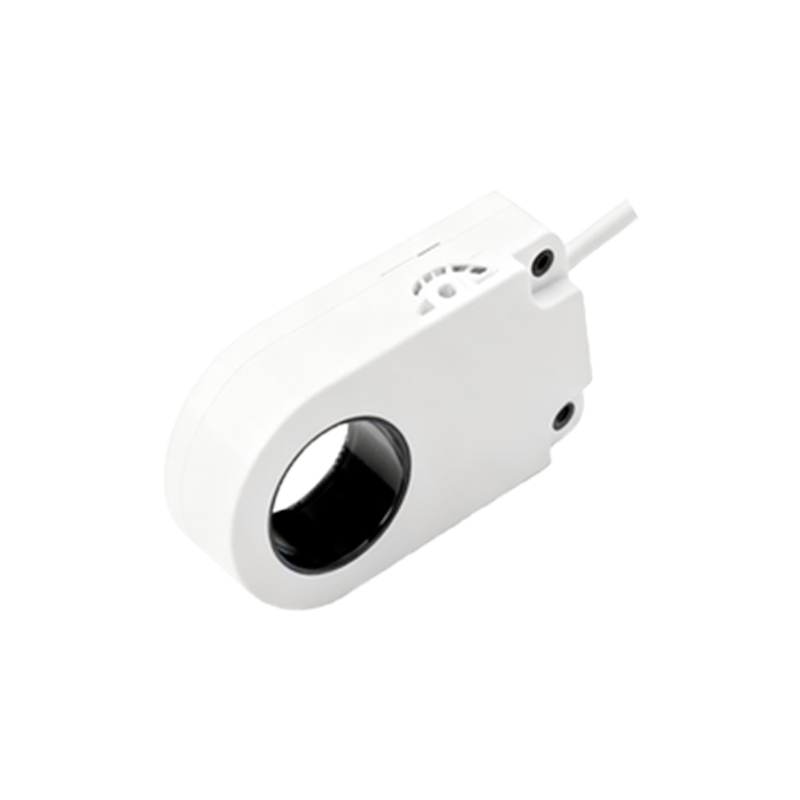
Beyond these channels, direct purchasing from manufacturers is an option for very large volume orders or highly customized solutions. Some manufacturers also operate their own online stores for smaller quantities. Additionally, specialized surplus and refurbished equipment dealers can be a source for discontinued models needed to maintain legacy machinery.
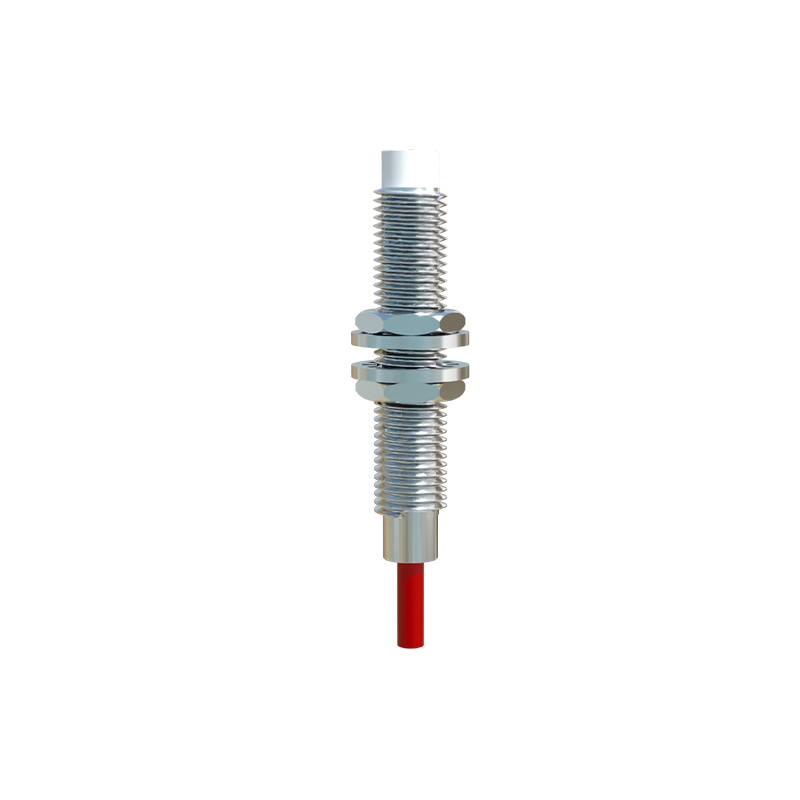
The decision matrix should consider several key factors. First, define the Application Criticality. Is it for a high-speed packaging line, a safety interlock, or a simple object detection task? Second, evaluate the Total Cost of Ownership (TCO). The initial purchase price is just one component; consider potential downtime costs, maintenance, and the value of technical support. Third, assess the Supply Chain Stability. Can your supplier guarantee consistent availability and deliver within your required timeframe? Finally, never underestimate the importance of Documentation and Traceability. Certified calibration reports, material certificates, and explosion-proof ratings (for hazardous areas) are often non-negotiable and typically only available through authorized channels.
In conclusion, there is no single "best" place to buy proximity sensors. For mission-critical, high-performance applications in professional settings, authorized distributors remain the gold standard, balancing product authenticity with expert support. For general-purpose use, prototyping, and cost-sensitive projects, reputable broad-line industrial suppliers offer an excellent balance of choice and convenience. Marketplaces should be approached with a strategy reserved for non-critical needs only. As engineers, our purchasing decisions must be as calculated and specification-driven as our design choices, ensuring reliability, safety, and performance on the factory floor.