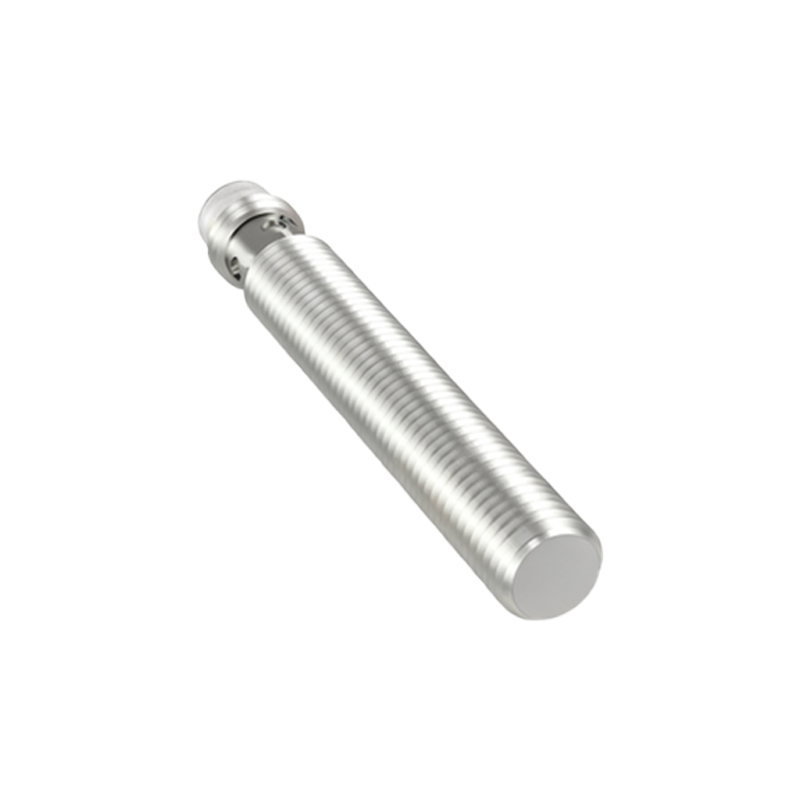
In the demanding landscape of modern industrial automation, cryogenic environments present a unique set of challenges for sensing technology. Supplying reliable and precise proximity sensors capable of operating in extreme low temperatures is not merely an option but a critical necessity for sectors such as liquefied natural gas (LNG) processing, superconducting magnet systems, aerospace testing, and advanced cryogenic research. Standard inductive or capacitive proximity sensors often fail under these conditions due to material embrittlement, seal failure, or electronic component malfunction. This article delves into the engineering principles, selection criteria, and supply chain considerations for high-performance cryogenic proximity sensors.
The core challenge in cryogenic sensing lies in maintaining operational integrity at temperatures typically ranging from -40°C down to -196°C (liquid nitrogen temperature) and even lower. Sensor construction must address multiple failure points. Firstly, housing materials are paramount. Standard plastics become brittle, while certain metals may undergo undesirable phase changes. Suppliers must utilize specialized stainless-steel alloys, such as 300 series, or engineered polymers like PTFE (Teflon) that retain toughness and dimensional stability. Secondly, internal seals and O-rings, typically made from nitrile or silicone, can harden and crack. The solution involves employing perfluoroelastomers (FFKM) or specially formulated ethylene propylene diene monomer (EPDM) compounds designed for ultra-low temperature flexibility.
The sensing element itself requires careful engineering. For inductive proximity sensors, the coil winding and ferrite core must have compatible thermal expansion coefficients to prevent cracking. The oscillator circuit needs components rated for the full temperature range. Capacitive sensors designed for cryogenic service often use vacuum-sealed or inert gas-filled chambers to prevent condensation and ice formation on the sensing face, which would drastically alter the dielectric constant and cause false triggering. Furthermore, the electronic circuitry, often housed in a separate, less harsh environment, must be connected via cables that remain flexible at low temperatures. Teflon-insulated cables are the industry standard for such applications.
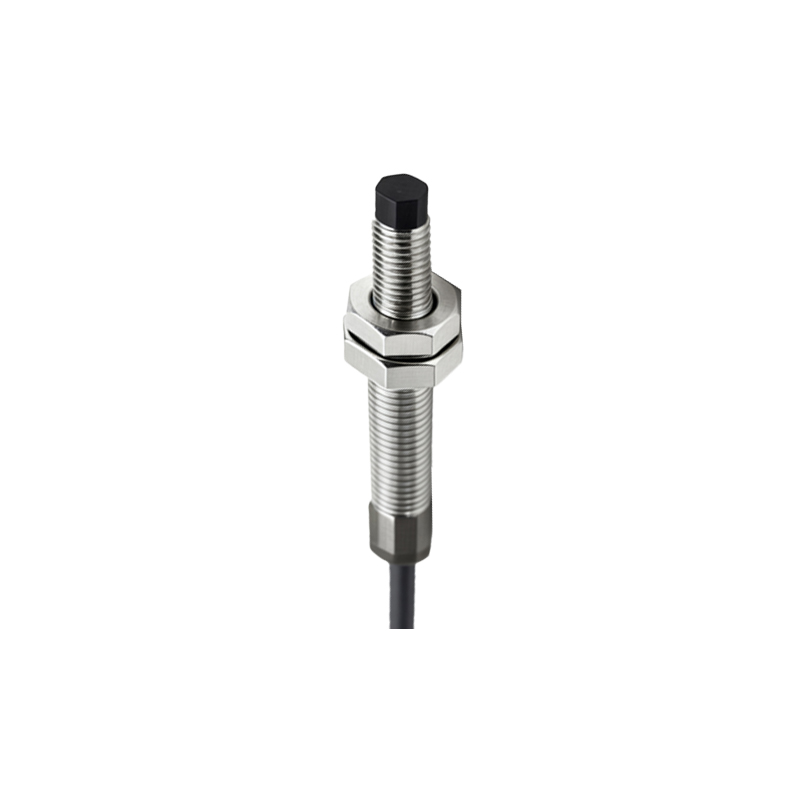
When sourcing or supplying these sensors, key performance specifications must be rigorously evaluated. The rated operating temperature range is the foremost criterion; it must encompass both the minimum process temperature and any potential thermal cycling. The temperature coefficient, indicating how much the sensing distance or output signal drifts with temperature change, should be minimal. Enclosure ratings (e.g., IP67, IP69K) remain crucial for protection against moisture, which can instantly freeze and cause damage. The sensing distance may be slightly reduced compared to standard models due to material properties at low temperatures, and this derating factor must be clearly documented by the supplier.
Another critical aspect is the output configuration. While standard PNP/NPN outputs are common, the long cable runs often necessary in cryogenic plants can introduce signal attenuation. Analog current outputs (4-20 mA) or digital fieldbus protocols (e.g., IO-Link) offer greater noise immunity and diagnostic capabilities, which are invaluable for predictive maintenance in remote or hazardous locations. Suppliers must provide comprehensive documentation, including detailed material certifications, test reports from independent cryogenic chambers, and failure mode analysis.
The supply chain for these specialized components demands reliability and technical expertise. A reputable supplier does not merely stock a product but engages in a consultative process. They should possess deep application knowledge to assist in sensor selection, installation guidance (e.g., avoiding thermal short circuits through mounting brackets), and post-installation support. Lead times can be longer due to custom manufacturing and rigorous testing protocols. Therefore, establishing a partnership with a supplier that has a proven track record in cryogenic applications is essential for operational continuity.
In conclusion, supplying proximity sensors for cryogenic environments is a highly specialized field grounded in materials science, precision engineering, and a thorough understanding of end-user processes. The right sensor ensures safety, prevents costly downtime in multi-million dollar facilities, and enables the advancement of cutting-edge technologies. By focusing on robust material selection, precise performance specifications, and partnering with technically adept suppliers, engineers can secure the reliable sensing solutions required to master the extreme cold.