In the rapidly evolving landscape of modern electronics, the precise and reliable detection of an object's presence near a screen has become a cornerstone of user interface design and device functionality. This is where proximity sensors, particularly those governing screen position, play a pivotal and often underappreciated role. Their integration is fundamental to creating intuitive, energy-efficient, and durable devices across smartphones, tablets, laptops, automotive infotainment systems, and industrial HMIs.
At its core, a proximity sensor for screen positioning is designed to detect the presence of a nearby object, typically a user's face or hand, without physical contact. The most prevalent technology employed is the infrared (IR) LED and photodiode pair. The IR LED emits an invisible infrared light beam. When an object enters the detection field, it reflects part of this beam back to the photodiode. The sensor's circuitry measures the intensity of the reflected light, and when it crosses a predefined threshold, it signals the presence of an object. This simple principle enables a multitude of smart functionalities.
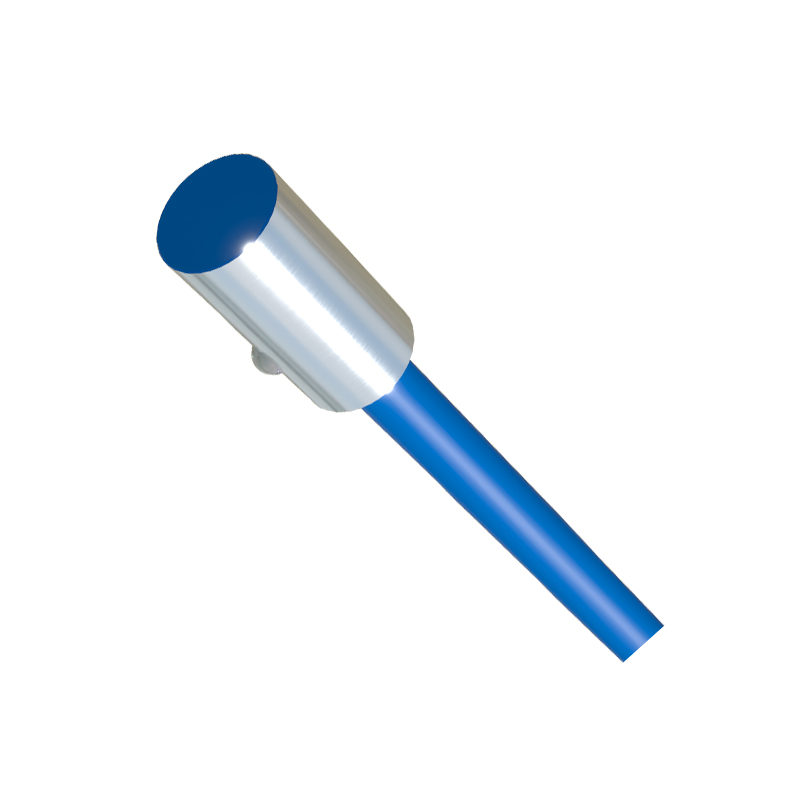
The primary and most ubiquitous application is in smartphones for call management. When a user brings the phone to their ear during a call, the proximity sensor detects the closeness of the head and signals the system to turn off the touchscreen display. This serves a dual purpose: it prevents accidental touch inputs (like muting the call or pressing dial pad buttons with the cheek) and conserves battery power by disabling the backlight. Upon moving the phone away, the sensor detects the absence and promptly restores the screen, ensuring seamless interaction. This functionality is critical for user experience and device reliability.
Beyond telephony, screen position proximity sensing is integral to power saving and interactive features. Many devices use a "pocket mode" or "proximity wake" feature. Here, the sensor continuously monitors the environment when the device is asleep. If it detects an object extremely close (simulating being in a pocket or bag), it keeps the screen firmly off to prevent accidental activations and battery drain. Conversely, waving a hand over the sensor while the device is on a table can trigger a display of notifications or a preview without fully unlocking the device, a feature seen in many flagship smartphones and laptops.
In automotive applications, the stakes are even higher. Proximity sensors are used in center console touchscreens to detect a hand approaching. This can trigger the UI to switch to a larger, more driver-friendly icon layout or activate backlighting for physical buttons adjacent to the screen, enhancing safety by minimizing visual distraction. This "reach detection" creates a more context-aware and responsive human-machine interface.
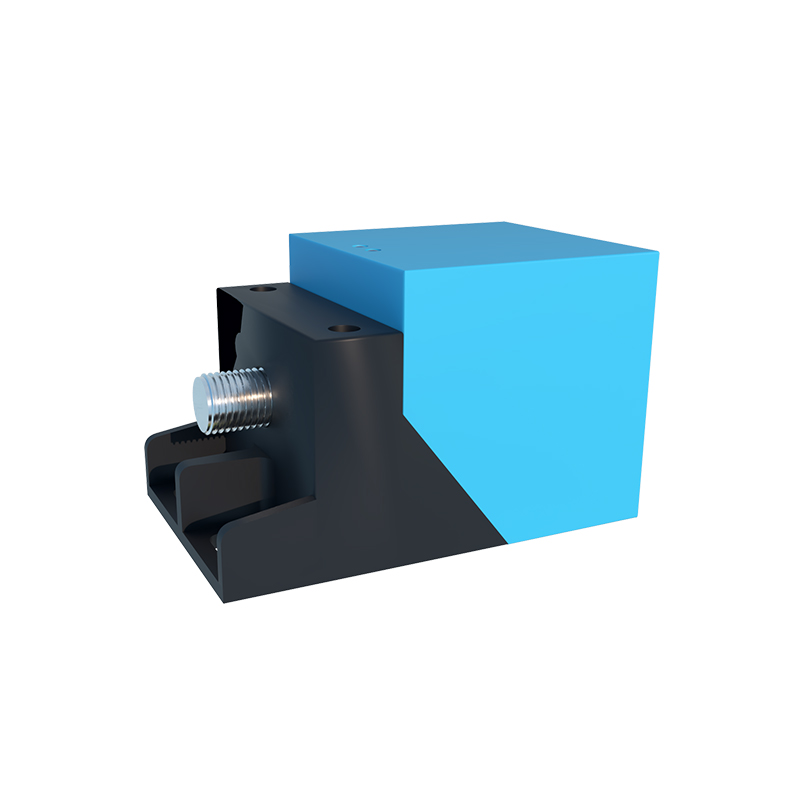
The engineering considerations for implementing these sensors are multifaceted. Sensor Placement is paramount. It must be strategically located—often within the device's bezel, under a perforated or infrared-transparent window—to have an unobstructed field of view while being aesthetically discreet. Incorrect placement can lead to false triggers or failure to detect. Calibration and Algorithms are equally crucial. The sensor must be calibrated during manufacturing to account for variations in component tolerance and the optical properties of the cover material (glass, plastic). Sophisticated firmware algorithms are employed to filter out ambient infrared noise from sunlight or artificial lighting and to distinguish between a deliberate gesture and transient environmental changes. Field of View (FOV) and Detection Range must be meticulously tuned. A too-narrow FOV might miss the target; a too-wide one might cause false triggers from objects not directly in front of the screen. The typical detection range for these applications is short, usually from a few millimeters up to 10 centimeters.

Emerging technologies are pushing the boundaries further. Time-of-Flight (ToF) sensors, which measure the time for light to reflect back, offer more precise distance measurement, enabling finer gestures. Some systems now combine a simple IR proximity sensor with a capacitive touchscreen's native ability to sense a hovering finger, creating a multi-layered interaction zone. Furthermore, sensor fusion—integrating data from the proximity sensor, accelerometer, and ambient light sensor—allows the system to make more intelligent context-aware decisions, such as disabling the screen-turn-off during a call if the phone is on a desk in speakerphone mode.
In conclusion, the proximity sensor governing screen position is a silent workhorse of modern electronics. Its role transcends simple on/off toggling; it is an enabler of intuitive interaction, significant power conservation, and enhanced device durability. As user interfaces continue to evolve towards more seamless and invisible interactions, the precision, reliability, and intelligence of these sensors will remain a critical focus for electrical engineers and product designers, ensuring our devices are not only smart but also thoughtfully responsive to our presence.