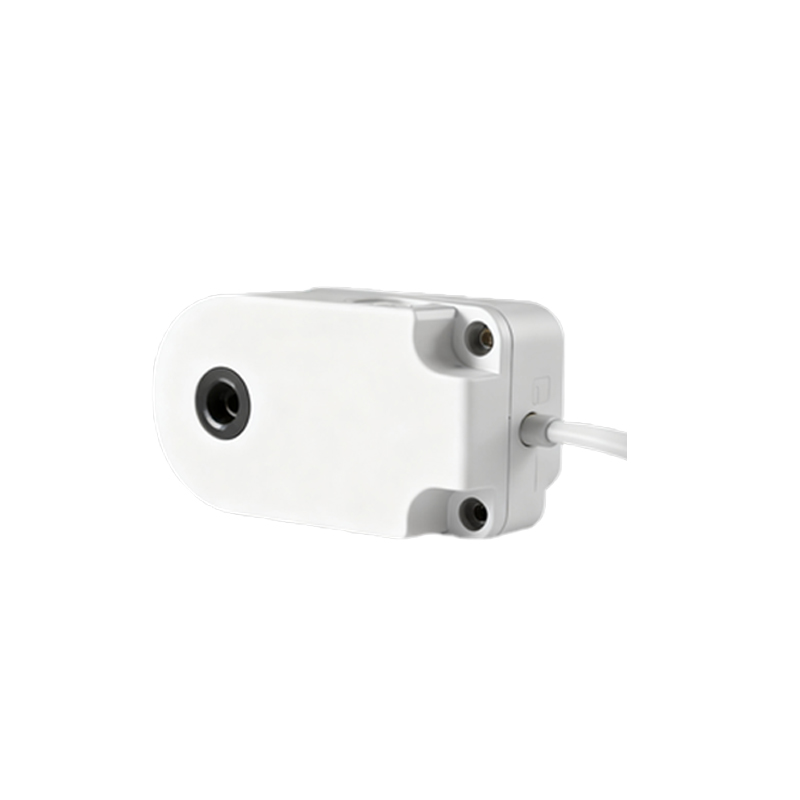
Proximity sensors are indispensable components in modern industrial automation, offering non-contact detection of objects without physical interaction. A well-structured demonstration is crucial for engineers and technicians to understand sensor capabilities, optimize installation, and troubleshoot effectively. This article outlines professional demonstration methods for various proximity sensor types, including inductive, capacitive, and photoelectric sensors, tailored to industrial environments.
First, establish a controlled demonstration setup. Use a stable test bench with adjustable mounting brackets to simulate real-world conditions. For inductive sensors, designed to detect metallic objects, prepare a set of standard metal targets (e.g., mild steel, aluminum, copper) of varying thicknesses and shapes. Power the sensor with its specified voltage (commonly 10-30 V DC) via a regulated power supply. Connect the output to an indicator, such as an LED or a relay, and a multimeter to monitor switching behavior. Demonstrate the sensing range by gradually moving a metal target toward the sensor face. Record the point where the output activates—this is the effective sensing distance. Highlight factors influencing performance, like target material, size, and approach axis. For instance, steel typically achieves the nominal range, while aluminum or copper may reduce it by 30-50%. Show how embedding the sensor in metal (flush mounting) versus non-metal (non-flush) affects the detection field, using mounting diagrams to illustrate.
For capacitive proximity sensors, which detect both metallic and non-metallic materials, include diverse samples like plastic, glass, wood, and liquids. Set up the sensor with adjustable sensitivity, often via a potentiometer. Demonstrate detection of a plastic container filled with water, emphasizing the sensor's ability to sense through non-conductive barriers. Adjust sensitivity to avoid false triggers from environmental changes like humidity or dust. Compare response times by moving objects at different speeds, using an oscilloscope to capture signal latency if available. This showcases applications in level detection or material handling.
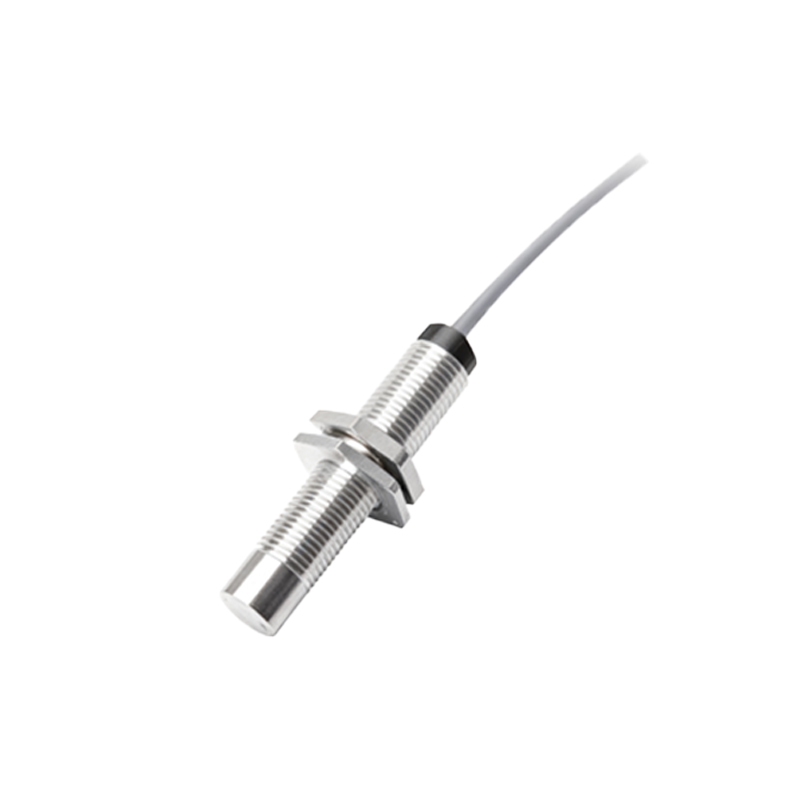
Photoelectric sensors require a focus on optical alignment and environmental factors. Use a retroreflective model for simplicity: position a reflector opposite the sensor and introduce obstacles to break the beam. Demonstrate diffuse models by detecting objects without a reflector, noting the impact of color and surface texture on range—dark surfaces absorb light, reducing distance. For through-beam types, align emitter and receiver precisely, highlighting the importance of stability in high-vibration areas. Introduce ambient light interference using a flashlight to show how modulated light filters out noise. Include demonstrations in varying lighting conditions to simulate factory floors.
Incorporate practical scenarios: simulate conveyor belt detection with moving targets, or demonstrate counting operations with a rotating gear. Use programmable logic controllers (PLCs) to integrate sensor signals, showing how outputs trigger actions like stopping a motor or activating a warning light. Emphasize safety: always de-energize equipment during setup, and follow lockout-tagout procedures. Discuss troubleshooting steps, such as checking wiring, voltage drops, and sensor contamination. Provide tips for maintenance, like regular lens cleaning for photoelectric sensors or avoiding metal shavings near inductive units.
Document findings with data logs, including sensing distances under different conditions, response times, and environmental tolerances. This empirical approach aids in selecting the right sensor for specific applications, such as machine guarding, assembly line automation, or packaging systems. Conclude by stressing the value of hands-on demonstrations in training and validation, ensuring reliable sensor deployment in industrial settings. By mastering these methods, engineers can enhance system efficiency, reduce downtime, and improve safety across operations.