In the intricate world of industrial automation and machinery, proximity sensors stand as silent sentinels, enabling precise, non-contact detection of objects. For engineers, maintenance technicians, and procurement specialists, knowing where to find the right proximity sensor is as crucial as understanding its function. This guide provides a detailed roadmap to sourcing these essential components, catering specifically to the needs of the electrical and automation industries.
The primary and most reliable source for proximity sensors is through authorized distributors and direct manufacturers. Major global manufacturers like Siemens, Omron, Schneider Electric, Rockwell Automation (Allen-Bradley), and Pepperl+Fuchs maintain extensive networks of industrial distributors. These distributors, often region-specific, stock a wide range of inductive, capacitive, ultrasonic, and photoelectric sensors. Purchasing through authorized channels guarantees genuine products, access to technical datasheets, compliance certificates (e.g., ATEX, IEC), and full manufacturer warranty and support. For large-scale OEM projects or highly customized applications, engaging directly with the manufacturer's sales engineering team is advisable. They can provide application-specific solutions, sample units for testing, and detailed configuration support.
Beyond traditional distributors, specialized industrial automation suppliers and catalog houses play a significant role. Companies like RS Components, Digi-Key, and Newark (element14) offer vast online catalogs with comprehensive filtering options based on sensing type, sensing distance, output configuration (PNP/NPN, NO/NC), housing material, and connection type (e.g., M8, M12 connectors). These platforms are invaluable for research, comparing specifications across brands, and procuring sensors for prototyping, maintenance, or urgent replacement needs. Their detailed parametric search engines allow engineers to find a sensor matching exact electrical and mechanical requirements swiftly.
For those seeking cost-effective alternatives or dealing with legacy systems, the industrial surplus and refurbished market is a viable avenue. Certain specialized electronic component suppliers and online marketplaces deal in surplus stock from closed factories or overstocked inventories. While this can be a source for hard-to-find models or budget options, extreme caution is necessary. Verify the seller's reputation, insist on testing data if available, and be aware that warranties may be limited or non-existent. This source is generally more suitable for non-critical applications or stop-gap measures.
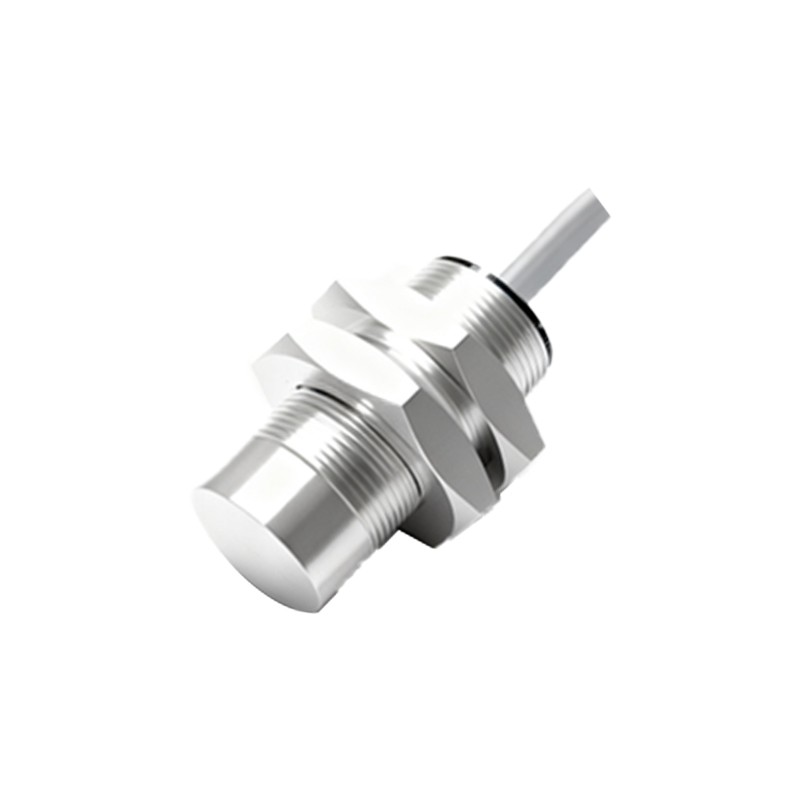
Integration is key in modern systems. Therefore, another critical "place" to find proximity sensors is within the ecosystem of a specific Programmable Logic Controller (PLC) or automation platform. Many system integrators and panel builders prefer to source sensors that are natively compatible with their chosen PLC brand's I/O modules and software ecosystem. For instance, a system built on Siemens SIMATIC controllers might seamlessly integrate with Siemens or Siemens-certified sensors using PROFINET or IO-Link communication, simplifying configuration and diagnostics. In this context, the sensor is found as part of a holistic system solution rather than an isolated component.
Furthermore, with the rise of Industry 4.0 and the Industrial Internet of Things (IIoT), sensors are increasingly found embedded within smart machinery and offered as part of a service. Original Equipment Manufacturers (OEMs) of complex machines often use proprietary or specially selected sensors. Sourcing replacements or spares then involves contacting the machine OEM directly or their designated parts distributors. These sensors are often integral to the machine's warranty and performance guarantees.
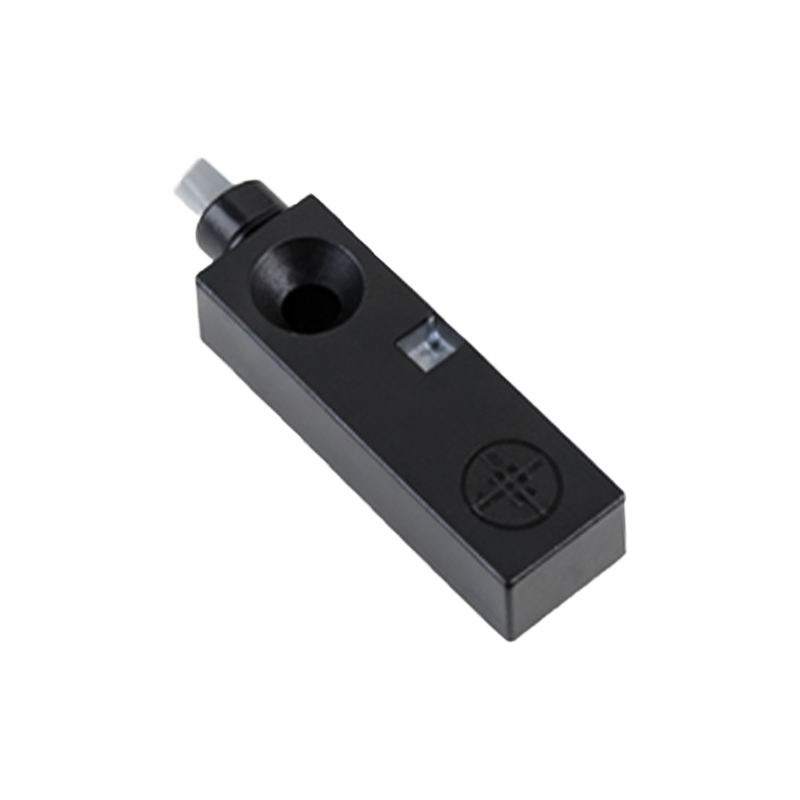
In conclusion, the question of "where to find proximity sensors" has multiple answers, each suited to different project phases, requirements, and constraints. For guaranteed performance and support, authorized distributors and manufacturers are the cornerstone. For broad selection and research, major industrial catalogs are essential tools. Niche requirements may lead to surplus markets or direct OEM channels. Ultimately, the best source aligns with your specific need for quality, technical support, delivery time, and total cost of ownership. Always prioritize suppliers that provide clear technical documentation, ensuring the sensor's specifications—such as nominal sensing distance, hysteresis, and temperature rating—precisely match your application's demands to ensure system reliability and safety.