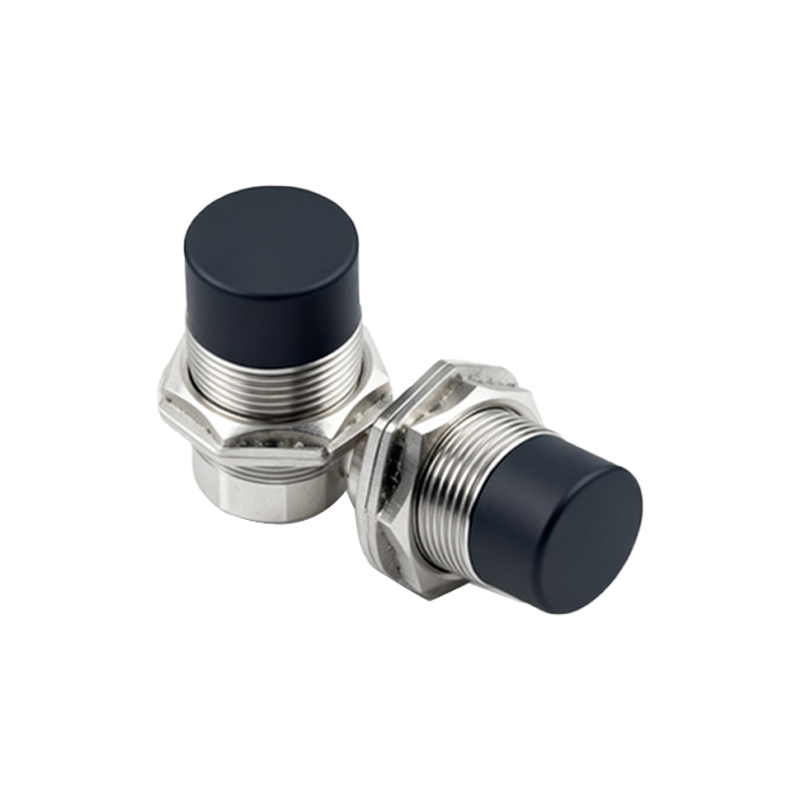
In today's rapidly evolving industrial landscape, the demand for precision, reliability, and adaptability in automation systems has never been higher. Proximity sensors, as critical components in these systems, often require customization to meet specific operational challenges. A dedicated custom proximity sensor shop serves as a vital partner for engineers and project managers seeking tailored sensing solutions. Unlike off-the-shelf models, custom-designed proximity sensors can be engineered to address unique environmental conditions, physical space constraints, target material characteristics, and communication protocol requirements.
The process of customization typically begins with a comprehensive consultation. Experienced engineers at a specialized shop will analyze the application's parameters, such as required sensing range, operating temperature extremes, exposure to chemicals or washdowns, and necessary housing materials like stainless steel or PBT plastic. For instance, in food and beverage manufacturing, sensors may need IP69K ratings for high-pressure, high-temperature cleaning, while in metalworking, they might require enhanced immunity to electromagnetic interference from nearby welding equipment.
Technical customization extends to the sensor's core functionality. Options include adjusting the switching frequency for high-speed detection on packaging lines, selecting between inductive, capacitive, or magnetic operating principles based on the target material, or integrating specific output types like NPN, PNP, analog, or IO-Link for seamless PLC integration. The physical form factor is equally important; sensors can be designed in miniature sizes for tight robotic grippers, in cylindrical or rectangular housings with custom mounting threads, or with extended sensing faces for non-flush installation.
A reputable custom shop leverages advanced simulation and prototyping tools. Using 3D modeling and finite element analysis, engineers can predict sensor performance in the proposed environment before manufacturing a single unit. Rapid prototyping allows for real-world testing and iterative refinement, ensuring the final product delivers optimal accuracy and longevity. This phase is crucial for applications with stringent safety or performance regulations, such as in automotive assembly or pharmaceutical production.
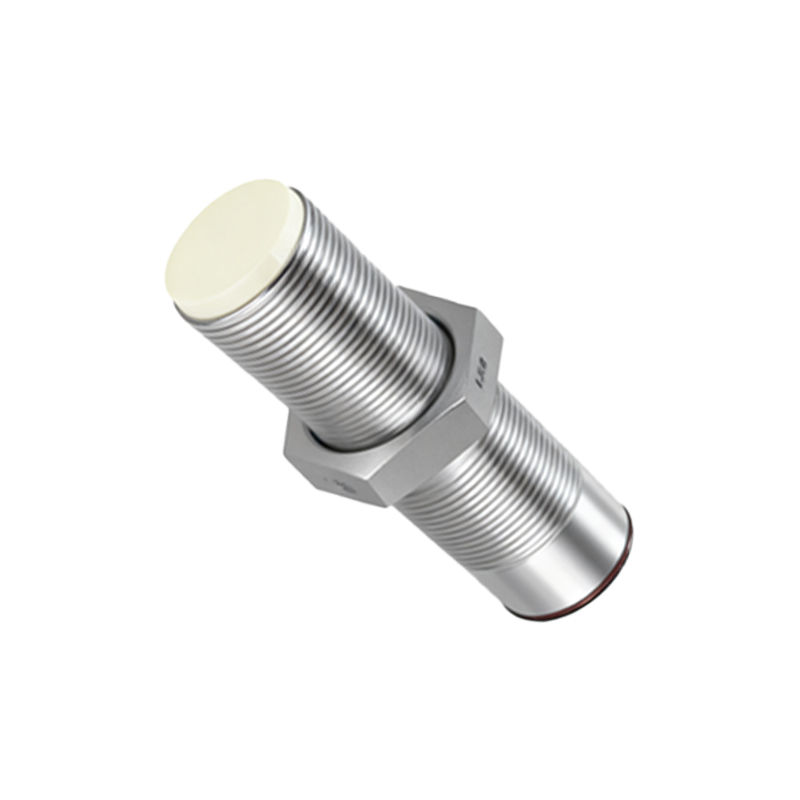
Beyond the initial design, a full-service provider offers value through comprehensive support. This includes detailed documentation, calibration certificates, and lifecycle management. For large-scale automation projects, the shop might develop a family of sensor variants to maintain consistency across a production line. Furthermore, with the rise of Industry 4.0, customization now often involves embedding smart diagnostics and predictive maintenance features, enabling sensors to communicate their health status and streamline plant operations.
Choosing the right partner for custom proximity sensors is a strategic decision. It requires a supplier with deep domain expertise, a proven track record in industrial applications, and a flexible manufacturing approach. The investment in a custom solution, while sometimes higher upfront than standard sensors, pays dividends through reduced downtime, increased production efficiency, and enhanced system integration. Ultimately, a custom proximity sensor shop does not merely sell a component; it delivers a engineered sensing solution that becomes a seamless and reliable part of a larger, more intelligent industrial ecosystem.