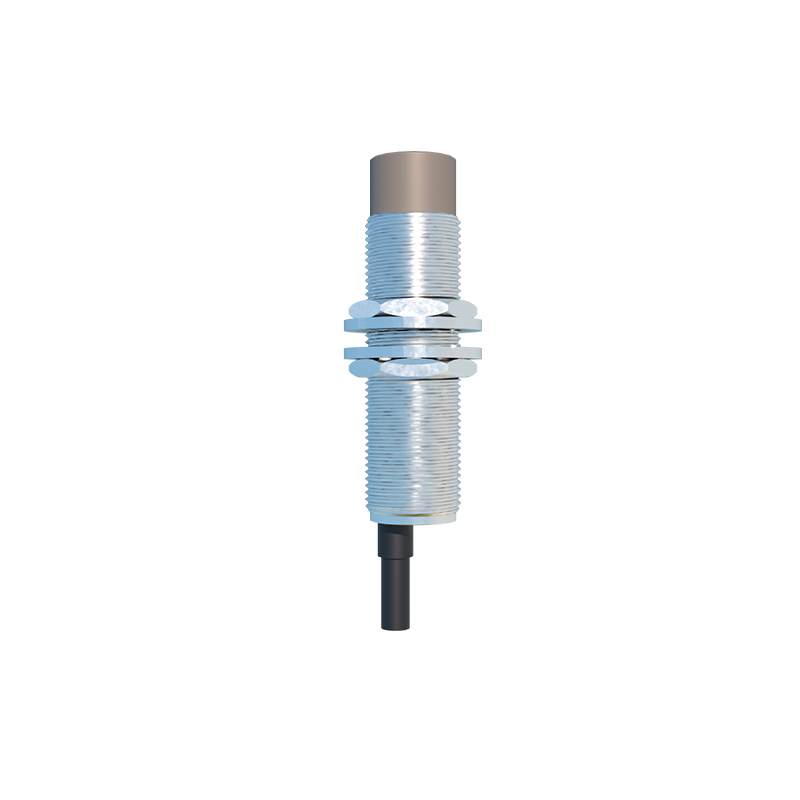
Proximity sensors are widely used in industrial automation for non-contact detection of objects, but detecting aluminum presents unique challenges due to its material properties. Unlike ferrous metals, aluminum is non-magnetic and has low electrical conductivity compared to metals like copper or steel. This affects the performance of common inductive proximity sensors, which rely on electromagnetic fields to detect metallic objects. Standard inductive sensors often struggle with aluminum because its conductivity can cause eddy currents that interfere with detection, leading to reduced sensing ranges or false triggers.
To address these issues, specialized aluminum-detection proximity sensors have been developed. These sensors typically operate at higher frequencies or incorporate compensation algorithms to account for aluminum's lower conductivity and non-ferromagnetic nature. For instance, factor-1 inductive sensors are designed to detect all metals, including aluminum, at the same sensing range, whereas standard sensors may have reduced ranges for non-ferrous metals. Another solution is the use of capacitive proximity sensors, which can detect aluminum based on its dielectric constant, though they are more sensitive to environmental factors like humidity or contamination.
In practical applications, selecting the right sensor involves considering factors such as the specific aluminum alloy, surface condition, and required sensing distance. Anodized or coated aluminum surfaces may further complicate detection, as coatings can act as insulators. Engineers often recommend testing sensors on-site to ensure reliability. Additionally, high-frequency inductive sensors with shielding can minimize interference from surrounding metals, making them suitable for conveyor systems or robotic arms handling aluminum parts.
Maintenance and calibration are also critical. Regular checks for sensor alignment and environmental changes help maintain accuracy. In industries like automotive or aerospace, where aluminum components are prevalent, using sensors with temperature stability ensures consistent performance in varying conditions. Some advanced models feature IO-Link communication for real-time diagnostics, enabling predictive maintenance and reducing downtime.
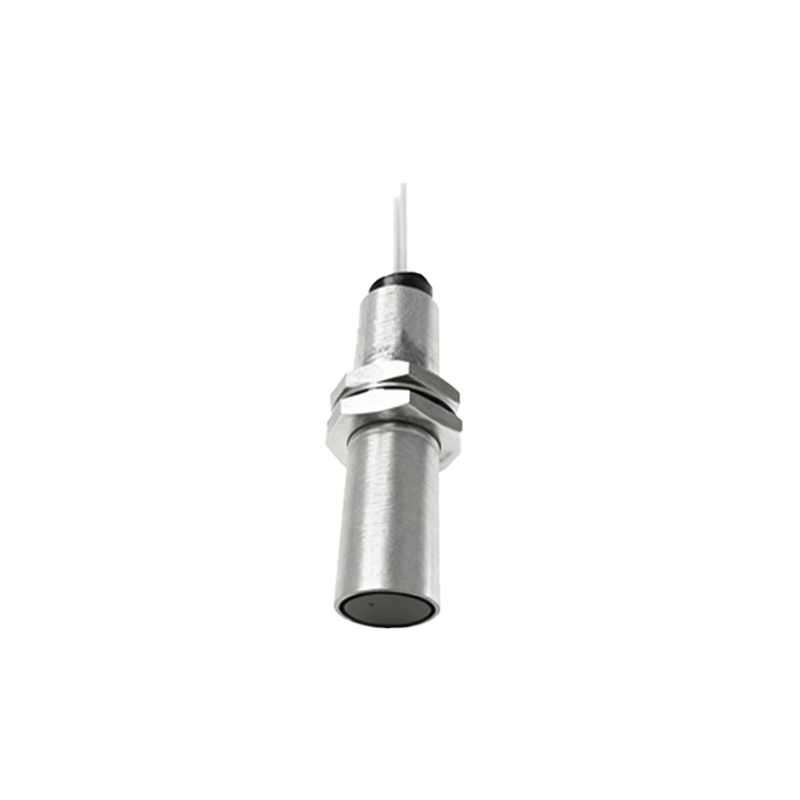
Ultimately, successful aluminum detection requires a combination of sensor technology and application knowledge. By understanding aluminum's properties and leveraging specialized sensors, engineers can achieve reliable, efficient detection in automated systems, enhancing productivity and quality control.