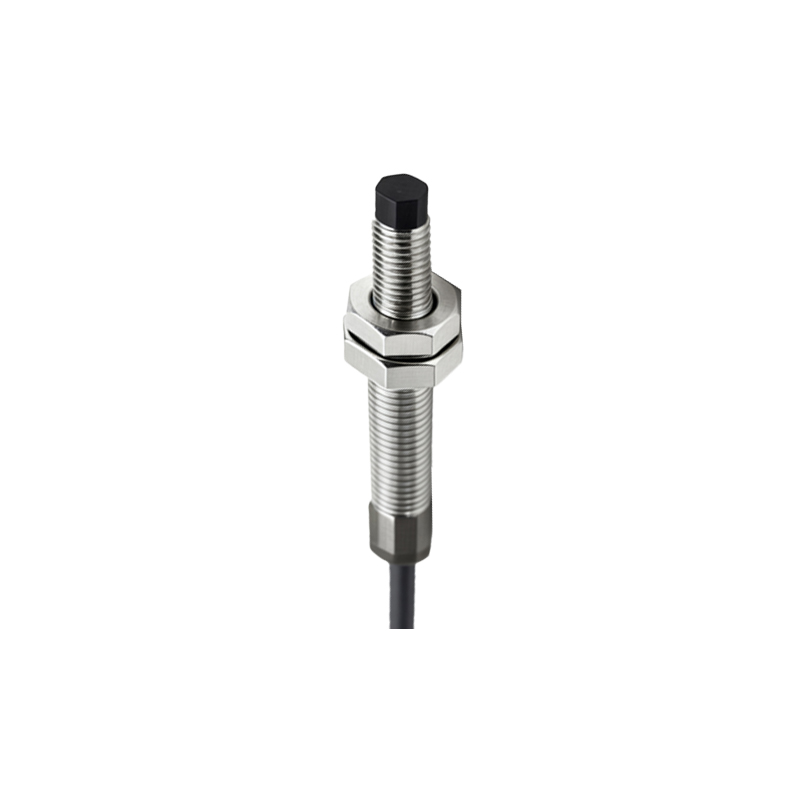
In the world of industrial automation and electrical engineering, proximity sensors are indispensable components for detecting the presence or absence of objects without physical contact. However, navigating the myriad of model numbers can be daunting. Each alphanumeric code encapsulates critical information about the sensor's type, specifications, and compatibility. This guide deciphers the common conventions used by leading manufacturers to help engineers make informed selections.
Typically, a proximity sensor model number is structured into several segments, each representing a key attribute. The first part often indicates the sensor family or series, such as "E2E" for a standard cylindrical inductive sensor or "TL" for a tubular model. This prefix helps identify the product line and its general application scope. Following this, digits or letters specify the sensing distance, usually in millimeters. For instance, "5" might denote a 5mm range, while "10" indicates 10mm. It's essential to consult manufacturer datasheets, as coding can vary.
The next segment commonly defines the sensor's output type and electrical characteristics. Codes like "N" or "P" may represent NPN or PNP transistor outputs, crucial for compatibility with PLCs or control systems. Additionally, symbols such as "DC" for direct current or "AC" for alternating current indicate the power supply requirements. Some models include voltage ratings, like "12-24VDC," embedded in the number. For example, a model ending in "DCN" could imply a DC-powered NPN output.
Another critical element is the housing material and design. Letters like "M" might signify metal housing for durability in harsh environments, while "P" could indicate plastic for cost-effective applications. The shape is also encoded—cylindrical sensors often have codes referencing diameter (e.g., "M12" for a 12mm barrel), and rectangular models may include dimensions. Environmental ratings, such as IP67 for dust and water resistance, are sometimes abbreviated within the model, aiding in suitability assessments for wet or dirty conditions.
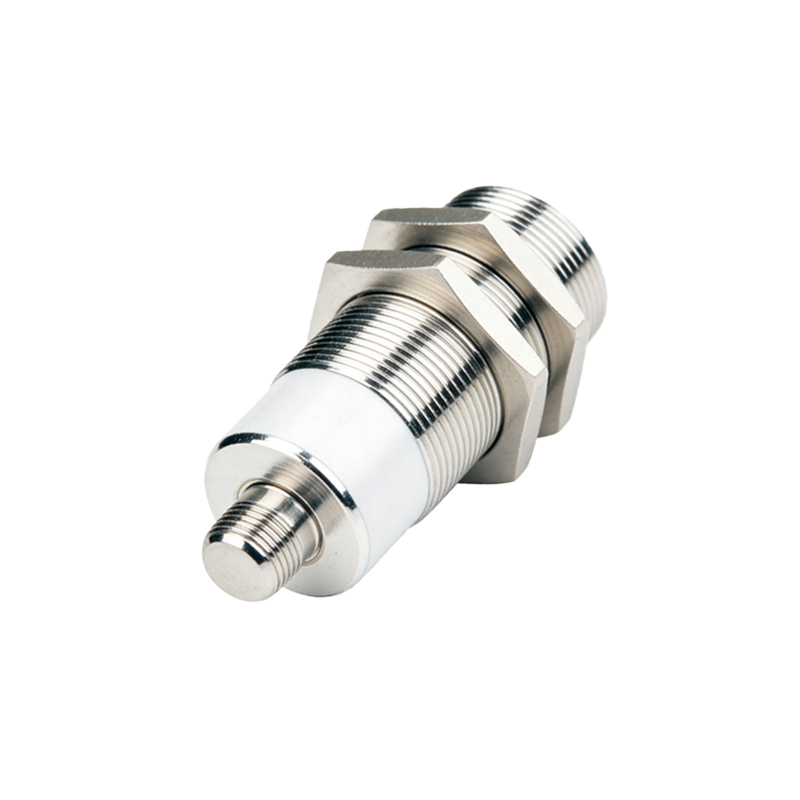
Furthermore, connection methods are embedded in these codes. Terms like "CABLE" for pre-wired versions or "CONN" for connector types appear frequently. Special features, including short-circuit protection, temperature tolerance, or LED indicators, might be denoted by suffixes like "S," "T," or "L." For instance, a model with "L" could have a built-in status light. Understanding these nuances ensures optimal performance and safety in systems.
In practice, engineers should cross-reference model numbers with technical documentation. A sensor labeled "E2E-X5ME1" from a major brand breaks down as follows: "E2E" series, "X5" for 5mm sensing, "M" for metal housing, and "E1" denoting specific electrical traits. Similarly, "PR12-4DN" might indicate a 12mm diameter, 4mm range, DC, NPN sensor. Always verify with datasheets, as standards differ across companies like Omron, Schneider, or Siemens.
Selecting the wrong sensor can lead to system failures or inefficiencies. By mastering model number interpretation, engineers streamline procurement, reduce errors, and enhance project timelines. This knowledge empowers professionals to leverage proximity sensors effectively across applications—from conveyor belts to robotic arms—ensuring reliability in modern electrical infrastructures.