In the realm of industrial automation and electrical control systems, proximity switch sensors stand as pivotal components for non-contact detection of objects. Among the diverse configurations available, plug-in units have emerged as a preferred solution for many applications, offering unparalleled flexibility, ease of maintenance, and system scalability. This article delves into the technical intricacies, advantages, and implementation considerations of plug-in proximity sensors, tailored for electrical engineers and industry professionals.
Plug-in proximity sensors, often referred to as modular or connector-style sensors, are designed with a separable interface that allows the sensing head and the amplifier or evaluation unit to be disconnected swiftly. Typically, these units comprise a sensor body housing the sensing element (inductive, capacitive, or photoelectric) and a separate plug connector that integrates the electrical connections, signal processing circuitry, and output stages. This design contrasts with traditional hard-wired sensors, where wiring is permanently attached, making installation and replacement more labor-intensive.
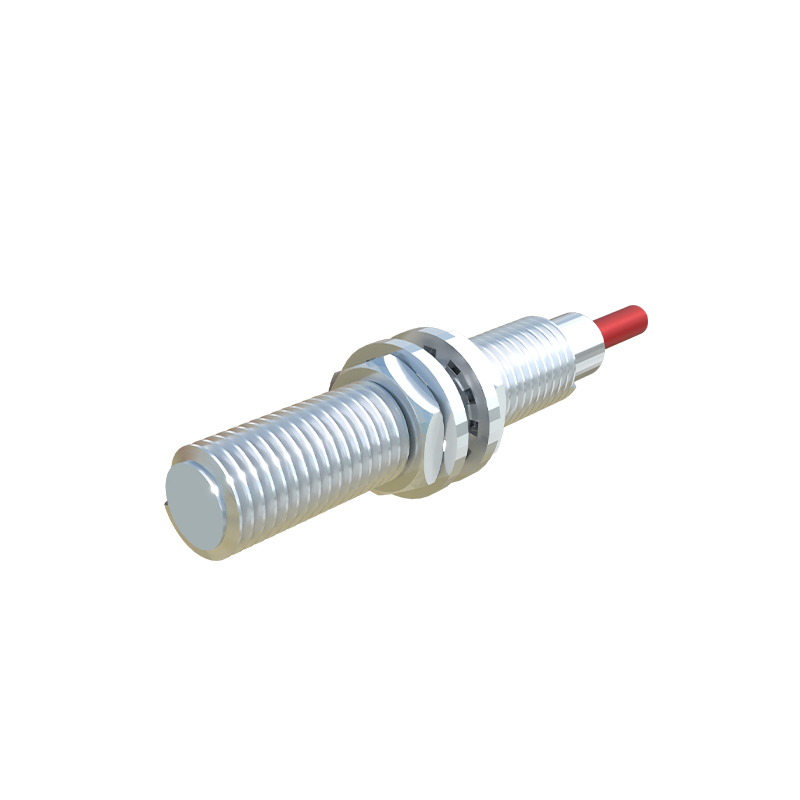
The primary advantage of plug-in units lies in their modularity. In complex machinery or automated production lines, sensors are frequently subject to wear, environmental damage, or require reconfiguration due to process changes. With a plug-in design, technicians can replace a faulty sensor or swap sensing heads without dismantling extensive wiring harnesses. This significantly reduces downtime, as the plug connector remains fixed in the control cabinet or junction box, while only the sensor module is exchanged. Moreover, it minimizes wiring errors during maintenance, enhancing overall system reliability.
From a technical perspective, plug-in proximity sensors support various output types, including PNP, NPN, analog, and IO-Link digital communication. The integration of IO-Link, in particular, enables advanced diagnostics, parameterization, and real-time data exchange, aligning with Industry 4.0 paradigms. Engineers can monitor sensor health, adjust sensing distances, or retrieve operational metrics directly via the control system, streamlining predictive maintenance strategies. The connectors themselves are often standardized, such as M8 or M12 circular connectors, with IP67 or higher ingress protection ratings, ensuring robustness in harsh industrial environments with exposure to dust, moisture, and vibrations.
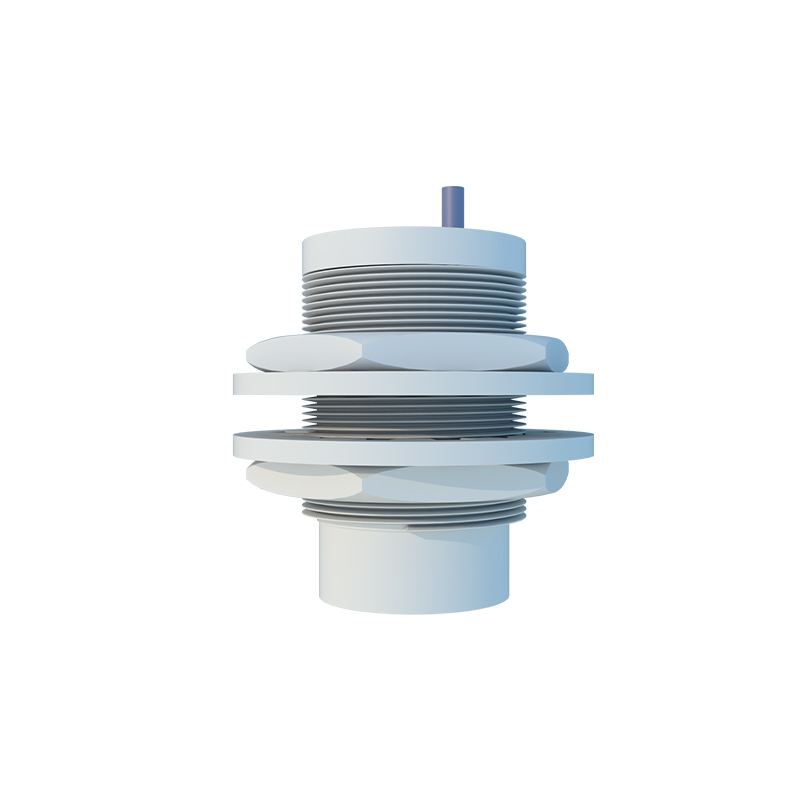
Installation and wiring practices for plug-in sensors emphasize efficiency. Pre-assembled cable assemblies with molded connectors can be employed, reducing on-site termination time. During initial setup, the sensor head is mounted at the detection point, and the cable is routed to a central panel where the plug mates with a corresponding socket. This centralized connection approach simplifies troubleshooting, as all sensor connections are accessible at one location. Additionally, it facilitates cleaner panel layouts and improves electromagnetic compatibility (EMC) by minimizing stray wiring.
However, selecting the appropriate plug-in proximity sensor requires careful consideration. Engineers must evaluate sensing range, target material, response frequency, and environmental conditions. For instance, inductive sensors are ideal for metallic objects, while capacitive variants detect non-metallic materials. The choice between shielded and unshielded designs affects the sensor's installation proximity to metal surfaces. Furthermore, the connector's mechanical locking mechanism should be robust to prevent accidental disconnection due to vibration, a common challenge in dynamic applications like robotics or conveyor systems.
In terms of industry trends, the demand for plug-in units is rising alongside the adoption of modular machinery and scalable automation solutions. Manufacturers are increasingly incorporating LED status indicators, short-circuit protection, and reverse polarity safeguards into these sensors, enhancing user-friendliness and durability. As systems become more interconnected, the plug-in design also supports faster integration with programmable logic controllers (PLCs) and industrial networks, reducing commissioning time.
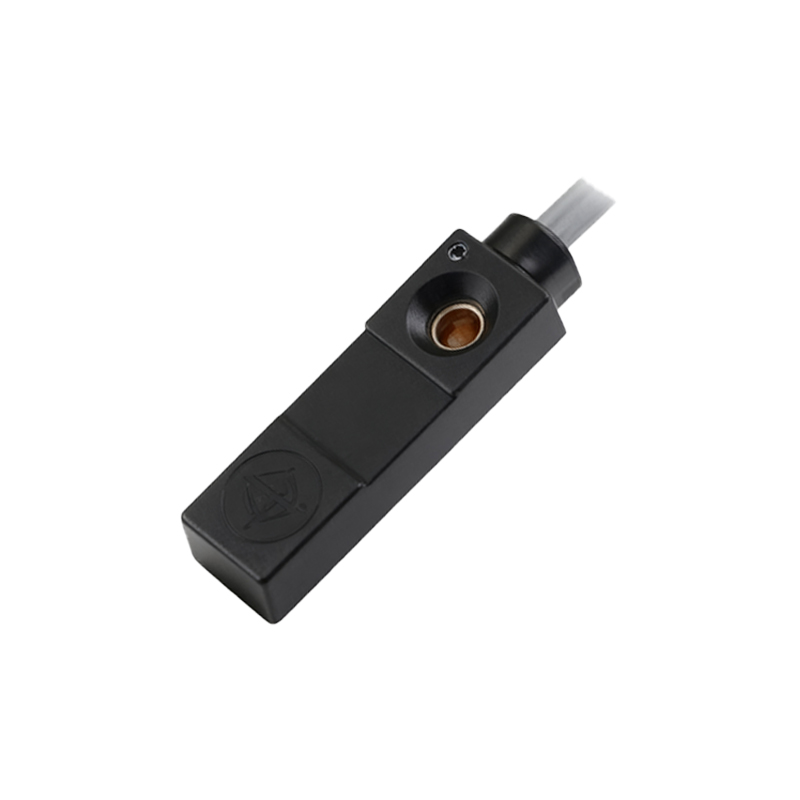
In conclusion, plug-in proximity switch sensors represent a sophisticated evolution in sensor technology, balancing performance with practical maintainability. Their modular architecture not only cuts operational costs but also future-proofs installations against evolving production needs. For electrical engineers, mastering their selection and application is essential for designing resilient, efficient automation systems that meet the demands of modern industry.