Proximity sensors are pivotal components in modern industrial automation, particularly within the rapidly evolving new energy sector. These sensors enable non-contact detection of objects, ensuring precision, reliability, and safety in applications such as electric vehicle (EV) manufacturing, battery management systems, wind turbines, and solar panel installations. Understanding their structure is essential for optimizing performance in demanding environments.
The core of a proximity sensor typically comprises several key structural elements. First, the sensing element, often based on inductive, capacitive, or magnetic principles, detects the presence or absence of a target object. Inductive sensors, for instance, utilize a coil wound around a ferrite core to generate an electromagnetic field. When a metallic object enters this field, eddy currents are induced, altering the oscillation amplitude and triggering a switch signal. This design is widely used in EV motor assemblies and charging station components due to its robustness against contaminants like dust or moisture.
Second, the oscillator circuit generates a high-frequency electromagnetic field for inductive sensors or an electrostatic field for capacitive types. In capacitive sensors, the structure includes conductive plates that form an electric field sensitive to both metallic and non-metallic materials, making them ideal for monitoring liquid levels in battery cooling systems or detecting composite materials in wind turbine blades. The oscillator's stability directly influences sensing accuracy and response time, critical factors in high-speed production lines for lithium-ion batteries.
Third, the signal processing unit converts raw sensor data into usable outputs. This involves amplification, filtering, and comparison against predefined thresholds. Advanced sensors integrate microcontrollers for digital signal processing (DSP), enabling features like temperature compensation and self-diagnostics. In solar tracking systems, for example, sensors with embedded DSP adjust sensitivity to account for environmental changes, ensuring panels maintain optimal alignment with the sun.
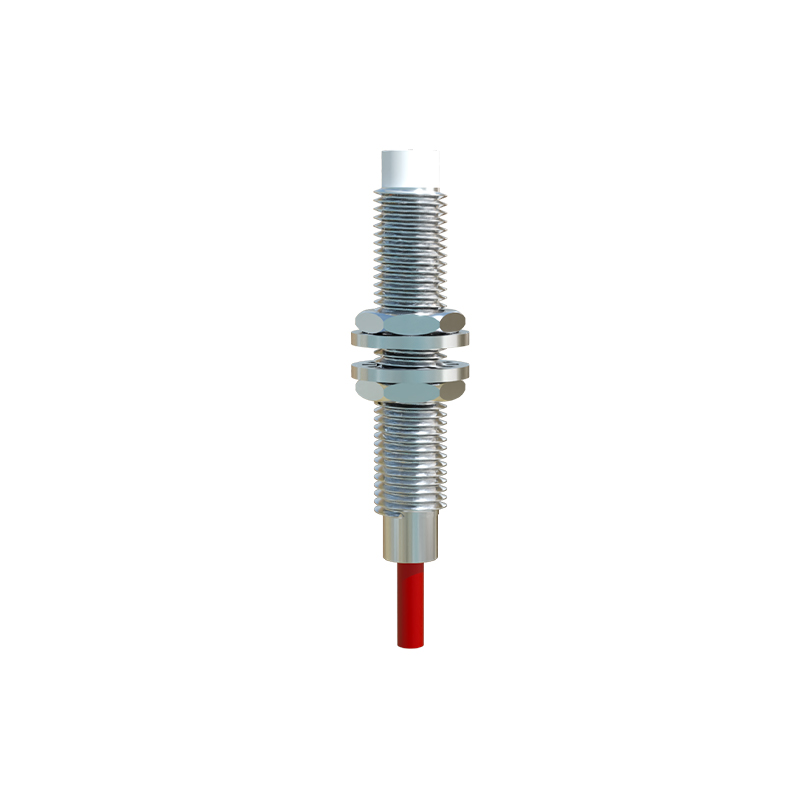
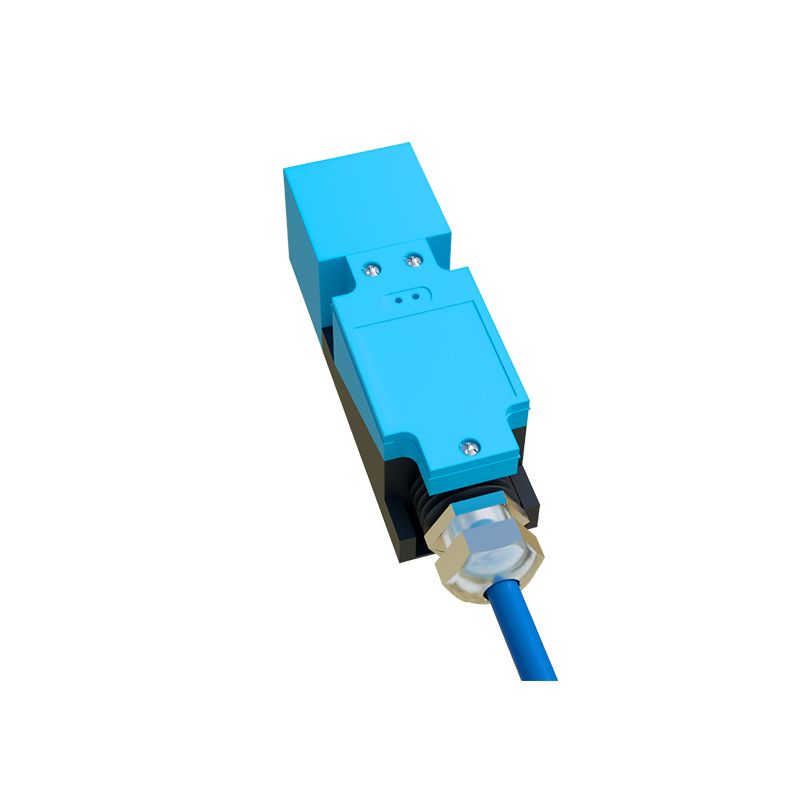
The housing and encapsulation form another vital structural aspect. Proximity sensors in new energy applications often face harsh conditions, including extreme temperatures, vibration, and exposure to chemicals or UV radiation. Stainless steel or nickel-plated brass housings provide durability, while epoxy resin sealing protects internal electronics from ingress. In offshore wind farms, sensors with IP68 or IP69K ratings withstand saltwater corrosion and high-pressure washdowns, guaranteeing long-term operation.
Additionally, connection interfaces, such as M8 or M12 connectors with PVC or PUR cables, facilitate easy integration into control systems. Some models incorporate IO-Link communication for real-time data exchange, supporting Industry 4.0 initiatives in smart grids and energy storage facilities. The structural design also considers mounting options—flush, non-flush, or threaded configurations—to accommodate space constraints in compact EV battery packs or turbine gearboxes.
Innovations in materials and miniaturization are reshaping proximity sensor structures. The use of ceramic capacitors and silicon-based semiconductors enhances sensitivity while reducing size, allowing deployment in tight spaces like fuel cell stacks. Furthermore, energy-efficient designs with low power consumption align with sustainability goals, crucial for solar-powered sensor networks. As new energy technologies advance, sensor structures will continue evolving, incorporating wireless capabilities and AI-driven adaptive sensing for predictive maintenance.
In summary, the structure of proximity sensors in new energy applications is a sophisticated integration of sensing elements, electronic circuits, protective housings, and smart interfaces. Each component is engineered to meet rigorous operational demands, driving efficiency and safety across renewable energy and electrification systems. Engineers must select sensors based on structural attributes tailored to specific use cases, ensuring seamless performance in the dynamic landscape of clean energy.