In the realm of industrial automation and safety systems, proximity sensors stand as critical components, enabling the detection of objects or human presence without physical contact. Their performance directly impacts operational efficiency, equipment longevity, and most importantly, workplace safety. This article delves into the key factors that define and optimize the performance of proximity sensors, with a focus on practical applications and technological advancements.
The core performance metrics of a proximity sensor include sensing range, repeat accuracy, response time, and environmental robustness. Sensing range, often specified under ideal conditions, must be carefully selected based on real-world applications. For instance, in automated assembly lines, a sensor with a 10mm range might precisely detect component placement, while in warehouse automation, longer-range sensors monitor pallet movement. It is crucial to note that the effective sensing distance can be influenced by the target material, size, and orientation. Metallic objects typically yield the longest detection ranges for inductive sensors, whereas capacitive sensors are better suited for non-metallic materials like plastics or liquids.
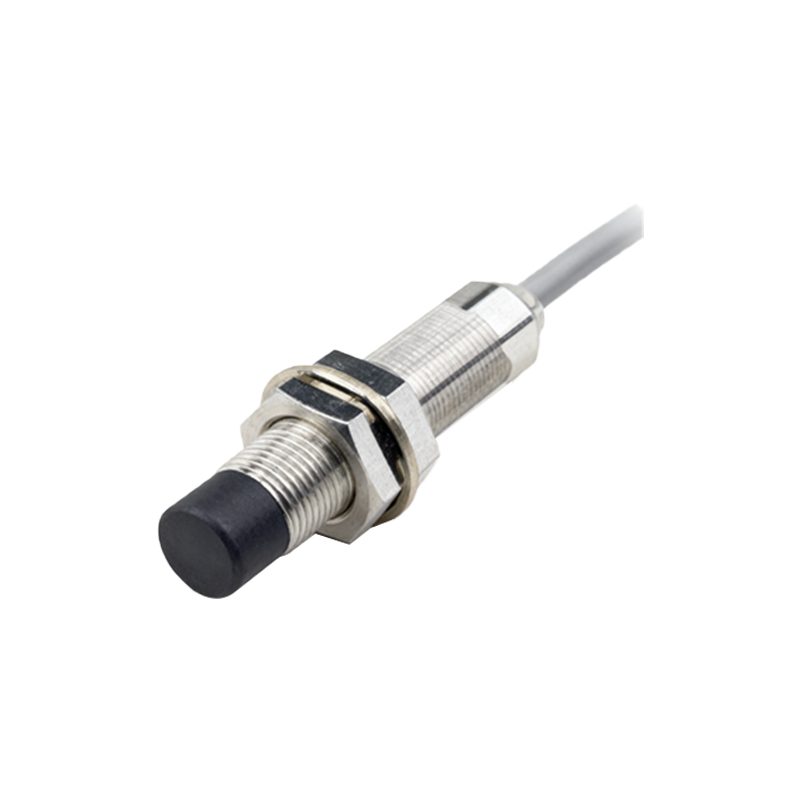
Repeat accuracy, or the consistency of detection at the same point, is paramount in high-precision manufacturing. A sensor with high repeat accuracy minimizes false triggers and ensures reliable process control. Response time, measured in milliseconds or microseconds, determines how quickly a sensor can react to a target's presence or absence. In high-speed packaging machinery, a slow response time could lead to missed detections and production errors. Modern sensors leverage advanced circuitry to achieve response times under 1ms, meeting the demands of rapid industrial cycles.
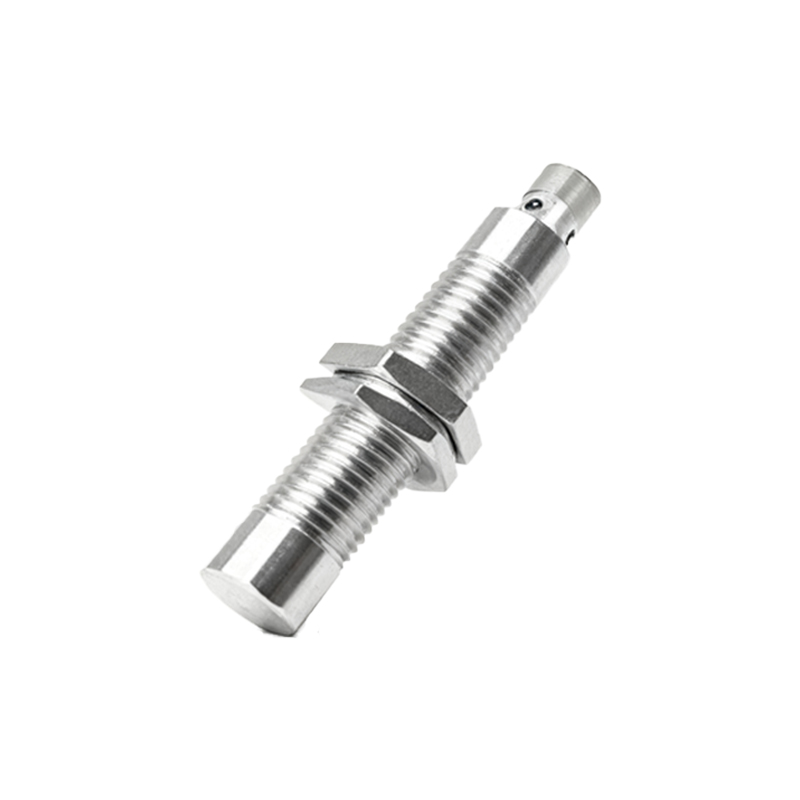
Environmental factors pose significant challenges to sensor performance. Temperature fluctuations, humidity, dust, oil, and electromagnetic interference (EMI) can degrade sensor reliability. Industrial-grade proximity sensors are designed with robust housings, often rated IP67 or higher, to resist ingress from dust and moisture. Temperature compensation circuits maintain stable operation across a wide range, typically from -25°C to 70°C. In environments with strong EMI, such as near welding equipment or variable frequency drives, sensors with shielded designs and noise immunity features are essential to prevent erratic behavior.
The choice between inductive, capacitive, ultrasonic, and photoelectric proximity sensors depends on the application requirements. Inductive sensors excel in detecting metallic objects in harsh environments, offering high durability. Capacitive sensors detect a broader range of materials, including powders and liquids, making them ideal for level detection in tanks. Ultrasonic sensors provide longer ranges and are effective for transparent or irregularly shaped objects. Photoelectric sensors offer high precision and fast response but may be sensitive to ambient light or dirty lenses.

Installation and alignment are often overlooked aspects affecting performance. Improper mounting can cause shielding effects or reduce the effective sensing range. Sensors should be positioned to avoid mutual interference when multiple units are used in close proximity. Regular maintenance, such as cleaning lenses or checking for mechanical damage, ensures sustained accuracy. Additionally, integrating sensors with smart systems via IO-Link or other industrial networks allows for real-time monitoring of performance parameters, enabling predictive maintenance and reducing downtime.
Recent advancements in sensor technology focus on miniaturization, enhanced intelligence, and energy efficiency. Miniature sensors enable integration into compact machinery, while smart sensors with self-diagnostic capabilities can alert operators to potential failures. Energy-efficient designs contribute to lower operational costs and sustainability goals. Looking ahead, the integration of proximity sensors with IoT platforms and AI-driven analytics will further optimize performance, enabling adaptive systems that learn from operational data to improve detection algorithms and safety protocols.
In conclusion, optimizing proximity sensor performance requires a holistic approach, considering technical specifications, environmental conditions, and application-specific needs. By selecting the right sensor type, ensuring proper installation, and leveraging modern technologies, industries can achieve higher safety standards, improved efficiency, and reduced maintenance costs. Continuous innovation in this field promises even greater reliability and functionality, supporting the evolution toward fully automated and intelligent industrial environments.