Level proximity switch sensors are indispensable components in modern industrial automation and process control. These devices provide reliable, non-contact detection of liquid or solid levels in tanks, silos, and other containers. Their operation hinges on the principle of sensing changes in an electromagnetic field or other physical properties when a target material reaches a predetermined point. Unlike mechanical float switches, proximity sensors offer superior longevity, minimal maintenance, and high precision, making them ideal for harsh environments involving corrosive fluids, high pressures, or extreme temperatures.
The core technology behind these sensors varies, primarily including capacitive, inductive, and ultrasonic types. Capacitive level sensors detect changes in capacitance caused by the presence of a dielectric material (the liquid or solid) between two electrodes. They are highly versatile and can sense both conductive and non-conductive substances through non-metallic container walls. Inductive proximity sensors, on the other hand, are specifically designed for detecting conductive liquids or metallic solids. They generate an oscillating electromagnetic field; when a conductive target enters this field, it induces eddy currents that dampen the oscillation, triggering a switch signal. For applications requiring detection from a greater distance or through air, ultrasonic level sensors emit high-frequency sound waves and measure the time delay of the reflected echo to determine the presence or absence of material at a specific level.
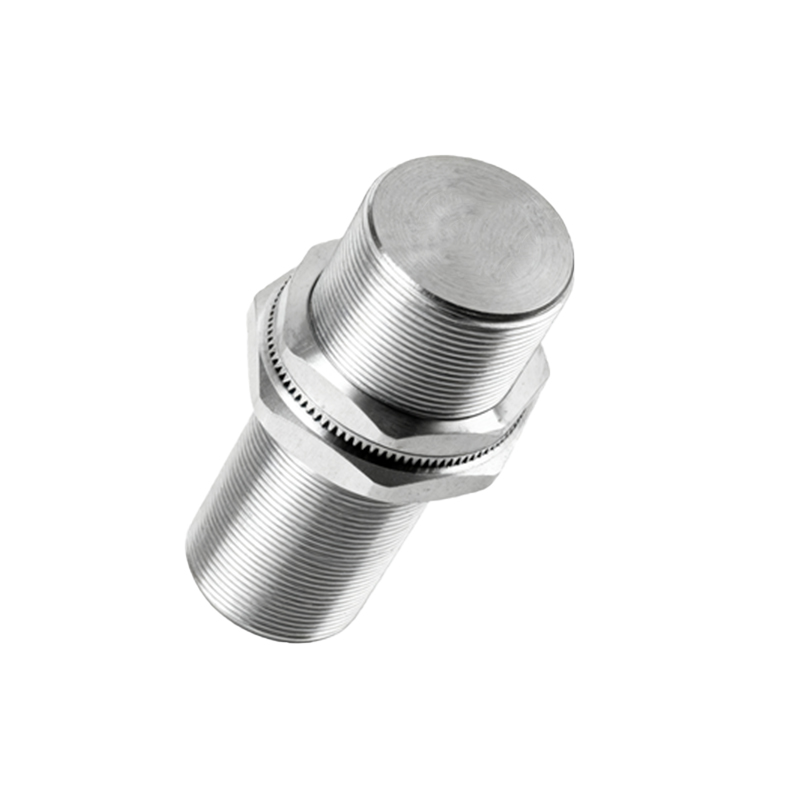
Selecting the appropriate level proximity switch requires a thorough analysis of the application parameters. Key considerations include the chemical composition and dielectric constant of the medium, the material and thickness of the container wall, required sensing distance, operating temperature and pressure ranges, and the necessary output signal type (e.g., PNP/NPN, NO/NC, analog). For instance, in a food and beverage plant handling conductive liquids like milk or juice, an inductive sensor with a hygienic stainless-steel housing might be specified. In a chemical processing unit storing aggressive solvents in a polyethylene tank, a capacitive sensor immune to chemical attack would be the prudent choice. Environmental factors such as potential buildup (coating) on the sensor face, presence of foam, vapor, or heavy vibration must also be accounted for, as they can significantly impact sensor performance and reliability.
Installation and configuration are critical to optimal operation. Sensors must be mounted at the precise level point for detection. For side-mounted sensors, considerations include avoiding turbulent inflow zones or physical obstructions. Top-mounted sensors require a clear path to the material surface. Proper grounding and shielding are essential to mitigate electrical noise interference, especially in facilities with variable frequency drives or heavy machinery. Regular functional checks, including verifying the output signal under both empty and full conditions, are part of a robust maintenance routine to ensure continuous system integrity.
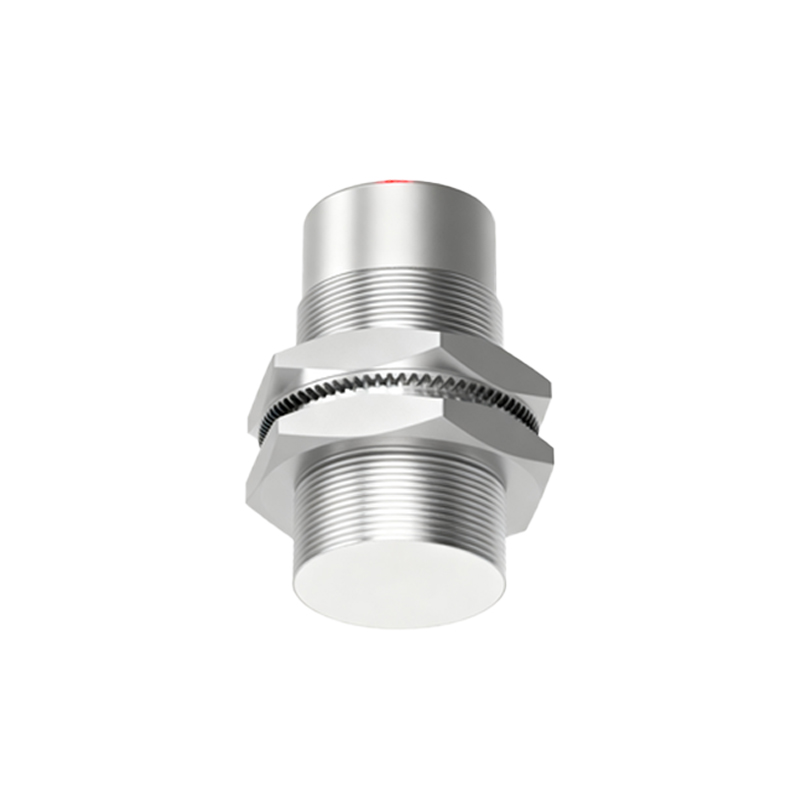
The applications of level proximity switches span virtually every industry. In water and wastewater treatment, they control pump operations and prevent overflow in clarifiers and storage tanks. The pharmaceutical industry relies on them for precise batch processing in reactors and to ensure sterile conditions. In bulk material handling, they manage inventory levels in silos containing grains, powders, or pellets, preventing both run-out and overfill scenarios. Their role in enhancing safety is paramount; for example, they can provide critical high-level alarms for flammable liquids, preventing dangerous spillovers.
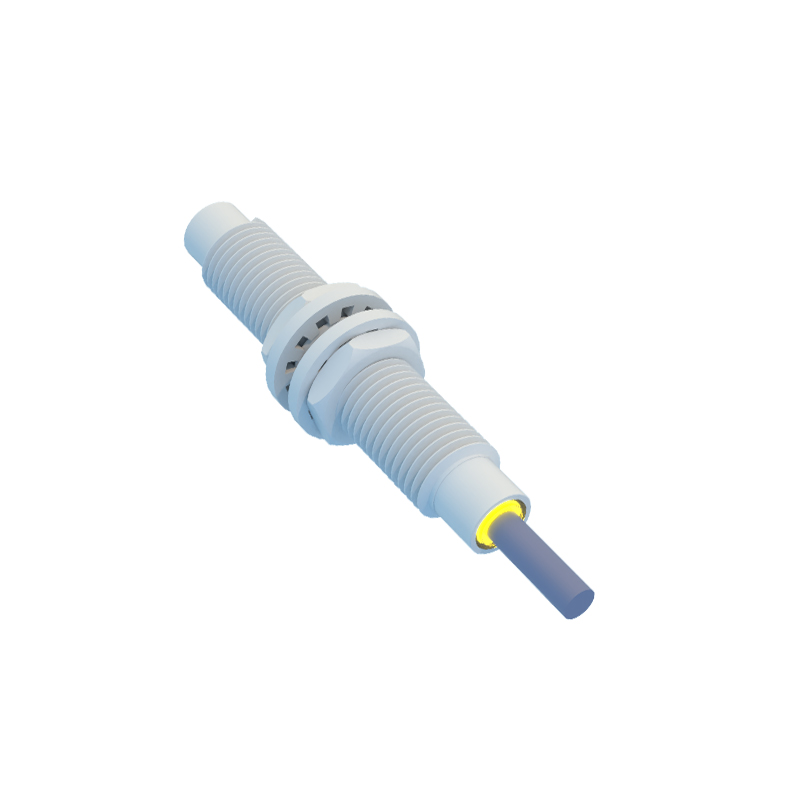
Future trends point toward increased integration with Industrial Internet of Things (IIoT) platforms. Modern level sensors are evolving to include digital communication protocols like IO-Link, which enables not only simple switching but also the transmission of diagnostic data, such as signal strength, operating temperature, and device health status. This facilitates predictive maintenance, reduces unplanned downtime, and allows for more granular process optimization. The development of more robust and miniaturized designs continues to expand their applicability into new and challenging environments.
In conclusion, the level proximity switch sensor is a fundamental yet sophisticated tool for industrial measurement. A deep understanding of its operating principles, coupled with a meticulous approach to selection and installation, is crucial for designing efficient, safe, and reliable level control systems. As automation advances, these sensors will continue to be pivotal in achieving precise and intelligent process management across the global industrial landscape.