In the rapidly evolving landscape of industrial automation, proximity sensors play a critical role in ensuring efficiency, safety, and precision. These non-contact devices detect the presence or absence of objects and are indispensable in applications ranging from assembly lines and robotics to automotive manufacturing and packaging. Selecting the right proximity sensor supplier is not merely a procurement decision; it is a strategic choice that impacts operational reliability, maintenance costs, and overall productivity. This article delves into key considerations for choosing a supplier that aligns with your technical requirements and business goals.
First and foremost, evaluate the supplier's product portfolio and technical expertise. A reputable supplier should offer a diverse range of proximity sensors, including inductive, capacitive, ultrasonic, and photoelectric types, each suited for specific materials and environmental conditions. For instance, inductive sensors are ideal for detecting metallic objects in harsh industrial settings, while capacitive sensors can handle non-metallic materials like plastics or liquids. The supplier must provide detailed specifications, such as sensing range, response time, output types (e.g., NPN, PNP, analog), and environmental ratings (IP67, IP69K for dust and water resistance). Technical support is equally vital—ensure the supplier has a team of engineers who can assist with selection, integration, and troubleshooting.
Quality and reliability are non-negotiable in industrial applications. Investigate the supplier's manufacturing standards and certifications, such as ISO 9001 for quality management or specific industry certifications like ATEX for explosive atmospheres. Consistent performance under extreme temperatures, vibrations, or electromagnetic interference is crucial to prevent downtime. Request product samples or case studies to test in your own environment. Additionally, review the supplier's track record for durability and mean time between failures (MTBF). A supplier with a proven history of delivering robust sensors will minimize unexpected breakdowns and maintenance expenses.
Another critical factor is supply chain stability and logistical efficiency. In today's global market, disruptions can halt production lines, so choose a supplier with a resilient supply network and transparent lead times. Assess their inventory management—do they maintain adequate stock for popular models? Can they handle urgent orders or customizations? Local distribution centers or warehouses can reduce shipping delays and costs. Moreover, consider the supplier's after-sales services, including warranty policies, repair services, and availability of spare parts. A responsive supplier who offers comprehensive support ensures long-term operational continuity.
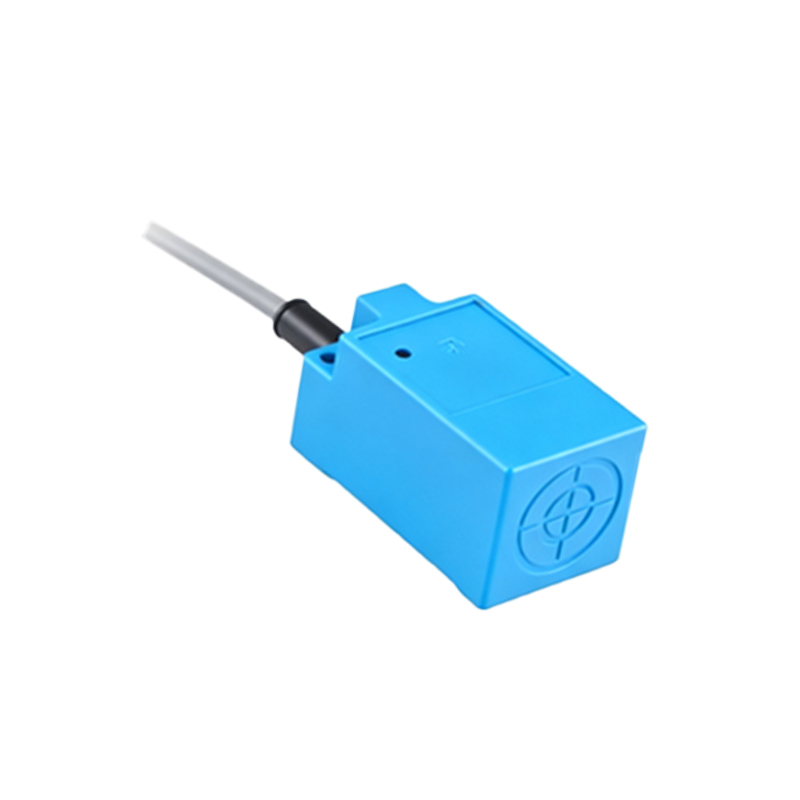
Cost-effectiveness goes beyond the initial purchase price. While competitive pricing is important, evaluate the total cost of ownership (TCO), which includes installation, maintenance, energy consumption, and potential downtime costs. High-quality sensors may have a higher upfront cost but often lead to savings through longer lifespans and fewer replacements. Discuss volume discounts or long-term partnership agreements with the supplier. Additionally, technological innovation is a key differentiator—suppliers who invest in R&D may offer advanced features like IO-Link connectivity for smart factory integration, which can enhance data collection and predictive maintenance capabilities.
Finally, consider the supplier's industry reputation and customer feedback. Seek references from other clients in similar sectors, and review testimonials or online ratings. Participation in trade shows or industry associations can indicate a commitment to staying updated with trends. A supplier that values customer relationships and adapts to evolving needs will be a reliable partner as your business grows.
In conclusion, selecting a proximity sensor supplier requires a balanced approach focusing on technical capability, quality assurance, supply chain reliability, cost-efficiency, and market reputation. By conducting thorough due diligence, you can forge a partnership that not only meets immediate sensor needs but also supports your long-term automation and productivity objectives. Remember, the right supplier is an extension of your operational team, contributing to seamless and efficient industrial processes.