Proximity sensors are indispensable components in modern industrial automation, offering non-contact detection of objects within their sensing range. Their ability to operate reliably in harsh environments—amidst dust, moisture, and vibration—makes them superior to mechanical limit switches. This article provides a comprehensive classification of proximity sensors based on their detection principle, output type, and construction, serving as a guide for engineers and technicians in selecting the appropriate sensor for specific applications.
The primary classification is by sensing technology. Inductive proximity sensors are the most common type, used exclusively for detecting metallic objects. They generate an electromagnetic field; when a metal target enters this field, it causes a change in oscillation amplitude, which the sensor detects. These sensors are ideal for applications like metal part counting, position verification in machining, or detecting the presence of a metal pallet. Capacitive proximity sensors, in contrast, can detect both metallic and non-metallic materials, including liquids, plastics, wood, and granules. They work by measuring changes in capacitance caused by the presence of any material that alters the dielectric constant of the sensing field. This makes them suitable for level detection in tanks, material handling of non-metals, or presence sensing of packaged goods.
Ultrasonic proximity sensors utilize sound waves beyond human hearing. They emit ultrasonic pulses and measure the time taken for the echo to return after hitting an object. This technology is effective for detecting objects regardless of material composition, color, or transparency, and is excellent for distance measurement and level sensing in challenging conditions, such as detecting clear glass bottles or monitoring bulk material levels. Photoelectric sensors, another major category, use a light beam (visible, infrared, or laser). They are subdivided into through-beam, retro-reflective, and diffuse reflective types. Through-beam models offer the longest sensing range and highest reliability, as they consist of separate emitter and receiver units. Retro-reflective types use a reflector to bounce the beam back, while diffuse sensors detect light reflected directly from the target object. Photoelectric sensors are versatile for detecting small objects, colors, or over long distances on packaging lines.
A further critical classification is by output configuration. Sensors are available with digital outputs (typically NPN or PNP transistor outputs for DC sensors, or relay contacts for AC models) and analog outputs (4-20 mA or 0-10 V) that provide a signal proportional to the distance to the target. The choice between NPN (sinking) and PNP (sourcing) outputs is fundamental and must align with the PLC or control system input module. Housing design is another key differentiator. Cylindrical threaded barrels (e.g., M8, M12, M18, M30) are standard for easy installation. Rectangular or block-style housings offer built-in sensing faces from multiple directions. Factors like sensing range, flush-mount or non-flush mount capability, and housing material (often nickel-plated brass or stainless steel for corrosion resistance) must be considered based on the installation environment.
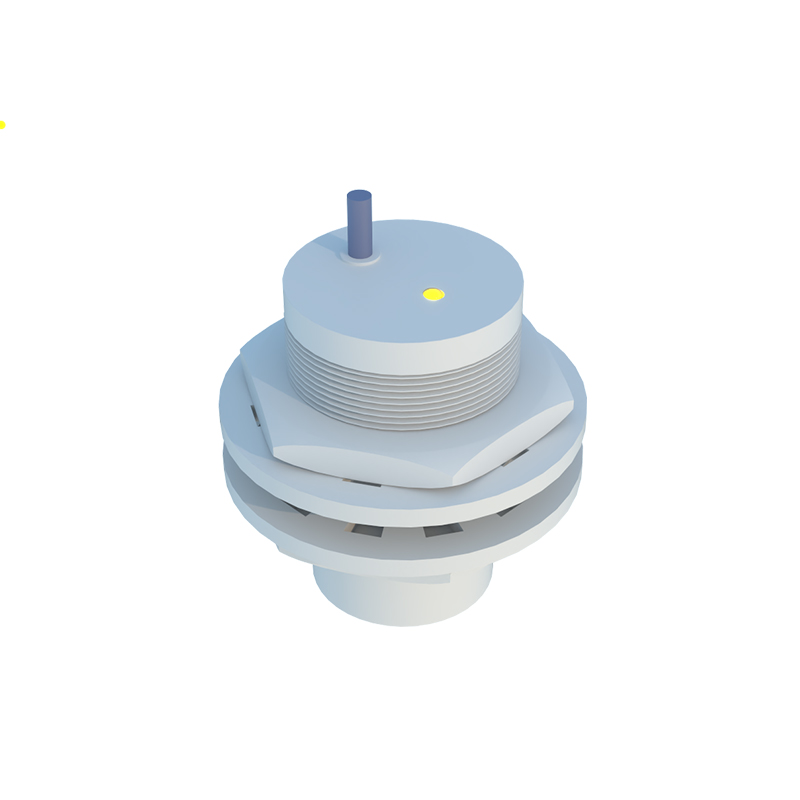
Selecting the correct proximity sensor requires a systematic approach. First, identify the target material. For metals only, an inductive sensor is typically the most cost-effective and robust choice. For non-metals, liquids, or varying materials, consider capacitive or ultrasonic sensors. Second, define the required sensing distance, always choosing a sensor with a rated operating distance slightly greater than the application requires to account for tolerances and wear. Third, assess the environmental conditions: temperature extremes, presence of washdown chemicals, or potential for physical impact will dictate the required ingress protection (IP) rating and housing material. Fourth, determine the electrical requirements: operating voltage (10-30 V DC, or 90-250 V AC), output type, and connection method (pre-wired cable or quick-disconnect). Finally, consider any special requirements like analog output for distance proportionality, high-speed response for fast-moving objects, or intrinsic safety ratings for hazardous areas.
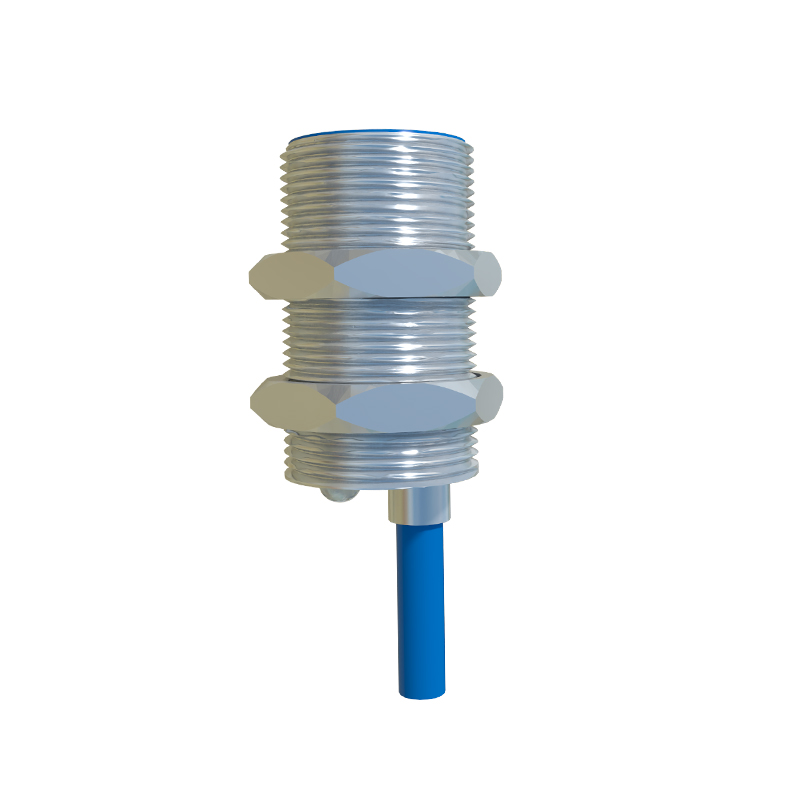
In conclusion, a clear understanding of proximity sensor classification—by technology, output, and form—is essential for optimal system design. Inductive, capacitive, ultrasonic, and photoelectric sensors each have distinct domains where they excel. Matching the sensor's core characteristics to the application's specific demands for target material, range, environment, and electrical interface ensures reliable operation, reduces downtime, and maximizes the efficiency of automated industrial processes. Always consult detailed manufacturer datasheets for specific performance specifications before final selection.