In the realm of industrial automation and electrical control systems, proximity switch sensors are indispensable components. Their primary function is to detect the presence or absence of an object without physical contact, making them crucial for applications ranging from assembly lines to safety interlocks. However, not all proximity sensors are created equal, and their performance can significantly impact system reliability, efficiency, and safety. This article provides a detailed, professional guide for electrical engineers and technicians on how to assess the quality and operational status of these sensors.
Fundamentally, a proximity sensor's quality is determined by its design, manufacturing standards, and material integrity. High-quality sensors typically feature robust housings made from materials like nickel-plated brass, stainless steel, or PBT plastic, offering excellent resistance to environmental factors such as moisture, chemicals, and mechanical stress. Internally, the oscillator, Schmitt trigger, and output switching circuit must be precisely calibrated. A key indicator of superior design is the sensing distance. A high-quality sensor will have a stable, repeatable sensing range that closely matches its datasheet specifications under varying conditions, including temperature fluctuations and voltage supply changes. Conversely, a poor-quality sensor may exhibit significant drift in its sensing distance or fail to detect objects consistently at the rated range.
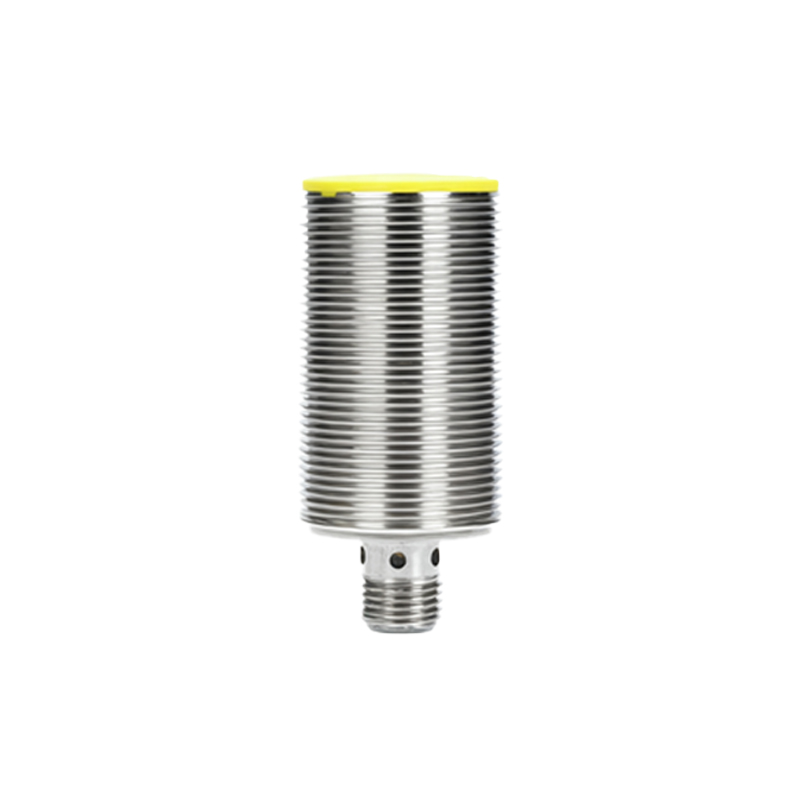
Electrical performance is the most critical area for evaluation. Begin with a thorough visual inspection for any physical damage, corrosion, or signs of overheating. Next, utilize a digital multimeter to perform basic electrical tests. For a standard 3-wire DC sensor, measure the supply voltage to ensure it is within the specified range (e.g., 10-30V DC). Check the output state: when the target is absent, the output should be in its normal state (either high or low, depending on PNP or NPN configuration). When a valid target enters the sensing field, the output should switch reliably. Use an oscilloscope to examine the output signal's rise and fall times; a clean, sharp transition with minimal noise is a hallmark of a good sensor. Excessive noise, slow switching, or signal bounce indicates potential internal component degradation or poor design.
Another vital test involves monitoring the sensor's current consumption. An abnormally high quiescent current (current draw when idle) can signal a failing internal circuit or short. Compare the measured values against the manufacturer's datasheet. Furthermore, assess the sensor's response time and switching frequency. A high-quality inductive or capacitive proximity sensor can have response times in the microsecond range and switching frequencies of several kilohertz. Test this by moving a target rapidly in and out of the sensing field while monitoring the output. Inconsistent switching or an inability to keep up with the rated frequency points to a subpar or failing unit.
Environmental resilience separates premium sensors from inferior ones. A good sensor maintains stable operation despite interference from adjacent metal objects, strong electromagnetic fields, welding currents, or temperature extremes. Perform tests under real or simulated conditions. For instance, subject the sensor to temperature variations and observe if the sensing distance or output behavior changes drastically. Check for ingress protection (IP rating); a sensor rated IP67 should withstand temporary immersion without failure. Poor-quality sensors often have inadequate shielding, leading to false triggering from electromagnetic interference (EMI) or compromised seals that allow contaminants to damage the internal electronics.
Long-term reliability and mean time between failures (MTBF) are ultimate quality indicators. While not testable in a single session, you can infer reliability from build quality, brand reputation, and certification marks (e.g., UL, CE, ATEX for hazardous areas). High-quality sensors use durable sensing faces and incorporate protection against reverse polarity, short-circuits, and overloads. They also exhibit minimal hysteresis—the difference between the switch-on and switch-off points. Excessive hysteresis can cause positioning inaccuracies in precision applications.
Finally, always consult the manufacturer's documentation. A comprehensive datasheet with detailed specifications, performance graphs, and application notes is often a sign of a reputable manufacturer committed to quality. In contrast, vague or missing technical data should raise a red flag.
In conclusion, evaluating a proximity switch sensor's quality requires a multi-faceted approach combining visual inspection, precise electrical measurement, performance benchmarking against specifications, and environmental testing. By systematically applying these methods, engineers can ensure the selection and maintenance of high-performance sensors, thereby guaranteeing the robustness and efficiency of their control systems. Remember, a proactive approach to sensor assessment prevents costly downtime and enhances overall operational safety.