Proximity sensors are essential components in modern industrial automation, robotics, and safety systems. They detect the presence or absence of objects without physical contact, relying on various physical principles. As an experienced electrical engineer, understanding the different types of proximity sensors is crucial for selecting the right technology for specific applications. This article provides a detailed overview of the primary categories of proximity sensors, their working principles, and typical use cases.
Inductive proximity sensors are among the most common types, operating on the principle of electromagnetic induction. They generate an oscillating electromagnetic field and detect changes caused by metallic objects entering this field. These sensors are highly reliable, resistant to environmental factors like dust and moisture, and ideal for detecting ferrous and non-ferrous metals. Typical applications include position sensing in machinery, metal detection in conveyor systems, and automated assembly lines. However, their limitation is that they only work with metallic targets, making them unsuitable for non-metallic materials.
Capacitive proximity sensors function by measuring changes in capacitance. They generate an electrostatic field and detect variations when any object, metallic or non-metallic, enters the sensing area. This makes them versatile for detecting materials such as plastics, liquids, glass, and wood. Capacitive sensors are commonly used in level detection for liquids or granular materials, touch-sensitive interfaces, and material handling systems. They can be sensitive to environmental factors like humidity, which may require calibration for stable operation.
Ultrasonic proximity sensors use sound waves beyond the human hearing range (typically 20 kHz to 200 kHz) to detect objects. They emit ultrasonic pulses and measure the time taken for echoes to return after hitting an object. This time-of-flight principle allows them to measure distance accurately, making them suitable for both presence detection and ranging applications. Ultrasonic sensors are effective in challenging environments with dust, smoke, or varying light conditions. Common uses include obstacle detection in autonomous vehicles, liquid level monitoring in tanks, and packaging automation. Their main drawbacks include potential interference from acoustic noise and reduced performance with soft, sound-absorbing materials.
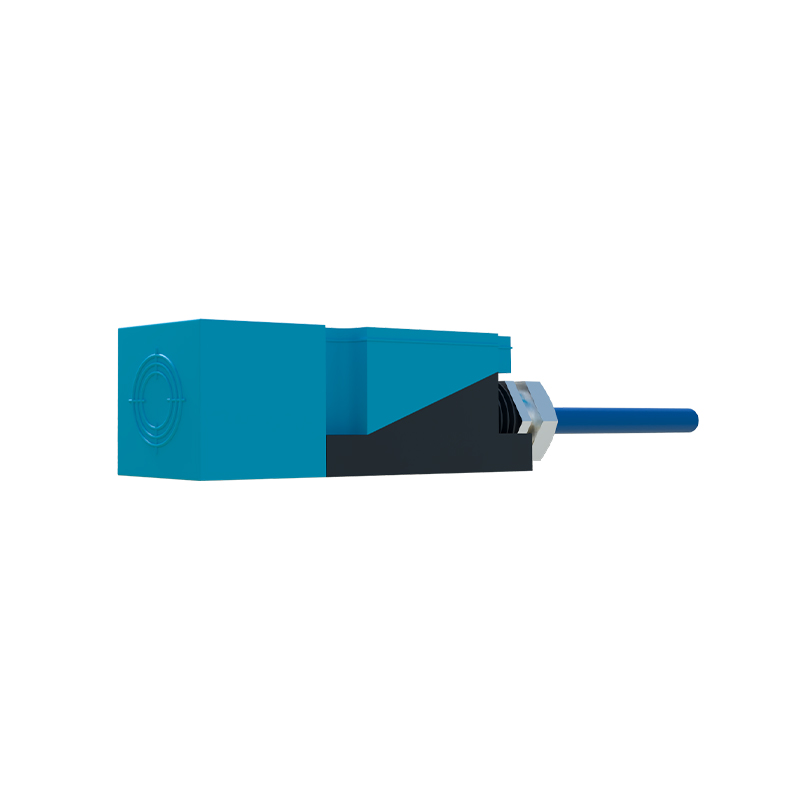
Magnetic proximity sensors detect magnetic fields, typically from permanent magnets. They use reed switches or Hall effect sensors to sense the presence of a magnet. Reed switches consist of ferromagnetic contacts that close when exposed to a magnetic field, while Hall effect sensors generate a voltage proportional to the magnetic field strength. These sensors are simple, cost-effective, and used in applications like door position sensing, speed detection in rotating machinery, and safety interlocks. They are limited to detecting magnetic objects and may be affected by external magnetic fields.
Optical proximity sensors, including photoelectric sensors, use light beams to detect objects. They consist of a light emitter (usually LED or laser) and a receiver. When an object interrupts or reflects the light beam, the sensor triggers an output. Types include through-beam (separate emitter and receiver), retro-reflective (with a reflector), and diffuse reflective (using object reflection). Optical sensors offer long sensing ranges and fast response times, making them ideal for counting, sorting, and precision positioning. However, they can be affected by ambient light, dirt, or transparent objects.
Infrared (IR) proximity sensors are a subset of optical sensors that use infrared light. They are common in consumer electronics (e.g., smartphones for screen control) and industrial automation. IR sensors can be active (emitting and detecting IR) or passive (detecting IR radiation from objects). They are sensitive to heat and material properties, which can influence accuracy.
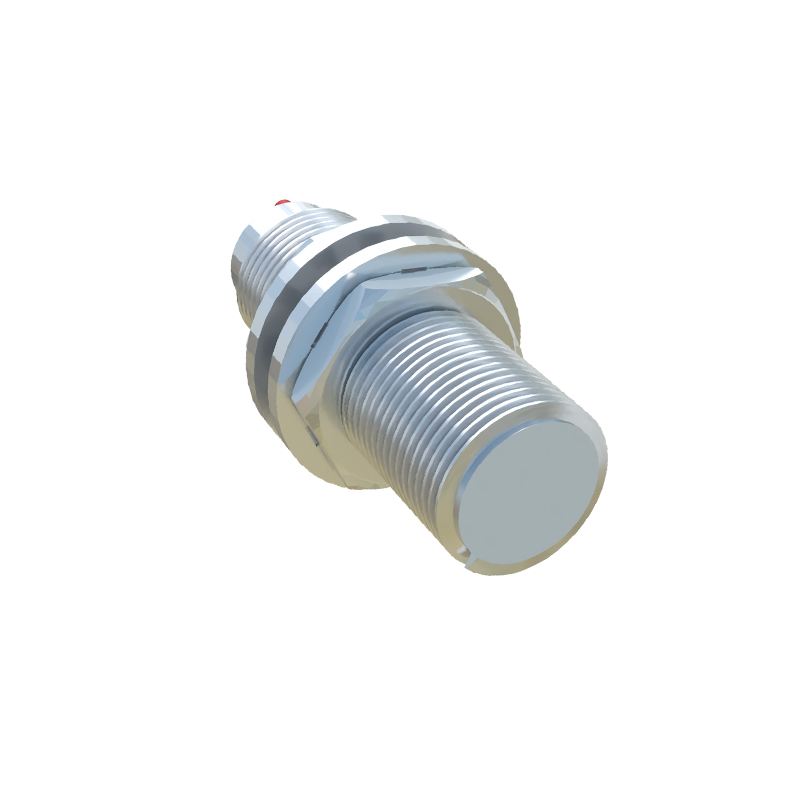
Each type of proximity sensor has unique advantages and limitations. Inductive sensors excel in metal detection, capacitive sensors handle diverse materials, ultrasonic sensors provide distance measurement, magnetic sensors offer simplicity, and optical sensors deliver speed and range. Factors like target material, environmental conditions, sensing distance, and cost must be considered during selection.
In summary, proximity sensors are categorized based on their detection principles: inductive, capacitive, ultrasonic, magnetic, and optical. Advancements in technology continue to enhance their precision, durability, and integration with IoT systems. For electrical engineers, staying updated on these developments ensures optimal implementation in automation, safety, and efficiency-driven projects.