In the global industrial automation market, proximity sensors are indispensable components for non-contact detection, object positioning, and process control. As export demands diversify, understanding the classification of these sensors becomes crucial for engineers, procurement specialists, and system integrators. This article provides a comprehensive classification chart and analysis tailored for international applications, focusing on operational principles, technical specifications, and regional compliance standards.
Proximity sensors are primarily categorized by their detection technology. The four fundamental types include inductive, capacitive, ultrasonic, and photoelectric sensors. Inductive sensors detect metallic objects using electromagnetic fields, making them ideal for automotive assembly lines or metal machining centers. They are further subdivided into shielded (flush-mountable) and unshielded versions, with sensing ranges varying from 1 to 60 mm. Capacitive sensors can detect both metallic and non-metallic materials (e.g., liquids, plastics) by measuring changes in capacitance. Common in packaging and food processing industries, they offer ranges up to 40 mm. Ultrasonic sensors utilize sound waves to detect objects at longer distances (up to 8 meters), excelling in harsh environments with dust or moisture, such as mining or agricultural exports. Photoelectric sensors, employing light beams, are split into through-beam, retro-reflective, and diffuse-reflective models, with ranges extending to hundreds of meters for logistics and warehouse automation.
Each category is influenced by export-specific factors. For instance, inductive sensors must comply with IEC 60947-5-2 for international electrical standards, while photoelectric sensors often require IP67 or IP69K ratings for dust and water resistance in global shipments. Key technical parameters include sensing distance, repeat accuracy, response frequency, and output type (e.g., PNP/NPN, analog, IO-Link). In export markets, environmental adaptability is critical; sensors destined for Europe may need CE marking and RoHS compliance, whereas those for North America prioritize UL certification and NEMA ratings.
The classification chart also highlights application-based divisions. In automotive exports, inductive sensors dominate for gear detection, while capacitive sensors are preferred in chemical exports for liquid level monitoring. For consumer electronics assembly, miniature photoelectric sensors ensure precision. Emerging trends, such as Industry 4.0, drive demand for smart sensors with IoT connectivity, enabling predictive maintenance in exported machinery.
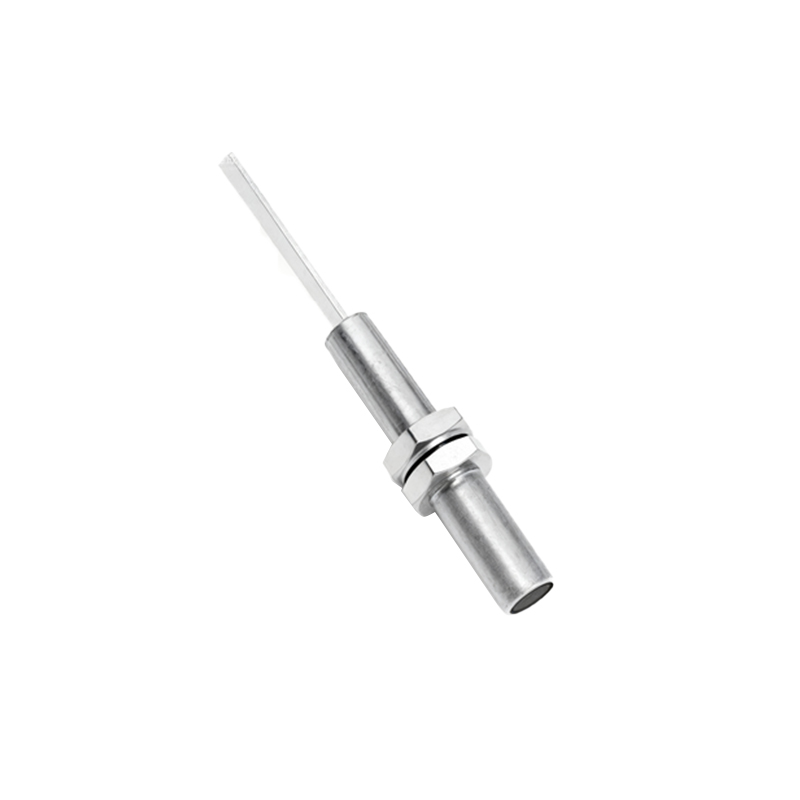
When selecting proximity sensors for export, consider target market regulations, environmental conditions, and integration with existing PLCs or robotics. Always verify certifications like ATEX for explosive atmospheres or ISO standards for quality management. By leveraging this classification framework, stakeholders can optimize sensor choices, enhance supply chain efficiency, and meet global industrial demands seamlessly.