In the rapidly evolving landscape of industrial automation and smart device integration, proximity sensors have become indispensable components. Among the leading technologies, Nova proximity light sensors stand out for their precision, reliability, and versatility. This article delves into the operational principles, key features, and diverse applications of Nova sensors, providing a comprehensive overview for electrical engineers and industry professionals.
At its core, a Nova proximity sensor is an optoelectronic device designed to detect the presence or absence of an object within a specified range without physical contact. It operates primarily on the principle of light modulation. The sensor emits a beam of light, typically infrared (IR), from an LED. When an object enters the detection field, it reflects a portion of this emitted light back towards the sensor. A photodetector, such as a phototransistor or photodiode, receives this reflected signal. The sensor's internal circuitry then processes this change in light intensity or time-of-flight (ToF) data to determine the object's presence and, in advanced models, its distance.
The "Nova" series is renowned for several distinguishing characteristics that make it a preferred choice in demanding environments. First is its high noise immunity. Electrical noise from motors, power lines, and other equipment can severely disrupt sensor operation. Nova sensors incorporate advanced filtering and modulation techniques to ensure stable performance even in electrically noisy industrial settings. Second is their exceptional response time. Capable of detection in milliseconds, these sensors are ideal for high-speed automation lines where timing is critical. Third, many Nova models offer adjustable sensing ranges, allowing engineers to fine-tune the detection distance for specific applications, thereby reducing false triggers.

Another significant advantage is the robust construction. Designed to meet international protection standards like IP67, Nova sensors can withstand harsh conditions including dust, moisture, oil sprays, and mechanical vibrations. This durability ensures long-term operational stability and reduces maintenance downtime. Furthermore, modern Nova sensors often feature digital output interfaces (e.g., I2C, IO-Link) alongside traditional analog (0-10V, 4-20mA) and discrete (PNP/NPN) outputs. This digital capability facilitates seamless integration into Industry 4.0 and Industrial Internet of Things (IIoT) frameworks, enabling predictive maintenance and real-time data analytics.
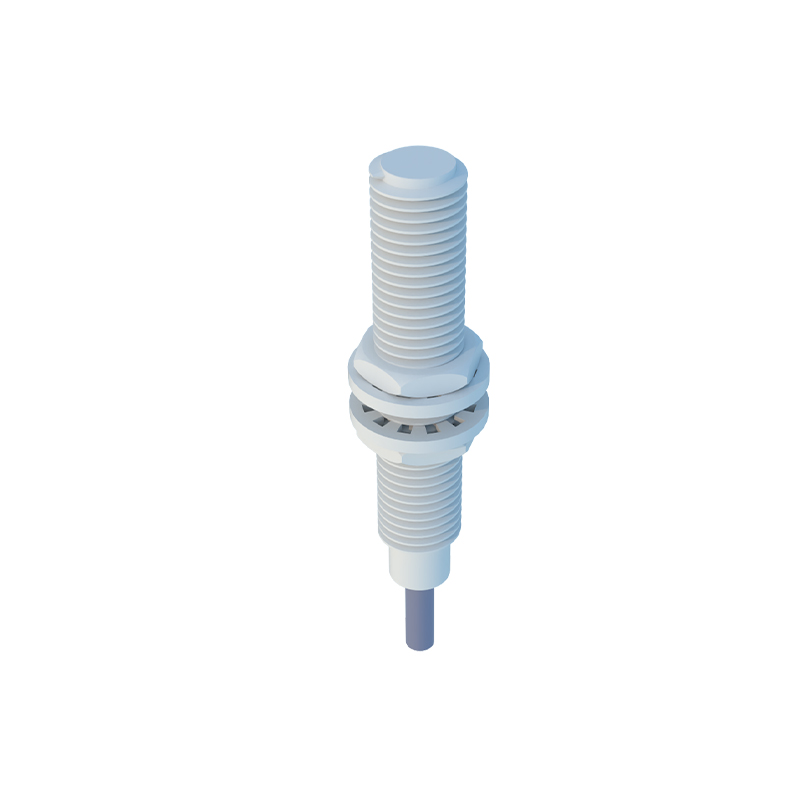
The application spectrum for Nova proximity light sensors is remarkably broad. In the automotive manufacturing sector, they are deployed for precise part positioning, robotic arm guidance, and assembly verification on fast-moving production lines. Within consumer electronics, these sensors enable features like automatic screen blanking in smartphones and tablets when held close to the ear during a call, conserving battery life. In packaging machinery, they detect labels, count products, and monitor fill levels with high accuracy. Material handling and logistics systems utilize them for pallet detection, conveyor belt control, and automated guided vehicle (AGV) navigation. Even in safety systems, they serve as non-contact interlock devices to protect personnel by halting machinery when a human is detected within a hazardous zone.
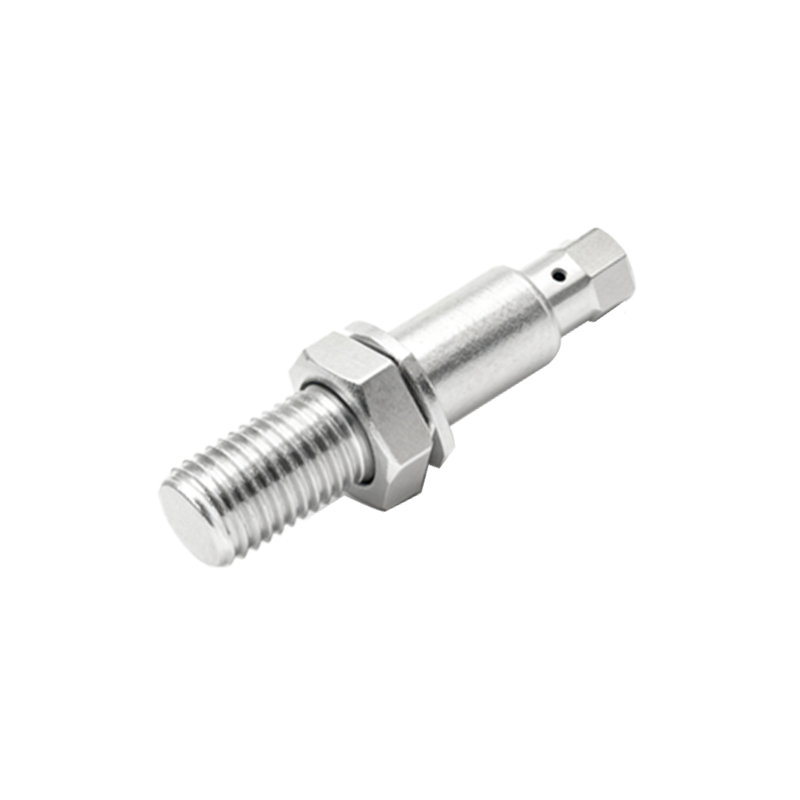
When integrating a Nova proximity sensor into a system, several engineering considerations are paramount. Power supply requirements must be meticulously matched; typically, these sensors operate on DC voltages ranging from 10-30V DC. The choice between diffuse, retro-reflective, or through-beam sensing modes depends on the target object's properties, required range, and environmental factors. Diffuse sensors, where the emitter and receiver are in the same housing, are common for general object detection. For longer ranges or detection of transparent objects, through-beam or polarized retro-reflective models may be necessary. Ambient light conditions also require evaluation, as intense external light sources can interfere. Selecting a sensor with a modulated IR signal and synchronous detection circuitry, a hallmark of the Nova series, effectively mitigates this issue.
Installation and alignment are critical for optimal performance. Sensors should be mounted securely to prevent misalignment from vibration. The sensing face must be kept clean from obstructions like dust or grease, which can attenuate the light beam. For distance measurement applications, regular calibration against a known standard is recommended to maintain accuracy over time. Troubleshooting common issues often involves checking the indicator LED (if present), verifying power and ground connections, ensuring the object is within the specified sensing range and is capable of reflecting sufficient light, and confirming that the output load (e.g., a PLC input) is within the sensor's specifications.
Looking ahead, the future of Nova and similar proximity sensing technology is intertwined with trends toward miniaturization, increased intelligence, and enhanced connectivity. The integration of time-of-flight (ToF) technology in compact form factors is enabling more precise 3D sensing. Furthermore, the fusion of proximity data with other sensor inputs (like temperature or vibration) on a single chip is creating multifunctional sensing nodes for smarter system control.
In conclusion, Nova proximity light sensors represent a mature yet continuously advancing technology. Their ability to provide reliable, non-contact