In the vast and often monolithic landscape of industrial automation, a quiet revolution is being led by small, specialized proximity sensor companies. While industry giants dominate market share with broad portfolios, these agile players are carving out significant niches by focusing on extreme performance, customization, and rapid adaptation to emerging challenges. Their story is not just one of survival, but of driving innovation from the edges of the industry.
The traditional value proposition of large sensor manufacturers is volume, global supply chains, and standardized solutions. However, this very strength can become a limitation. Development cycles for new sensor variants in large corporations can be lengthy, and the economic viability of highly specialized, low-volume applications is often questioned. This is where small proximity sensor companies excel. Unburdened by layers of bureaucracy, they operate with a lean, engineering-driven ethos. A customer's unique problem—be it detecting a transparent film at high speed, operating in a previously unthinkable temperature range, or fitting into a microscale assembly robot—is not seen as an anomaly but as their core business opportunity. They thrive on "impossible" requests.
Their innovation often manifests in three key areas. First is material and packaging science. A small company might pioneer the use of a novel polymer for the sensor face to resist specific chemical abrasion in food processing or pharmaceutical environments, a specification too narrow for a mass producer. They experiment with housing shapes and mounting options that defy conventional DIN standards to solve spatial constraints in compact machinery, particularly in the burgeoning fields of collaborative robotics and micro-electronics assembly.
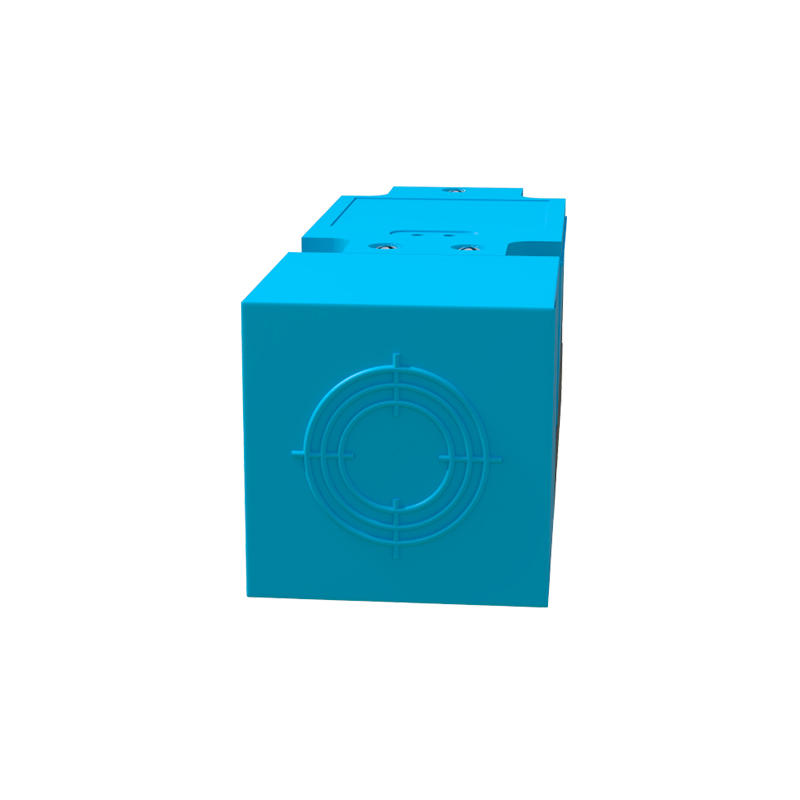
Second is signal processing and intelligence. Leveraging commercially available microprocessors and developing proprietary algorithms, these firms embed smarter functionality into their sensors. Examples include sensors that can learn and compensate for background interference, provide advanced diagnostics via IO-Link, or offer precise analog output for delicate positioning tasks beyond simple on/off detection. This turns a basic proximity switch into a valuable data point in the Industry 4.0 ecosystem.
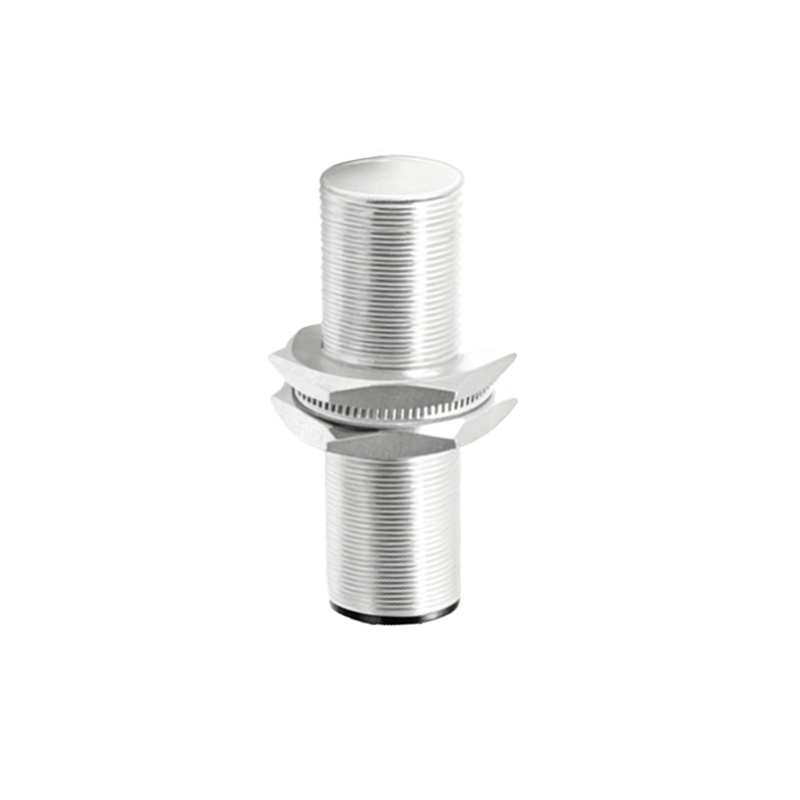
Third is application-specific integration. Some niche companies don't just sell a sensor; they provide a complete sensing solution. This could involve a custom array of inductive sensors pre-mounted on a bracket for a automotive welding line, or a capacitive sensor system calibrated specifically for monitoring fill levels of a non-conductive powder. Their deep vertical knowledge in sectors like semiconductor manufacturing, packaging, or renewable energy allows them to speak the customer's language and pre-empt problems.
The business model of these agile entities is fundamentally different. Their sales cycle is often consultative, starting with a technical dialogue. Their manufacturing frequently relies on highly flexible, small-batch production lines and strategic partnerships with specialized component suppliers. This agility comes with inherent challenges, of course. They must constantly manage supply chain vulnerabilities, invest heavily in direct, expert-level marketing to reach their targeted audience, and build a reputation for reliability that can compete with the ingrained trust in established brands.
However, the market forces are increasingly in their favor. The trend towards mass customization and shorter product life cycles in end-user industries demands faster innovation cycles from equipment builders. OEM machine designers seek partners who can move as quickly as they do. Furthermore, the proliferation of communication protocols like IO-Link has created a more level playing field, allowing a sensor from a small company to plug-and-play into a network as seamlessly as one from a major brand, with its advanced data fully accessible.
In conclusion, the ecosystem of proximity sensing is healthier and more dynamic because of these niche players. They act as innovation catalysts, pushing the boundaries of what a proximity sensor can be and do. They force larger competitors to respond and improve. For engineers and machine builders facing a tricky sensing challenge, looking beyond the traditional catalogs to these specialized innovators is often the fastest path to a robust solution. The future of sensor technology will undoubtedly be shaped by the giants, but it will be relentlessly refined and redefined by the nimble, focused, and deeply technical small companies that listen closely to the unique whispers of industry's needs.