In the realm of industrial automation and control systems, proximity sensor jacks play a pivotal role as critical interface components. A proximity sensor jack, often referred to simply as a connector or plug, is the physical port designed to link proximity sensors to control units, programmable logic controllers (PLCs), or other electronic devices. These jacks facilitate the transmission of electrical signals generated by proximity sensors, which detect the presence or absence of objects without physical contact, enabling seamless integration into automated machinery and safety systems.
Proximity sensor jacks are engineered to meet stringent industrial standards, ensuring durability, reliability, and resistance to environmental factors such as moisture, dust, and vibration. Typically constructed from robust materials like thermoplastics or metals, they feature precise pin configurations that correspond to sensor wiring—commincluding power supply, ground, and output signal lines. Common types include M8, M12, and M23 connectors, with M12 being widely adopted due to its compact size and versatility in various applications, from manufacturing lines to robotics. The design often incorporates locking mechanisms, such as threaded couplings or bayonet locks, to prevent accidental disconnections in high-vibration settings, thereby maintaining operational continuity and reducing downtime risks.
From a technical perspective, these jacks support different sensor technologies, including inductive, capacitive, and magnetic proximity sensors. Inductive sensors, for instance, detect metallic objects and require jacks with specific shielding to minimize electromagnetic interference. Wiring configurations vary, with 3-pin and 4-pin setups being prevalent: 3-pin jacks handle basic functions like power and switching signals, while 4-pin versions accommodate additional features such as analog outputs or diagnostic capabilities. Proper installation involves matching the jack's specifications—voltage rating, current capacity, and IP (Ingress Protection) rating—to the sensor and application environment. For example, in harsh conditions like outdoor plants or washdown areas, jacks with high IP ratings (e.g., IP67 or IP69K) are essential to prevent corrosion and ensure long-term performance.
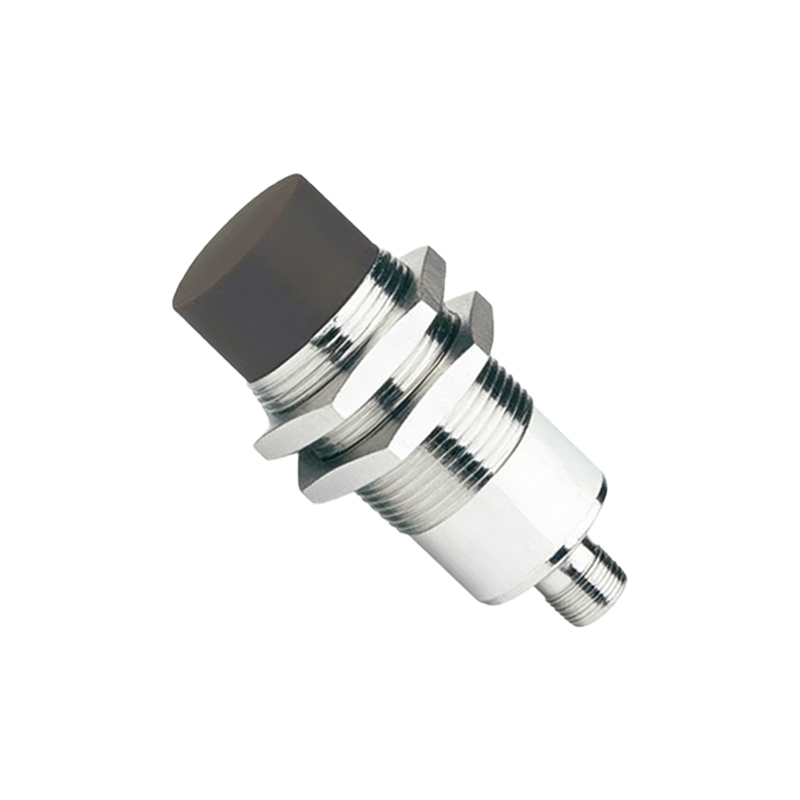
The significance of proximity sensor jacks extends beyond mere connectivity; they enhance system efficiency by enabling quick sensor replacement and maintenance. Modular designs allow technicians to swap sensors without rewiring entire systems, saving time and labor costs. Moreover, standardized jacks promote interoperability across equipment from different manufacturers, fostering flexibility in automation upgrades. In safety-critical applications, such as emergency stop circuits or machine guarding, reliable jack connections are vital to prevent false triggers or failures that could lead to accidents. Regular inspection for wear, corrosion, or loose fittings is recommended as part of preventive maintenance protocols.
Innovations in proximity sensor jack technology continue to evolve, with trends toward miniaturization, increased data transmission speeds, and smart features like integrated diagnostics. For instance, some modern jacks include LED indicators for status monitoring or RFID tags for asset tracking. As Industry 4.0 advances, these components are integral to interconnected systems, supporting real-time data exchange and predictive maintenance. Engineers must stay informed about industry standards, such as those set by IEC (International Electrotechnical Commission) or ISO (International Organization for Standardization), to ensure compliance and optimal performance.
In summary, proximity sensor jacks are indispensable elements in industrial automation, bridging sensors and control systems with precision and resilience. Their design, selection, and maintenance directly impact operational reliability, safety, and productivity. By understanding their functions and specifications, professionals can make informed decisions to enhance automation workflows and adapt to emerging technological demands.