In the rapidly evolving landscape of industrial automation and consumer electronics, the relentless pursuit of miniaturization has led to the development of some of the world's smallest proximity sensors. These engineering marvels, often no larger than a grain of rice, are redefining the boundaries of design and functionality across countless applications. A proximity sensor is a device that detects the presence or absence of an object within a specified range without any physical contact. The smallest variants achieve this through advanced technologies like micro-electro-mechanical systems (MEMS), specialized photoelectric principles, or ultra-compact inductive and capacitive sensing elements.
The core challenge in creating such minuscule sensors lies in maintaining robust performance metrics—such as sensing distance, repeatability, and environmental immunity—while drastically reducing the physical footprint. Engineers achieve this through innovative chip-scale packaging, application-specific integrated circuits (ASICs), and novel material science. For instance, some of the smallest photoelectric sensors utilize a vertical-cavity surface-emitting laser (VCSEL) and a monolithic photodiode array on a single silicon chip, enabling sub-millimeter sensing with remarkable accuracy. Similarly, micro-inductive sensors are being fabricated using thin-film techniques, allowing them to detect metallic objects at short ranges despite their tiny form factor.
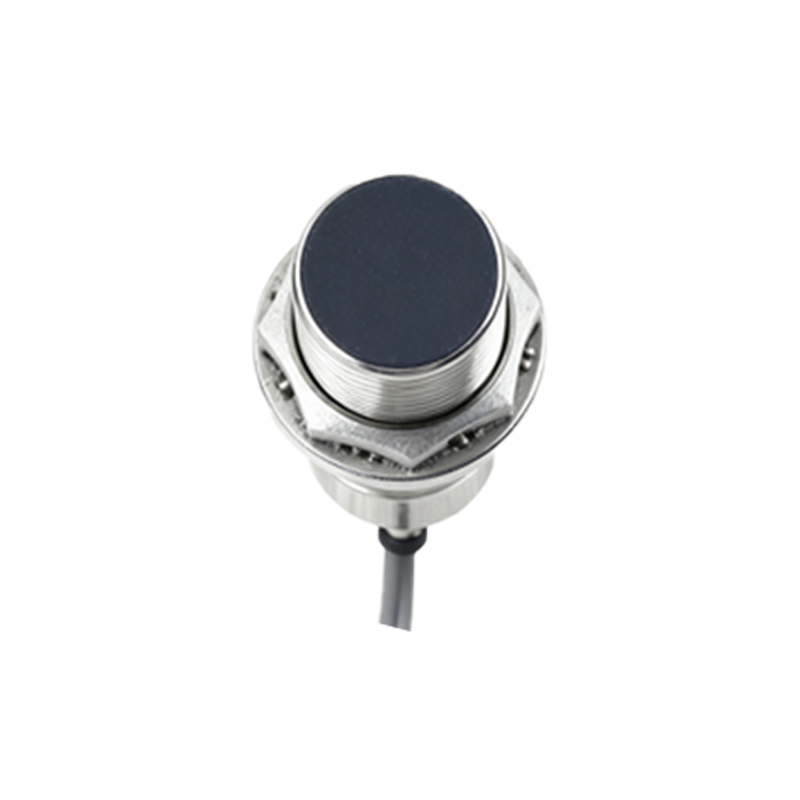
The applications for these tiny detectors are vast and transformative. In consumer electronics, they are integral to enabling touchless gestures, screen blanking in smartphones when held to the ear, and lid-open detection in ultra-thin laptops. Within the medical device industry, they facilitate precise positioning in surgical robots, ensure correct dosage in insulin pumps, and monitor fluid levels in compact diagnostic equipment. The industrial sector benefits immensely, employing these sensors for ultra-precise part counting, minute component alignment on micro-assembly lines, and condition monitoring in densely packed machinery where space is at an absolute premium. Their low power consumption, a direct benefit of their small size, is critical for battery-operated and energy-harvesting IoT devices.
However, designing with the world's smallest proximity sensors presents unique engineering considerations. The reduced sensing distance, often just a few millimeters, requires meticulous mechanical design to ensure the target enters the precise detection zone. Electrical noise immunity can be more challenging due to the proximity of other components on a crowded printed circuit board (PCB). Furthermore, environmental factors like condensation, dust, or temperature swings can have a more pronounced effect on a micro-sensor's performance compared to its larger counterparts. Therefore, successful implementation demands careful sensor selection, precise PCB layout, and thorough environmental testing.
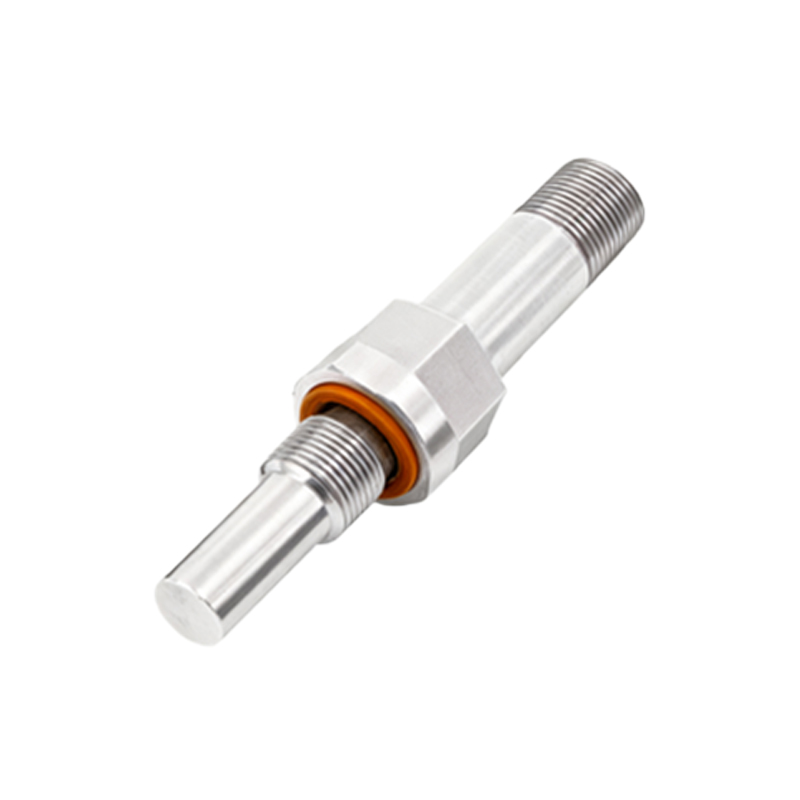
Looking ahead, the trajectory for miniaturization continues. Research is focused on integrating sensing, processing, and wireless communication into single-package "sensor nodes," pushing the boundaries of the Internet of Things (IoT). Nanotechnology and new quantum sensing principles may soon yield sensors on a scale previously unimaginable. The development of the smallest proximity sensors is not merely a feat of making things smaller; it is a fundamental enabler for smarter, more efficient, and more integrated technological solutions. It allows engineers to embed intelligence into products and systems where it was once physically impossible, quietly driving innovation in everything from wearable health monitors to next-generation industrial robots. These tiny components stand as a testament to the power of precision engineering, proving that the most significant advancements often come in the smallest packages.