Proximity sensors are essential components in modern industrial automation, enabling non-contact detection of objects within a specific range. These devices enhance efficiency, safety, and precision in various applications, from manufacturing lines to robotics. Based on their operating principles, proximity sensors can be categorized into several main types, each with unique characteristics and use cases.
Inductive proximity sensors are widely used for detecting metallic objects. They generate an electromagnetic field and sense changes caused by conductive materials, making them ideal for harsh environments with dust, oil, or moisture. Common applications include position sensing in machinery, metal detection in conveyors, and safety interlocks. These sensors are durable and offer high switching frequencies, but they are limited to ferrous and non-ferrous metals.
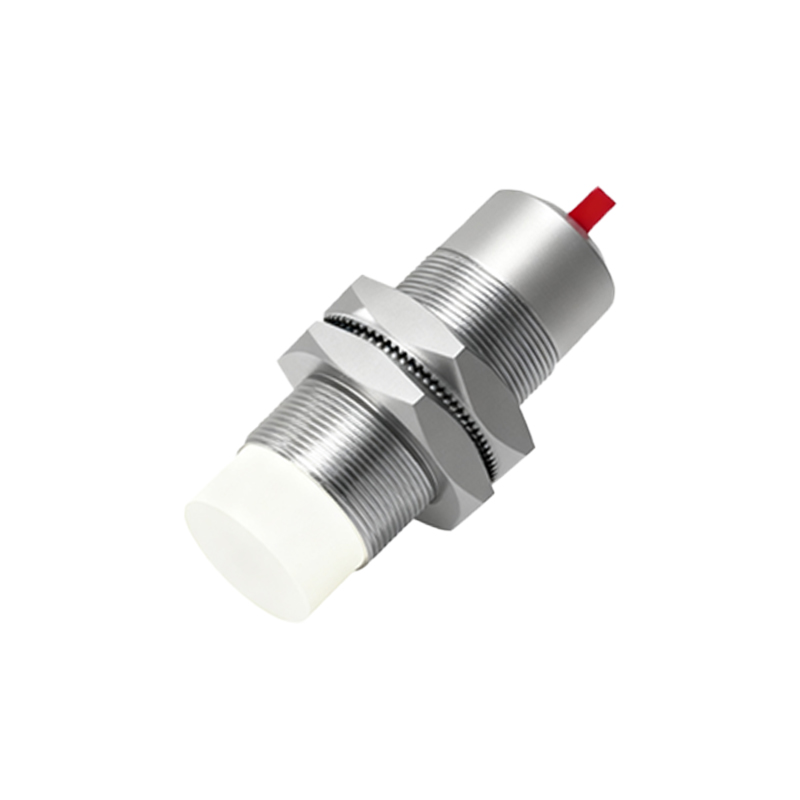
Capacitive proximity sensors can detect both metallic and non-metallic materials, such as plastics, liquids, or wood. They operate by measuring changes in capacitance when an object enters their electrostatic field. This versatility makes them suitable for level detection in tanks, material handling, and packaging systems. However, they may be sensitive to environmental factors like humidity, requiring careful calibration.
Ultrasonic proximity sensors use sound waves to detect objects, regardless of their material composition. They emit high-frequency ultrasonic pulses and measure the time taken for echoes to return, allowing for distance measurement and presence detection. These sensors excel in applications involving transparent or irregularly shaped objects, such as in automotive assembly or liquid level monitoring. Their performance can be affected by temperature variations and acoustic interference.
Magnetic proximity sensors rely on magnetic fields to detect permanent magnets or ferromagnetic objects. They are often used in applications requiring high reliability, like door position sensing in elevators or cylinder position detection in pneumatic systems. These sensors are simple, cost-effective, and resistant to contaminants, but their range is typically limited compared to other types.
Optical proximity sensors, including infrared and laser variants, detect objects by emitting light beams and analyzing reflections or interruptions. They offer high precision and fast response times, making them popular in electronics manufacturing, robotics, and automated guided vehicles (AGVs). However, they can be influenced by ambient light, dust, or color variations, necessitating proper shielding and maintenance.
Each type of proximity sensor has its advantages and limitations, and selection depends on factors like target material, environmental conditions, required range, and cost. Innovations in sensor technology continue to improve accuracy, miniaturization, and connectivity, integrating with IoT systems for smarter automation. By understanding these sensor types, engineers can optimize industrial processes for enhanced productivity and safety.