In the realm of industrial automation and machine control, proximity sensors stand as critical components for non-contact detection. Among the various specifications, the diameter of the sensor, particularly the 12mm variant, plays a pivotal role in determining its suitability for specific applications. This article delves into the technical aspects, selection criteria, and practical considerations surrounding proximity sensors with a diameter of 12mm, providing essential insights for engineers and technicians.
Proximity sensors with a 12mm diameter are predominantly cylindrical in shape, designed for easy integration into machinery and equipment. This specific size strikes an optimal balance between sensing performance, physical robustness, and spatial constraints. Commonly constructed from materials such as stainless steel (e.g., SUS303, SUS304) or nickel-plated brass, these sensors offer excellent resistance to environmental factors like oil, coolant, and metal chips, which are prevalent in manufacturing settings. The compact form factor allows for installation in tight spaces where larger sensors would be impractical, making them ideal for applications in robotics, conveyor systems, packaging machinery, and automated assembly lines.
From a functional perspective, the 12mm diameter typically houses either inductive or capacitive sensing elements. Inductive proximity sensors are the most common for metallic object detection. Their operating principle relies on generating an electromagnetic field; when a metallic target enters this field, it induces eddy currents, causing a change in oscillation amplitude that is detected by the sensor's circuit. The sensing range for a standard 12mm inductive sensor is usually up to 4mm (adjustable based on the specific model and target material). Key performance parameters include repeat accuracy, response frequency (often up to several kHz), and temperature tolerance, which can range from -25°C to +70°C or higher for specialized models.
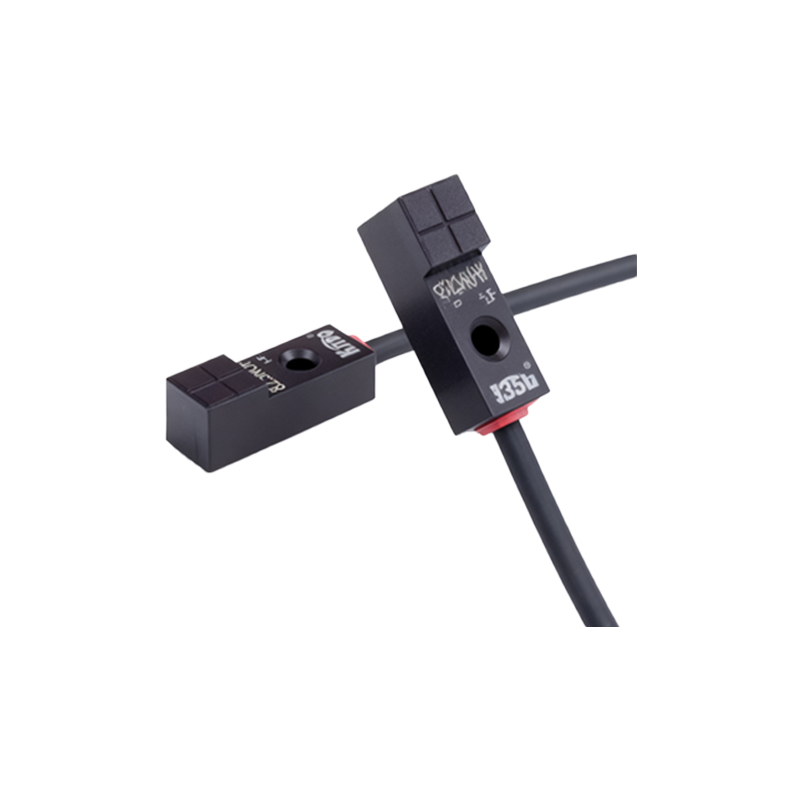
Capacitive 12mm proximity sensors, on the other hand, can detect both metallic and non-metallic objects (e.g., plastics, liquids, wood) by measuring changes in capacitance. This versatility makes them suitable for level detection, material handling, and presence sensing of diverse substances. When selecting between inductive and capacitive types, engineers must consider the target material, required sensing distance, environmental conditions (humidity, dust), and the necessary output signal (e.g., PNP, NPN, analog, or IO-Link).

Electrical characteristics are another crucial consideration. Most 12mm proximity sensors operate on DC voltages (commonly 10-30V DC) or sometimes AC, with current consumption typically below 20mA. The output configuration—sourcing (PNP) or sinking (NPN)—must be compatible with the control system's input module (PLC, microcontroller). Furthermore, many modern 12mm sensors feature built-in protection against short-circuit, reverse polarity, and overload, enhancing system reliability and reducing downtime.
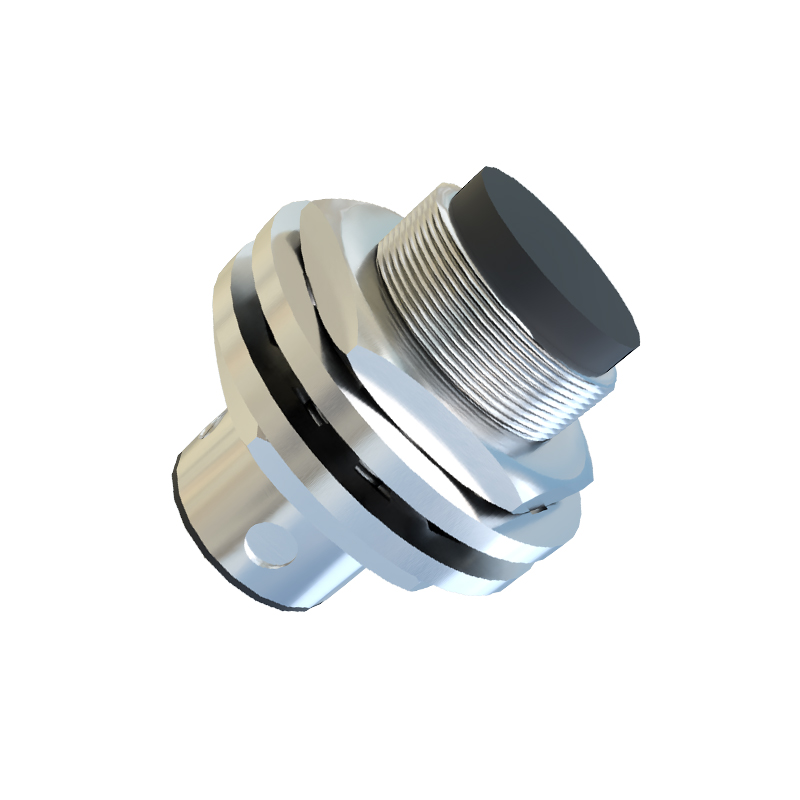
Installation and mounting demand careful attention. The 12mm diameter usually corresponds to an M12 threaded housing, allowing for straightforward mounting using standard locknuts. It is vital to ensure proper flush or non-flush mounting as specified by the manufacturer, as this directly affects the effective sensing range. For instance, a flush-mountable sensor can be embedded in metal without a reduction in range, whereas a non-flush type requires a clearance zone around the sensing face. Environmental sealing, typically rated at IP67 or IP69K, ensures reliable operation in washdown or harsh industrial environments.
Maintenance and troubleshooting are relatively straightforward. Regular checks should include verifying the power supply, inspecting the sensing face for contamination (which can attenuate the signal), and testing the output with a target at the specified distance. Common issues like reduced sensing distance often stem from accumulated debris or misalignment.
In summary, the 12mm diameter proximity sensor is a versatile and reliable workhorse in industrial automation. Its compact size, robust construction, and adaptable sensing technologies make it indispensable for precise object detection and position feedback. By carefully evaluating application requirements against sensor specifications—encompassing sensing type, range, electrical output, and environmental ratings—engineers can ensure optimal performance and longevity in their automated systems. As Industry 4.0 advances, these sensors continue to evolve, integrating smarter features like diagnostic capabilities and network connectivity, further solidifying their role in efficient and intelligent manufacturing.