In the realm of industrial automation and machine safety, the reliable detection of objects without physical contact is paramount. Among the myriad of sensing solutions available, the S1102 inductive proximity sensor stands out as a robust and versatile component. This article delves into the technical specifications, operational principles, application scenarios, and best practices for integrating the S1102 sensor into modern electrical systems.
The S1102 is a cylindrical, shielded inductive proximity sensor designed for the non-contact detection of metallic objects. Its core operating principle is based on electromagnetic induction. The sensor generates a high-frequency oscillating electromagnetic field from its active face. When a metallic target enters this field, eddy currents are induced within the target. This causes a change in the oscillation amplitude within the sensor's internal LC tank circuit. This change is detected by the sensor's circuitry, which subsequently triggers a solid-state switching output, typically in the form of a PNP (sourcing) or NPN (sinking) transistor. The S1102's shielded design allows for flush mounting in metal, providing greater installation flexibility and space savings compared to unshielded variants.
Key technical parameters define the S1102's performance envelope. The sensing distance, or nominal range, is a critical specification, often standardized (e.g., 2mm, 4mm, 8mm). It is crucial to note that this is the detection range for a standard mild steel target. For other metals like stainless steel, aluminum, or copper, the effective sensing range is reduced due to differences in electrical conductivity and magnetic permeability; a derating factor must be applied. The sensor operates on a standard DC supply voltage, commonly within a range of 10-30V DC. Its output configuration must be carefully matched to the PLC or controller input module. The S1102 typically features a short-circuit and reverse polarity protection, enhancing its durability in harsh industrial environments. Its housing is usually constructed from nickel-plated brass or stainless steel, offering high resistance to mechanical impacts, vibrations, and common industrial coolants or oils. Many models also boast an IP67 or IP68 ingress protection rating, making them suitable for washdown areas.
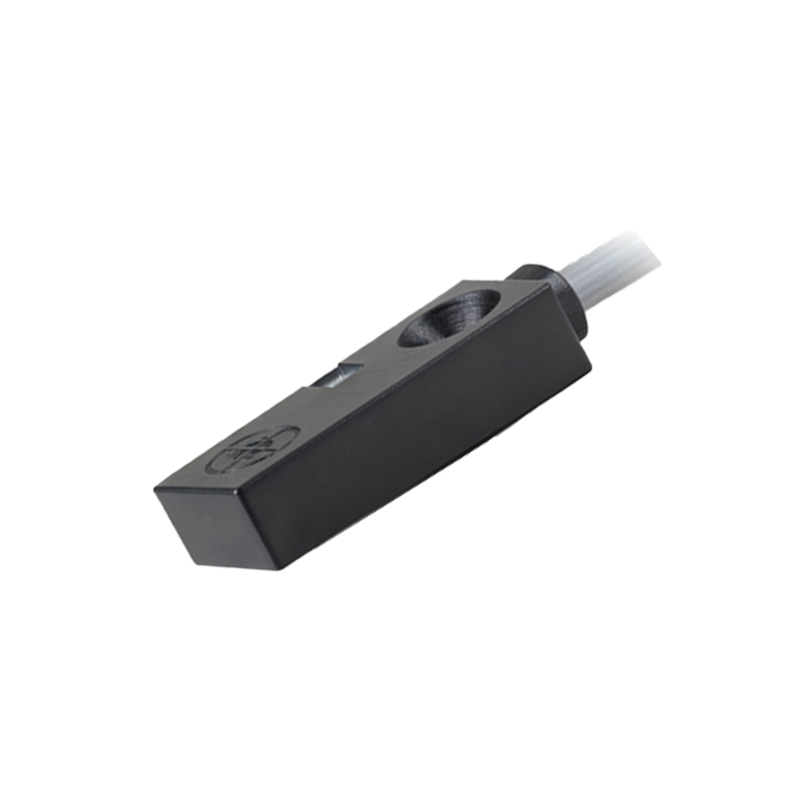
The application spectrum for the S1102 proximity sensor is vast. A primary use is in position sensing and end-of-travel detection on linear actuators, cylinders, and slides. It provides a precise, wear-free alternative to mechanical limit switches. In rotary applications, it can detect the presence of gear teeth, keyways, or holes on a rotating shaft, enabling speed monitoring or indexing. On conveyor systems, S1102 sensors are indispensable for counting products, detecting jams, or verifying the presence of components. Within automated assembly and packaging machinery, they ensure parts are correctly positioned before a process step, such as welding, pressing, or filling, is initiated. Their robust nature also makes them ideal for safety interlocks on machine guards, where reliable detection of a closed guard door is essential for operator safety.
Successful integration hinges on proper selection, installation, and wiring. First, select the correct sensing range and housing diameter (e.g., M8, M12, M18, M30) for the application. Ensure the target material and size meet the sensor's specifications. During installation, maintain the recommended lateral and axial spacing between multiple sensors to prevent mutual interference. For flush-mounted shielded sensors, ensure the surrounding metal is recessed to avoid influencing the sensing field. Wiring must adhere to the manufacturer's diagram: connect the brown wire (typically) to the positive DC supply, the blue wire to the negative/common, and the black wire (for PNP) as the switched output to the load. Always implement electrical noise suppression measures, such as using shielded cables in high-noise environments and installing ferrite cores if necessary. For long cable runs, consider voltage drop to ensure the sensor receives adequate voltage.
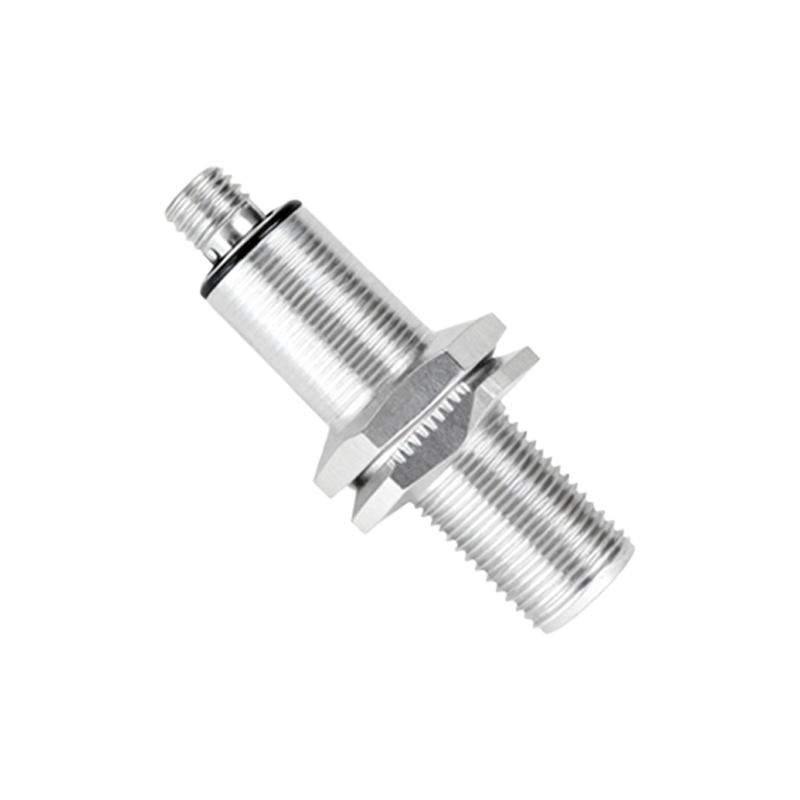
Troubleshooting common issues often involves a systematic approach. If a sensor fails to detect a target, verify the power supply voltage, check for physical damage or contamination on the sensing face, confirm the target is within range and made of a detectable material, and test the output with a multimeter. False triggering can result from electrical noise, incorrect grounding, or the presence of other metallic objects in the sensing field. Intermittent operation may point to a loose connection, a failing cable, or an unstable power supply. Regular preventive maintenance, including cleaning the sensing face and checking mounting integrity, can prevent many such failures.
In conclusion, the S1102 inductive proximity sensor is a fundamental building block in industrial control systems. Its non-contact operation, high switching frequency, and exceptional durability make it a preferred choice for engineers designing reliable and efficient automation solutions. By understanding its technical nuances and adhering to