In the realm of industrial automation and control systems, proximity switch sensors are indispensable components for non-contact detection of objects. While the sensing element itself is critical, the housing—the protective enclosure—plays an equally vital role in ensuring reliability, longevity, and performance. Standard housings cater to a wide range of applications, but many demanding industrial environments necessitate non-standard proximity switch sensor housings. These custom-designed enclosures are engineered to overcome specific challenges that off-the-shelf solutions cannot address.
The primary driver for opting for a non-standard housing is environmental protection. Industrial settings often present extreme conditions such as high-pressure washdowns, corrosive chemical exposure, extreme temperatures, abrasive dust, or heavy mechanical impact. A standard plastic or mild steel housing may quickly degrade under such stress. Non-standard housings are therefore designed with specialized materials. For instance, housings machined from 316 stainless steel offer superior corrosion resistance in marine or chemical processing applications. For high-temperature environments near furnaces or ovens, housings may be constructed from high-temperature resistant alloys or engineered thermoplastics like PEEK (Polyether Ether Ketone). In food and pharmaceutical industries, where hygiene is paramount, housings with smooth, crevice-free surfaces made from FDA-approved materials facilitate easy cleaning and prevent bacterial growth.
Beyond material selection, the geometric design of a non-standard housing is tailored to fit unique spatial constraints. Machinery design often leaves limited space for sensor installation. A custom housing can be engineered in an elongated, flattened, or angled form factor to fit into tight spaces without compromising the sensor's sensing range or functionality. Furthermore, the mounting configuration—be it threaded, flange-mounted, or bracket-based—is customized to integrate seamlessly with existing machine frames, reducing installation time and complexity.
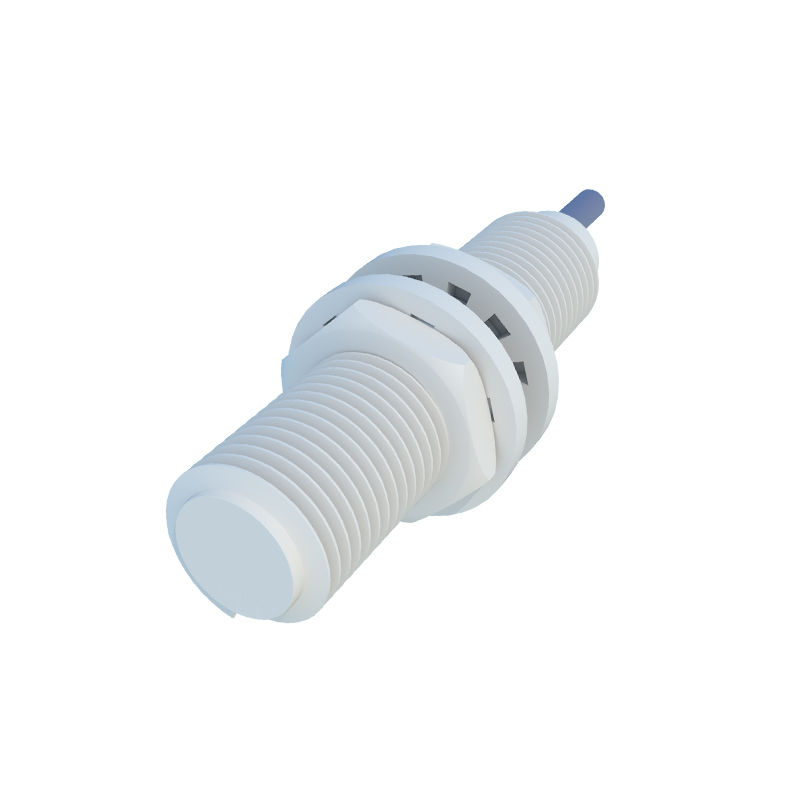
Electrical and sealing integrity is another cornerstone of non-standard housing design. The cable entry point is a critical area vulnerable to strain and fluid ingress. Custom solutions may include molded cable glands, integrated PUR (polyurethane) or TPE (thermoplastic elastomer) cables with high flex life, or hermetically sealed connectors like M12 or M23. The ingress protection (IP) rating, such as IP67, IP68, or IP69K, is a key specification that dictates the sealing design. Achieving a high IP rating often requires custom gasket geometries, specialized sealing compounds, and precision machining of mating surfaces to ensure a perfect seal against dust and high-pressure liquids.
The development process for a non-standard housing is collaborative. It begins with a detailed application analysis involving the sensor manufacturer and the end-user or OEM (Original Equipment Manufacturer). Parameters such as the sensing object material, required sensing distance, operating voltage, output type (PNP/NPN), ambient conditions, and mechanical load are defined. Prototyping, often using 3D printing for initial fit-checks, followed by CNC machining for functional prototypes, is a common step. Rigorous testing under simulated real-world conditions validates the design before full-scale production.
While non-standard housings offer unparalleled application-specific advantages, they come with considerations. Lead times are typically longer due to design and tooling phases. Unit costs are higher compared to mass-produced standard housings. However, the total cost of ownership often justifies the investment. A custom housing that prevents sensor failure in a critical production line avoids costly downtime, maintenance labor, and replacement parts. It enhances system reliability, safety, and overall operational efficiency.
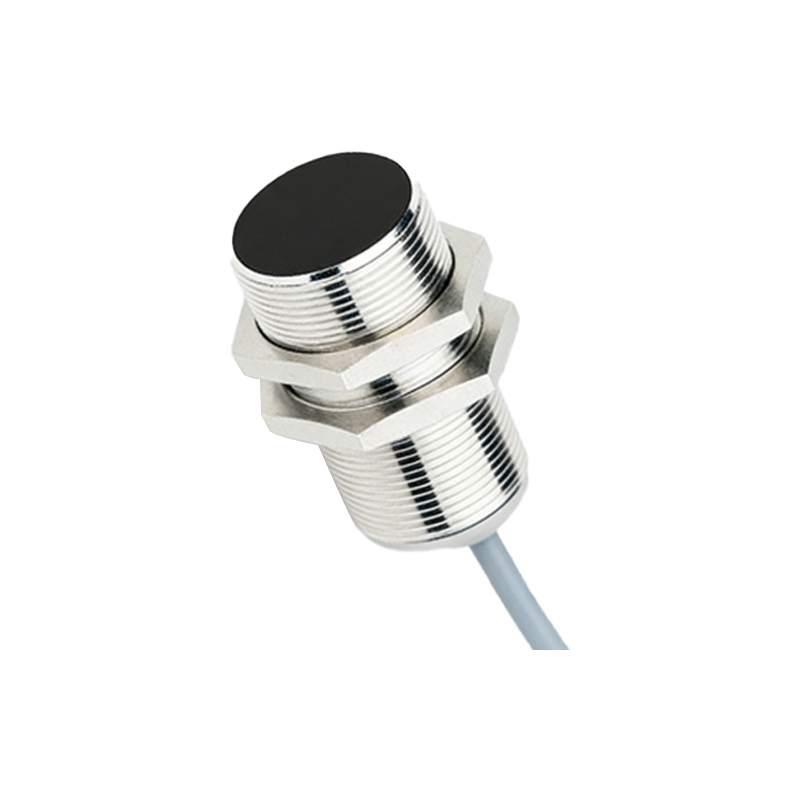
In conclusion, non-standard proximity switch sensor housings represent a fusion of protective engineering and practical application needs. They are not merely boxes but sophisticated components that extend the operational boundaries of sensors. By enabling precise material selection, bespoke geometry, and superior sealing, these custom enclosures ensure that proximity sensors can perform reliably in the most challenging corners of modern industry, from automated foundries and offshore platforms to sterile cleanrooms and high-speed packaging lines. The choice to invest in a non-standard solution is ultimately a strategic decision for long-term reliability and optimized machine performance.