In modern industrial automation, collision prevention is a critical aspect of ensuring operational safety, protecting valuable equipment, and maintaining continuous production flow. Among various sensing technologies, laser sensors have emerged as a superior solution for collision alert systems due to their high precision, reliability, and adaptability. This article delves into the principles, applications, and advantages of laser sensor-based collision alert mechanisms in industrial settings.
Laser sensors operate primarily on the time-of-flight (ToF) or triangulation principles. In ToF systems, the sensor emits a laser pulse and measures the time taken for the reflection to return, calculating distance with exceptional accuracy. Triangulation-based sensors use a laser beam projected onto a target, with a receiver detecting the reflected light's angle to determine position. Both methods enable real-time, non-contact detection of objects within a defined range, making them ideal for monitoring hazardous zones where machinery or vehicles operate.
The integration of laser sensors into collision alert systems involves several key components. A typical setup includes one or more laser scanners or LiDAR units strategically mounted around machinery, autonomous guided vehicles (AGVs), or robotic arms. These sensors continuously scan their environment, creating a detailed map of the surroundings. When an object enters a predefined safety zone—such as a perimeter around a moving robot—the sensor detects the intrusion and triggers an immediate alert. This alert can take various forms, from audible alarms and visual warnings to automated machine slowdowns or stops, thereby preventing potential collisions.

One of the standout features of laser sensors is their ability to function effectively in diverse environmental conditions. Unlike ultrasonic or infrared sensors, which may be affected by temperature fluctuations, dust, or ambient light, laser sensors maintain consistent performance. They offer high resolution, often detecting objects as small as a few millimeters, and can cover ranges from a few centimeters to several hundred meters. This versatility allows for customization in applications ranging from compact assembly lines to large-scale warehouse logistics.
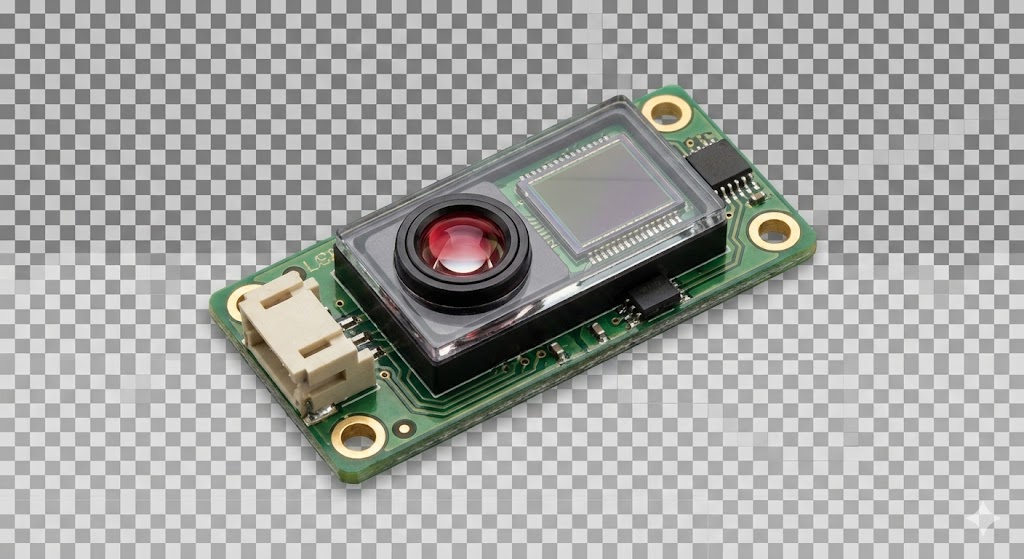
In practice, laser sensor collision alert systems are widely deployed across industries. In manufacturing, they safeguard workers interacting with robotic cells by creating virtual safety barriers. For example, in automotive plants, laser scanners monitor entry points to robotic welding stations, halting operations if a person approaches too closely. In logistics, AGVs equipped with laser sensors navigate warehouses autonomously while avoiding obstacles like pallets or other vehicles, enhancing efficiency and reducing accident risks. Additionally, in heavy industries such as mining or construction, laser-based systems on large equipment prevent collisions with structures or personnel in blind spots.
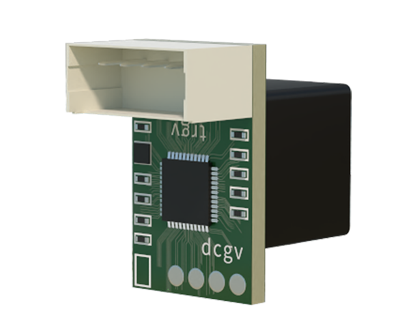
The advantages of using laser sensors for collision alerts are manifold. Firstly, they provide high-speed response times, often in milliseconds, which is crucial in dynamic environments where delays could lead to damage or injury. Secondly, their precision reduces false alarms, minimizing unnecessary downtime. Thirdly, laser sensors are durable and require minimal maintenance, offering long-term cost savings. Moreover, with advancements in IoT and Industry 4.0, these sensors can be integrated into networked systems, enabling data analytics for predictive maintenance and safety optimization.
Despite their benefits, implementing laser sensor collision alert systems requires careful consideration. Factors such as sensor placement, calibration, and environmental interference must be addressed during installation. Regular testing and updates to software algorithms are also essential to adapt to changing operational conditions. However, with proper planning, these systems significantly enhance workplace safety and productivity.
Looking ahead, the evolution of laser sensor technology promises even greater capabilities. Innovations like 3D LiDAR and AI-enhanced detection are set to improve accuracy and enable more complex applications, such as in collaborative robotics where humans and machines work side-by-side. As industries continue to prioritize automation and safety, laser sensor-based collision alert systems will remain a cornerstone of modern industrial engineering, driving progress toward zero-accident environments.
In summary, laser sensors offer a robust, precise, and adaptable solution for collision prevention in industrial automation. By leveraging their real-time detection and alerting features, businesses can protect assets, ensure worker safety, and optimize operations, ultimately contributing to a safer and more efficient industrial landscape.