In the realm of industrial automation and safety systems, proximity sensors designed for human detection play a crucial role in enhancing operational efficiency and preventing accidents. These sensors, often referred to as human presence or approach sensors, utilize various technologies to detect the presence or movement of personnel within a specified range. This article explores several commonly used models of proximity sensors tailored for human detection, highlighting their key features, typical applications, and technological distinctions.
One prevalent type is the capacitive proximity sensor. Models such as the Omron E2K-X series are widely employed for detecting human presence through changes in capacitance caused by the human body. These sensors are non-contact and can detect through non-metallic materials like plastic or wood, making them suitable for applications in automated doors, conveyor systems, and machinery guards. Their sensitivity is adjustable, allowing for fine-tuning to avoid false triggers from environmental factors. Typically, these sensors operate at frequencies that minimize interference, with detection ranges varying from a few millimeters to several centimeters, depending on the specific model and configuration.
Another common category is the infrared (IR) proximity sensor. The Panasonic GP2Y0A21YK0F is a notable example, utilizing infrared beams to detect human approach. These sensors work by emitting IR light and measuring the reflection from an object, including the human body. They are often used in applications like touchless switches, occupancy sensing in lighting systems, and security alarms. IR sensors offer advantages such as low power consumption and the ability to detect without physical contact, but they may be affected by ambient light or reflective surfaces. Advanced models incorporate modulation techniques to enhance reliability in diverse environments.
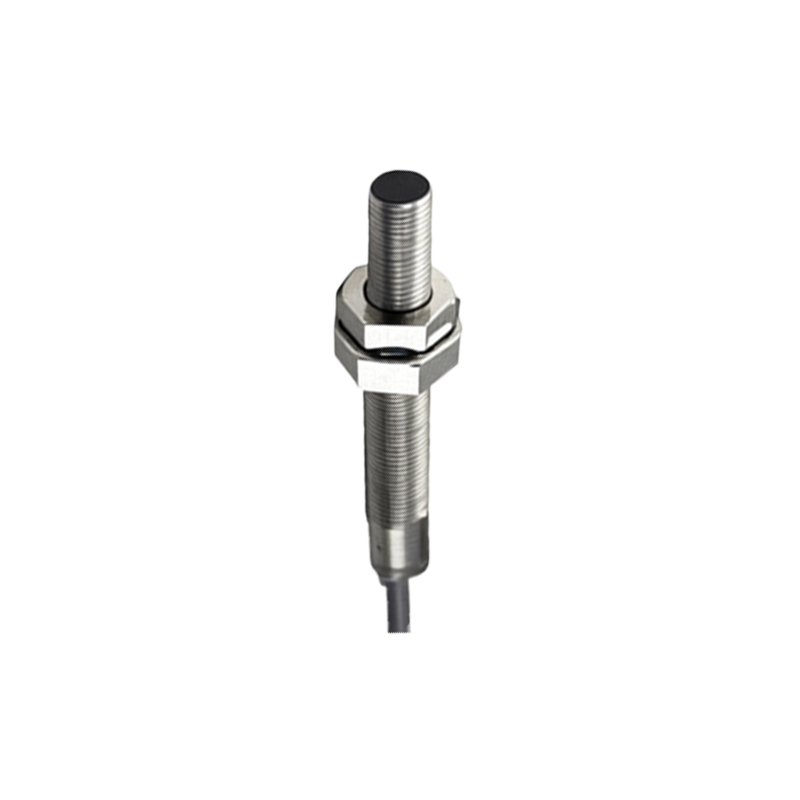
Ultrasonic proximity sensors, such as the Sick UM30 series, are also frequently utilized for human detection. These sensors emit high-frequency sound waves and analyze the echoes to determine the presence and distance of objects, including people. They are effective in harsh industrial settings where dust, moisture, or varying light conditions might impede other sensor types. Common applications include material handling systems, robotic cells, and automated guided vehicles (AGVs) where precise distance measurement is required. Ultrasonic models often feature robust housings and can detect over longer ranges compared to capacitive or IR sensors, making them versatile for large-scale installations.
Microwave Doppler sensors, like the Honeywell 943C Series, represent another advanced option for human proximity detection. These sensors operate by emitting microwave signals and detecting frequency shifts caused by moving objects, such as walking personnel. They are highly sensitive to motion and can cover wide areas, making them ideal for security systems, automatic lighting in warehouses, and energy management in buildings. However, they may require careful calibration to differentiate between human movement and other sources of motion, such as machinery vibrations.
In recent years, LiDAR-based proximity sensors have gained traction for human detection in high-precision applications. Models such as the Sick TiM series use laser scanning to create detailed maps of the environment, enabling accurate identification of human presence even in complex layouts. These sensors are commonly found in collaborative robotics, smart manufacturing lines, and autonomous systems where safety and precision are paramount. While more expensive than traditional options, LiDAR sensors offer superior range and resolution, along with the ability to integrate with digital control systems for real-time monitoring.
When selecting a proximity sensor for human detection, engineers must consider factors such as detection range, environmental conditions, response time, and cost. For instance, capacitive sensors are cost-effective for short-range applications, while ultrasonic or microwave sensors may be preferred for longer distances or outdoor use. Additionally, compliance with international safety standards, such as IEC 60947-5-2, is essential to ensure reliability and interoperability in industrial setups. Regular maintenance and testing are also recommended to sustain optimal performance over time.
Overall, the choice of proximity sensor model depends on the specific requirements of the application, including accuracy, durability, and integration capabilities. By understanding the strengths and limitations of each type, professionals can implement effective solutions that enhance safety and productivity in various industrial contexts. As technology evolves, newer models with enhanced features, such as IoT connectivity and AI-based analytics, are emerging to further refine human detection capabilities in automated environments.