Laser sensors represent a cornerstone technology in modern industrial automation, offering unparalleled precision, speed, and reliability for a vast array of measurement and detection tasks. Unlike conventional photoelectric sensors that use LED light, laser sensors employ a focused, coherent beam of light, typically from a laser diode. This fundamental difference grants them exceptional capabilities, making them indispensable in environments demanding micron-level accuracy or long-range sensing.
The core operating principle of most industrial laser sensors is based on optical triangulation or time-of-flight (ToF) measurement. In triangulation sensors, a laser diode projects a visible or invisible spot onto the target object. The reflected light is focused onto a position-sensitive detector (PSD) or a CMOS/CCD array. The position of the reflected spot on this detector shifts proportionally to the distance of the target. This displacement is analyzed by the sensor's internal processor to calculate the exact distance or presence of the object with high resolution. This method is ideal for precise displacement, thickness, and profile measurements at relatively short ranges.
For longer-range applications, such as level monitoring in large silos or vehicle detection, time-of-flight laser sensors are preferred. These sensors measure the time it takes for a laser pulse to travel to the target and back. Since the speed of light is constant, the sensor can accurately calculate the distance. Modern ToF sensors, often called laser rangefinders, can achieve impressive ranges from several meters to hundreds of meters with good accuracy.
The advantages of laser sensors are numerous. Their highly focused beam allows for precise detection of small objects or edges, minimizes interference from background objects, and enables operation in challenging conditions with ambient light. They provide extremely fast response times, often in the microsecond range, suitable for high-speed production lines. Furthermore, many models offer programmable logic controllers (PLC)-compatible outputs (e.g., NPN/PNP, analog 4-20mA, 0-10V, or digital communication protocols like IO-Link) for seamless integration into control systems.

Typical applications span across all industrial sectors. In electronics manufacturing, laser displacement sensors measure component coplanarity, solder paste height, and PCB warpage. In automotive assembly, they ensure precise gap and flush measurements between body panels. In packaging, they verify fill levels, count objects, and monitor material webs. In logistics, they guide automated guided vehicles (AGVs) and measure parcel dimensions. Their role in quality control and process automation is truly transformative.
However, selecting and applying laser sensors requires careful consideration. Key parameters include measuring range, spot size, resolution, repeatability, and linearity. The target surface properties—such as color, material, and texture—significantly influence performance. A shiny, specular surface may reflect the beam away from the detector, while a dark, absorbent surface may return too weak a signal. Many advanced sensors feature automatic teaching functions or background suppression algorithms to compensate for these variations. Environmental factors like dust, steam, vibration, and extreme temperatures must also be accounted for, often necessitating sensors with appropriate Ingress Protection (IP) ratings and robust housings.
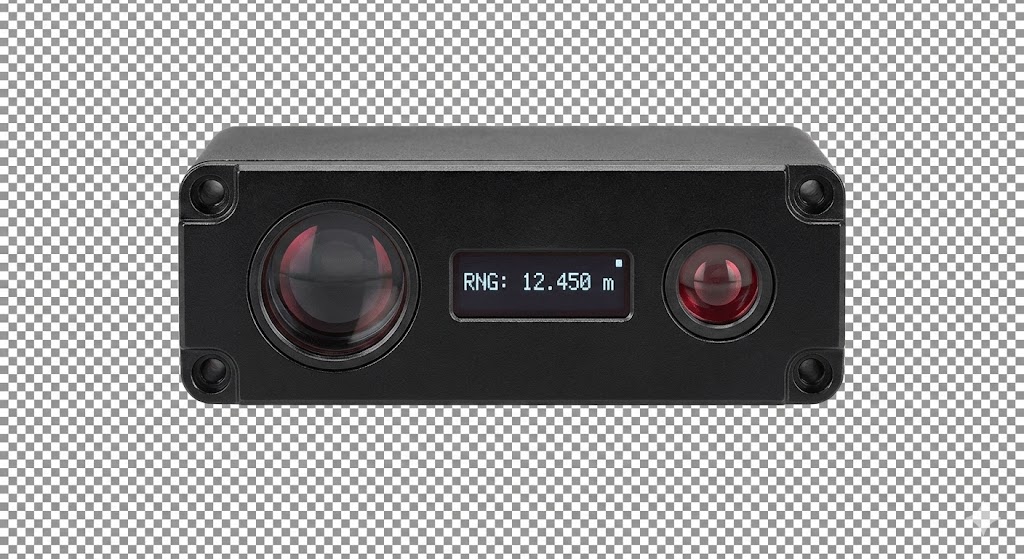
Installation and alignment are critical. The sensor must be mounted securely to prevent misalignment from vibration. Ensuring the laser beam is perpendicular to the target surface is essential for accurate triangulation-based measurements. Regular maintenance, primarily keeping the lens clean from dust and debris, is necessary for sustained optimal performance.
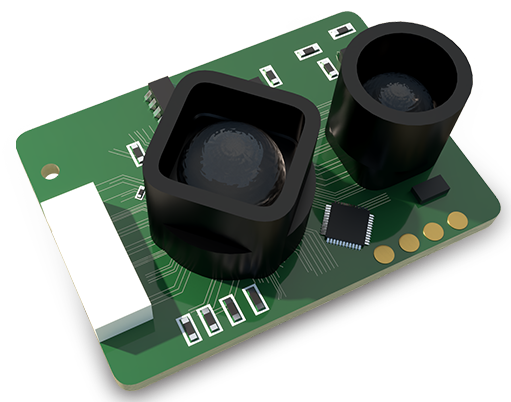
The future of laser sensing is intertwined with Industry 4.0. The integration of advanced features like integrated measurement data logging, cloud connectivity, and AI-powered analysis for predictive maintenance and adaptive process control is becoming standard. Furthermore, the development of safer, eye-safe laser classes (Class 1 or Class 2) has expanded their use in collaborative robot (cobot) workcells without extensive safety guarding.
In conclusion, laser sensors are powerful, versatile tools that solve complex measurement and detection challenges in automation. A deep understanding of their operating principles, key selection criteria, and application best practices empowers engineers and technicians to leverage their full potential, driving improvements in productivity, quality, and operational efficiency across the industrial landscape.