In the intricate world of modern printing technology, where speed, accuracy, and reliability are paramount, proximity sensors play a critical yet often underappreciated role. These non-contact electronic devices are fundamental to the seamless operation of printers, from high-volume industrial inkjet systems to compact desktop laser printers. Their primary function is to detect the presence, absence, or position of a target object—be it paper, a print head carriage, a toner cartridge, or a mechanical component—without any physical contact. This capability is essential for maintaining precise mechanical alignment, preventing jams, and ensuring consistent print quality.
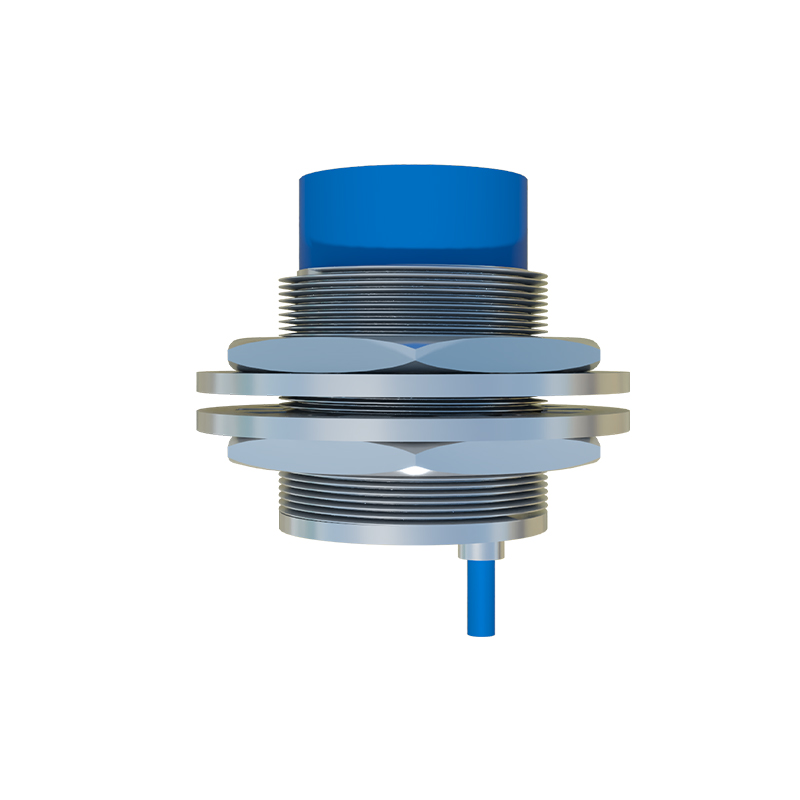
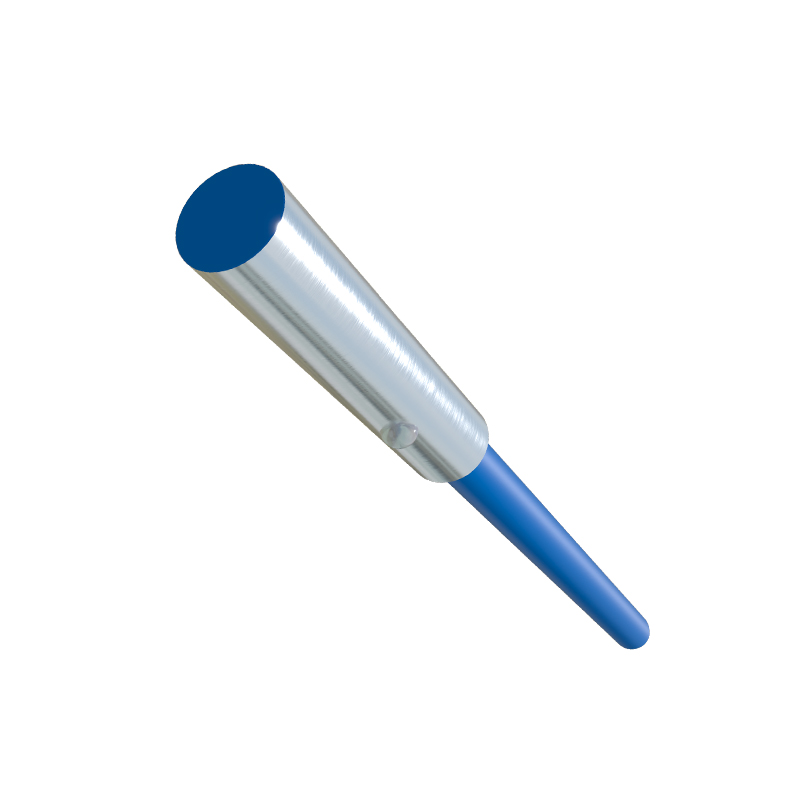
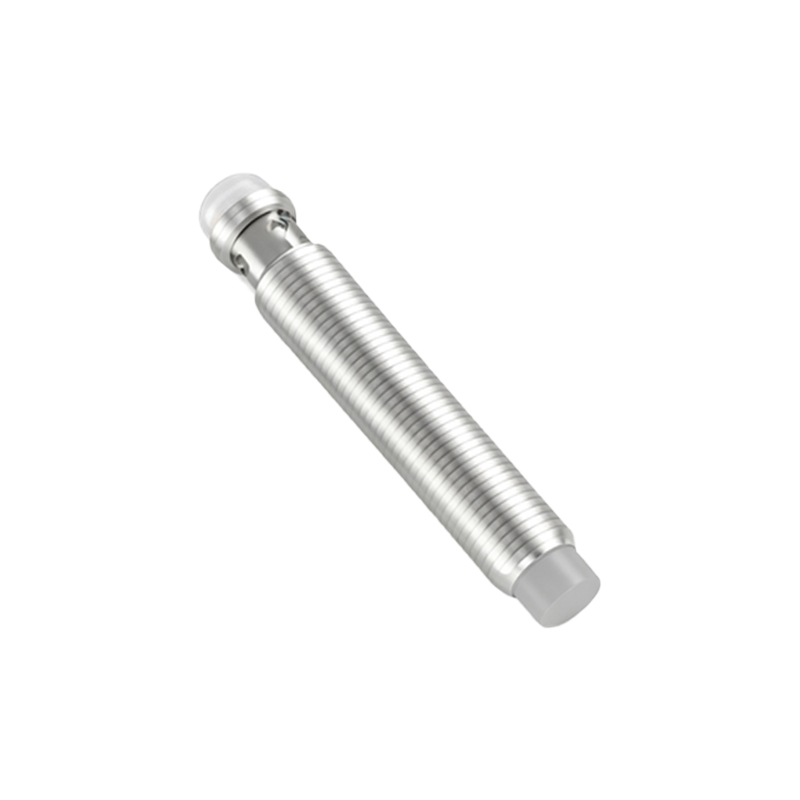
The operational principle of most proximity sensors used in printers is based on electromagnetic or optical technology. Inductive proximity sensors are commonly employed to detect metallic components. They generate an electromagnetic field and react to changes caused by a metallic target entering this field. In a printer, such sensors might monitor the position of the metal carriage holding the print head, ensuring it knows its exact "home" position before initiating a print job. This homing sequence is crucial for calibration and preventing the carriage from crashing into the ends of its track.
For non-metallic objects, such as paper, plastic gears, or toner bottles, capacitive or, more prevalently, optical sensors are the tools of choice. Optical sensors, including through-beam, retro-reflective, and diffuse reflective types, utilize a light emitter (usually an LED or infrared source) and a photodetector. In a paper path, a through-beam sensor might be positioned so that a sheet of paper breaks the light beam between the emitter and receiver, signaling the paper's presence and precise location. This detection is vital for tasks like paper registration, ensuring each sheet is fed into the printing mechanism at the exact correct moment and alignment. Misfeeds or double-feeds are often caught by these sensors, triggering an error state to prevent damage and waste.
The integration of these sensors into the printer's control system is a sophisticated process. The sensor acts as the "eyes" of the system, providing real-time feedback to the main controller or a dedicated motor control unit. This creates a closed-loop control system. For instance, as the paper feed roller turns, an optical encoder (a type of rotary sensor) monitors its rotation. Simultaneously, paper-path sensors confirm the sheet's progress. If the sensor does not detect the paper's leading edge within a calculated timeframe based on the roller's speed, the controller immediately infers a jam or misfeed and halts operations. This proactive error detection is far superior to systems that only discover a problem after mechanical damage has occurred.
The benefits of employing advanced proximity sensors in printer design are multifaceted. Firstly, they significantly enhance reliability and uptime. By preventing jams and misalignments before they cause hardware failure, sensors reduce maintenance needs and extend the printer's operational lifespan. Secondly, they are indispensable for achieving high precision. In color printing, especially, the alignment of multiple color passes (cyan, magenta, yellow, black) must be micron-perfect. Sensors that track the print head's position with extreme accuracy are key to this registration, directly impacting print quality. Thirdly, they enable smarter, more user-friendly devices. Sensors can detect when a paper tray is empty, when a door is open, or when a consumable like toner is low, communicating this information clearly to the user via the printer's interface.
Looking forward, the evolution of printer proximity sensors is aligned with broader trends in automation and the Industrial Internet of Things (IIoT). Sensors are becoming more intelligent, with built-in diagnostics and the ability to communicate richer data sets. In an industrial setting, a sensor might not only detect a paper jam but also predict one by monitoring subtle changes in paper feed resistance or timing over time, enabling predictive maintenance. Furthermore, miniaturization continues, allowing for more sensors to be packed into smaller form factors without sacrificing performance, which is critical for the ongoing development of compact, high-performance consumer and office printers.
In conclusion, proximity sensors are the silent guardians of the printing process. Their non-contact detection capabilities form the backbone of the feedback loops that make modern printers fast, reliable, and precise. From ensuring a single sheet of paper is correctly fed to guaranteeing the flawless alignment of a million-dollar industrial print job, these components are essential. For engineers designing the next generation of printing equipment, a deep understanding of sensor selection—considering factors like sensing distance, target material, response speed, and environmental robustness—remains a fundamental requirement for creating competitive and dependable products in an ever-advancing technological landscape.