Laser sensors have become indispensable tools in modern industrial automation, offering unparalleled precision, speed, and reliability. At the core of these systems lies the laser head, a critical component that generates and projects the laser beam used for measurement, detection, and alignment. This article delves into the operational principles, key types, and diverse applications of laser head sensors in industrial settings.
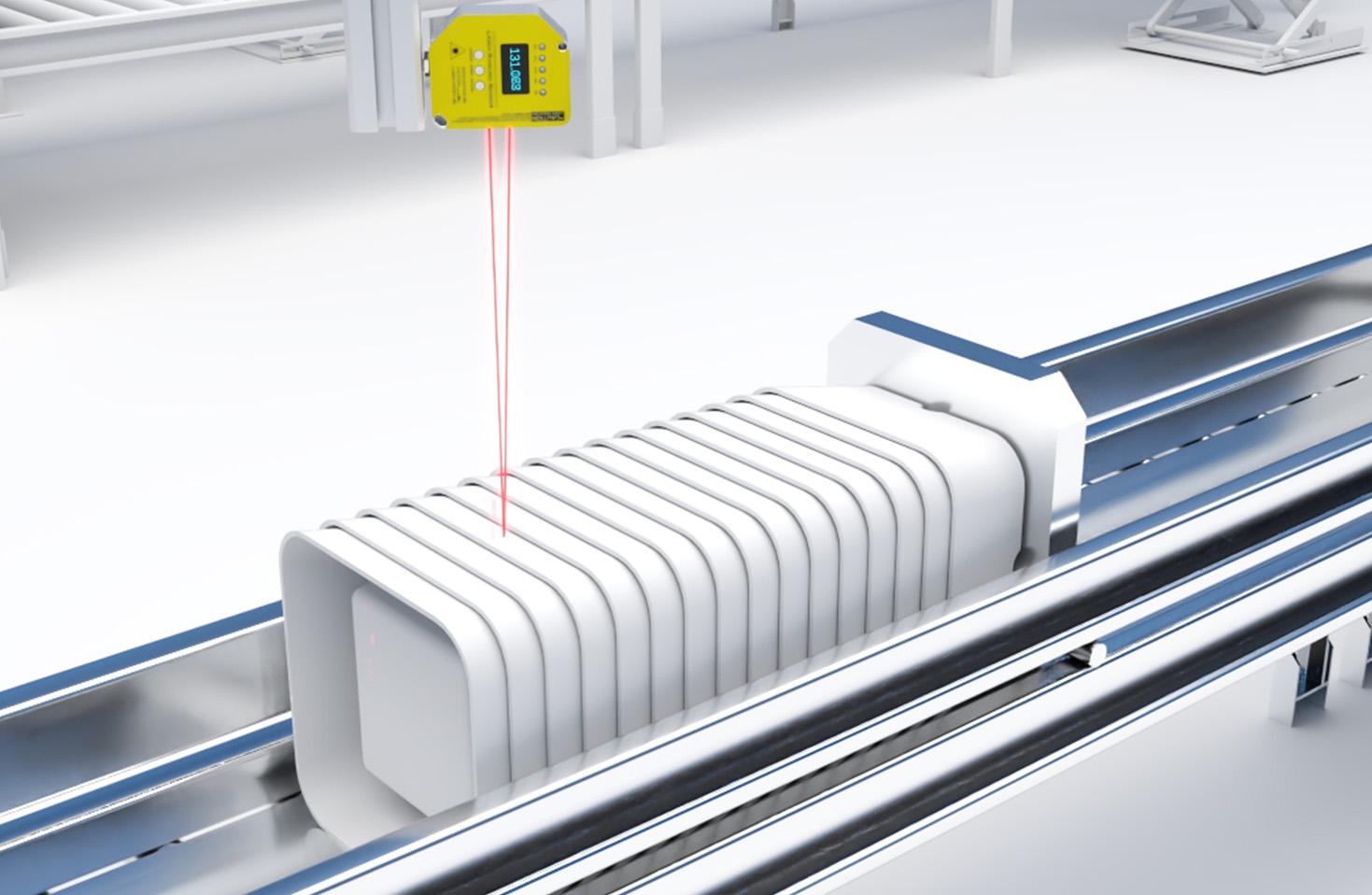
The fundamental principle of a laser sensor involves emitting a focused beam of coherent light from the laser head towards a target. The sensor then analyzes the interaction of this beam with the target. Common methodologies include triangulation, time-of-flight (ToF), and laser contrast measurement. In triangulation sensors, a laser diode in the head projects a spot onto the target. The reflected light is captured by a receiving lens at a known angle and focused onto a position-sensitive detector (PSD) or CMOS array. Displacement of the target causes the light spot to shift on the detector, allowing precise calculation of distance or height. This method excels in high-resolution, short-range applications. Time-of-flight sensors, conversely, measure the round-trip time for a laser pulse to travel to the target and back, calculating distance based on the speed of light. They are ideal for long-range measurements.
Several key types of laser sensors dominate industrial use. Laser distance sensors provide non-contact measurement of position, thickness, or vibration. Laser contrast sensors distinguish between surfaces based on color, reflectivity, or material, crucial for label detection or part sorting. Laser profile sensors, or line lasers, project a line instead of a dot, enabling 2D or 3D contour scanning for inspection tasks. Each type leverages specific laser head optics and detector configurations to achieve its purpose.

The advantages of laser sensors are manifold. They offer extremely high accuracy, often down to the micrometer level, and fast response times suitable for high-speed production lines. As non-contact devices, they eliminate mechanical wear and prevent damage to delicate objects. Their operation is largely unaffected by ambient electromagnetic interference, and many models are built with robust housings (IP67/IP68 ratings) for harsh environments involving dust, moisture, or temperature variations.
Industrial applications are vast. In manufacturing, laser sensors perform precise dimensional gauging of components, weld seam tracking, and robotic guidance. In electronics, they measure PCB warpage and component placement. Logistics and packaging rely on them for box dimensioning, fill-level control, and barcode reading. Furthermore, they are pivotal in quality control for detecting surface defects, scratches, or presence/absence checks.
Selecting the right laser sensor requires careful consideration of parameters such as measuring range, spot size, resolution, response frequency, and the target's material properties (color, reflectivity, texture). Environmental factors like ambient light, dust, and temperature must also be evaluated. Proper installation and alignment of the laser head are critical to ensure optimal performance and measurement stability. Regular maintenance, primarily lens cleaning and verification checks, is recommended to sustain long-term accuracy.
In conclusion, laser head sensor technology is a cornerstone of industrial automation and precision metrology. Its ability to deliver fast, accurate, and reliable non-contact measurements drives efficiency, quality, and innovation across countless sectors. As technology advances, we can anticipate sensors with even higher speeds, smarter embedded analytics, and greater robustness, further expanding their transformative role in Industry 4.0 and smart factory ecosystems.
